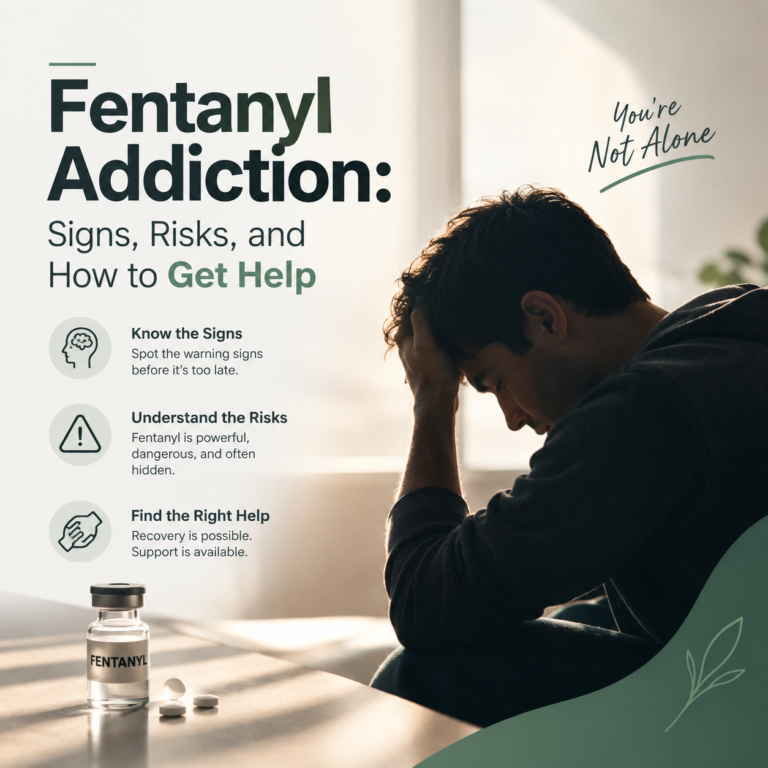

A residential relapse prevention plan is a personalized roadmap for staying sober after detox and after discharge from inpatient care. It matters because recovery rarely falls apart all at once, it usually starts with smaller shifts in stress, routine, mood, and thinking. In residential treatment, you have the time, support, and structure to build a plan that actually fits real life, not just the ideal version of it.
What a residential relapse prevention plan actually is
A residential relapse prevention plan is a written, practical guide created during inpatient treatment to help you maintain recovery when you return to everyday life. Think of it like a fire escape map for your sobriety. You do not make it because you expect disaster. You make it so you know exactly what to do if warning signs show up.
That distinction matters.
A weak plan says, “Avoid triggers and go to meetings.” A strong plan says what your triggers actually are, what early warning signs usually show up in your body and behavior, which coping skills work for you, who you contact first, how your medications fit in, and what happens if risk starts rising. It also covers mental health, daily structure, family dynamics, sleep, pain, work stress, and what you will do if you have a lapse.
This level of detail is not pessimistic. It is realistic. NIDA notes that relapse rates for substance use disorders are about 40% to 60%, similar to hypertension and asthma. That does not mean recovery is hopeless. It means addiction should be treated like a long-term health condition that needs a plan, follow-up, and adjustments over time.
Good news, this is easier than it sounds. The best plans are short enough to use in a hard moment, but specific enough to guide real action.
Why residential treatment gives this plan a stronger foundation
Residential care gives relapse prevention something many people have never had before: space. Space from dealers, drinking buddies, conflict-heavy homes, easy access to substances, and the constant noise that can keep the nervous system stuck on high alert. In that quieter setting, you can finally see patterns that were hard to spot when you were just trying to get through the day.
That structure is not just comforting, it is clinically useful. Daily schedules, therapy, group work, meals, medication monitoring, and consistent sleep all create a testing ground for recovery habits. Instead of talking about coping skills in theory, you get to practice them repeatedly. That repetition is what helps a plan stick.
Residential treatment also lets your clinical team observe what happens under stress. They may notice that your cravings spike after conflict, that you isolate when you feel ashamed, or that poor sleep makes everything harder by the next morning. Those details matter. They turn a generic plan into a precise one.
And that is the point: residential care is not the whole relapse prevention plan. It is the place where the plan gets built, refined, and pressure-tested before you go home. If you are comparing programs, it helps to know what strong inpatient treatment should include day to day, because the quality of that daily structure shapes the quality of the plan you leave with.
Why detox alone is usually not enough
Detox clears substances from your body. It does not automatically change the habits, stress loops, thought patterns, relationship dynamics, or untreated mental health issues that kept substance use going.
That is why detox-only care so often falls short. Withdrawal may end in days, but relapse risk is tied to what happens next. NIDA describes addiction as a chronic condition, and it emphasizes that relapse often means treatment needs to be resumed, adjusted, or changed, not that treatment failed.
That framing can be a relief, honestly. Shame makes people hide. A chronic-care mindset helps people re-engage.
Detox is a starting line. Residential treatment is where you build the muscles to stay in the race.
The three relapse stages you need to catch early
Relapse is usually described in three stages: emotional, mental, and physical. This model helps because it reminds you that substance use is the last step, not the first. By the time someone drinks or uses again, the process has often been building for days or weeks.
Seeing it this way changes how you respond. Instead of waiting for a crisis, you start treating early signs as meaningful.
Emotional relapse starts before substance use does
Emotional relapse is the stage where you are not actively thinking, “I want to use,” but your behaviors start moving you closer to risk. You may isolate, sleep poorly, skip meals, stop sharing honestly, get more irritable, or let your routine fall apart. Small shifts, but rarely random ones.
This is why families sometimes miss the danger. Nothing dramatic has happened yet. But from a clinical perspective, this stage matters a lot because emotional instability often comes first. NIDA points to stress cues, moods, and exposure to people, places, and things linked to past use as common triggers. Emotional relapse is often where those cues start taking hold.
A good plan names these warning signs clearly. Not “I get stressed.” More like: “I stop answering texts, stay up until 2 a.m., skip breakfast, and tell people I’m fine when I’m not.”
That kind of honesty protects recovery.
Mental relapse is the tug-of-war phase
Mental relapse is the internal battle. One part of you wants recovery. Another part starts bargaining.
This can look like cravings, romanticizing past use, minimizing consequences, thinking you can handle “just one,” or quietly putting yourself near opportunities to use. Secrecy often shows up here too. You may stop telling the truth about how strong cravings feel, or start holding back details because you do not want someone to interrupt the fantasy.
From the outside, family members may notice defensiveness, sudden mood swings, disappearing for long stretches, or a return to old stories that make past substance use sound fun instead of dangerous.
Here is where a personalized plan helps most. The right response is not just “try harder.” It is specific action, fast: change your location, call support, tell on the craving, use the body-based tools you practiced, and get more structure around you immediately.
Physical relapse is the action, not the whole story
Physical relapse is the actual return to substance use. It is the most visible stage, but it is not the whole story. Usually, the warning signs were there earlier.
That matters for two reasons. First, it means there are many points where intervention can work before use happens. Second, if a lapse does happen, the response should be immediate and organized, not dramatic and shaming.
A lapse should trigger a plan review, contact with your treatment team, and a quick decision about what level of care is needed next. It should also be treated as a safety event. NIDA warns that relapse after abstinence can be dangerous or even deadly because overdose risk rises when a person returns to using the amount they used before quitting.
So yes, physical relapse matters. But the better question is: what showed up before it, and how do we respond faster next time?
The pieces every effective plan should include
A residential relapse prevention plan should be specific enough to use under stress and simple enough to follow when your thinking is not at its best. This section is where many plans either become useful or become paperwork.
Personal triggers, high-risk people, places, and moods
Most people already know a few obvious triggers. The harder work is getting more specific. “Stress” is not enough. What kind of stress? A fight with your partner, being alone on weekends, payday, back pain, seeing old friends, feeling rejected, boredom after work, or celebrating something good?
Your plan should map both external triggers and internal states. External triggers are easier to spot: bars, certain neighborhoods, a specific contact in your phone, cash in hand, or access to a car late at night. Internal triggers are quieter: shame, anger, grief, exhaustion, loneliness, and overconfidence.
Good plans also include anniversaries, holidays, custody issues, legal stress, and physical pain. Those are common setup factors, and they are easy to underestimate.
Coping tools that work in the moment
Coping tools should match your actual patterns. A person who spirals when alone may need immediate contact and movement. A person whose cravings hit after conflict may need grounding, a script for leaving the argument, and a clear follow-up call.
Useful tools often include urge surfing, changing location, calling a support person, journaling for ten minutes, taking a walk, using a grounding exercise, or following clinician-approved crisis instructions. NIDA says behavioral therapies help people handle stressful situations and triggers, and can improve how well medications work.
The catch is, copied coping skills often fail. Your plan should not read like a worksheet from someone else’s treatment binder. It should reflect what actually helps your body and mind come down.
A daily routine that protects recovery
Routine is not boring. In early recovery, routine is protective.
Regular sleep, meals, medication, therapy attendance, movement, chores, connection, and downtime reduce chaos. And chaos is a major relapse risk. When people are sleep-deprived, underfed, isolated, and unstructured, cravings tend to hit harder and coping gets weaker. That is one reason sleep disturbance is common across substance use disorders and may predict relapse if it goes untreated.
Your routine does not need to be rigid. It does need anchors. Wake time, meal times, meetings or therapy, movement, and a sleep routine should be planned before discharge, not improvised afterward.
Accountability, support contacts, and emergency steps
In a high-risk moment, you should not have to decide everything from scratch. Your plan needs a contact order: first person, second person, third person. It needs a clear action for a craving spike, and a separate one for an actual lapse.
Keep it simple. Who do you call first? What do you say? When do you contact your therapist, sponsor, case manager, or physician? When does your family step in? When is urgent medical help needed?
Write it down. Save it in your phone. Keep a printed version in your wallet or by your bed. Under stress, fewer steps work better.
How to build a plan that fits your real relapse pattern
The best relapse prevention plans are not built from a textbook list. They are built from your history.
That means reviewing what has happened before without sugarcoating it. Not to punish yourself, but to look for repeatable patterns. Recovery gets stronger when you stop treating each lapse as random bad luck and start seeing the setup.
Look at what happened before past lapses or binges
Ask what tended to happen in the days before past use. Did you stop going to meetings? Pull away from people? Start sleeping less? Get into conflict? Feel physically worn down? Stop taking medication? Decide you were “fine now” and no longer needed structure?
Once the setup becomes clear, the prevention step should match it. If loneliness shows up first, your plan needs scheduled connection, not vague advice to stay busy. If overconfidence is the problem, your plan needs accountability and check-ins even when things are going well. If pain flare-ups raise risk, your plan has to include medical support and non-drug pain strategies.
This kind of pattern review is especially helpful in programs that use individualized treatment planning. It is one reason many families seek residential care with strong assessment and therapy integration, especially when mental health and substance use are tangled together.
Include co-occurring mental health, trauma, and stress load
A plan often fails because it targets substance use while ignoring the conditions driving it. Depression, anxiety, PTSD, grief, chronic stress, and trauma symptoms can all increase relapse risk if they are left untreated.
This is not a side issue. SAMHSA reports that about 21.2 million U.S. adults had both mental illness and substance use disorder. In other words, integrated care is not some niche add-on. For many people, it is the difference between a plan that works and one that collapses under pressure.
Trauma needs special attention here. If your body reads ordinary stress like danger, cravings can show up fast. That is why treatment environments that prioritize emotional safety, regulation skills, and trust tend to do better for people with trauma histories. It helps to understand why recovery planning changes when trauma is part of the picture.
Whole-person planning is not extra. For many people, it is the actual treatment.
Why nervous-system regulation deserves a place in the plan
Most relapse plans talk about triggers and support contacts. Fewer explain what stress does inside the body.
Here is the simple version: when your nervous system is stuck in high alert, your thinking gets narrower, cravings feel louder, and old coping habits become more automatic. You are not weak. Your body is primed for survival, not reflection.
That is why nervous-system regulation belongs in a residential relapse prevention plan. It helps create a pause between feeling overwhelmed and acting on it.
Simple body-based tools that can lower relapse risk
These tools are not replacements for therapy, medication, or peer support. They are add-ons that make those treatments easier to use.
Slow breathing is one of the easiest examples. A meta-analysis found that slow breathing improves vagally mediated heart rate variability, which is one marker tied to stress regulation. More recently, a 2025 randomized clinical trial found heart rate variability biofeedback was associated with lower negative affect, craving, and alcohol or other drug use.
Movement can help too. Walking, stretching, yoga, Tai Chi, and similar practices give the body a way to downshift. In opioid recovery, a 2026 randomized clinical trial reported that a brief yoga module improved autonomic regulation, anxiety, sleep, and pain during withdrawal recovery.
Those are promising findings because stress regulation is not abstract. It changes what is possible in the moment.
Turn these skills into a repeatable “calm-down” routine
The trick is not just knowing the skill. It is practicing it enough that you can use it when you are flooded.
A simple sequence might look like this: slow breathing for two minutes, leave the risky setting, text or call support, drink water, walk outside for ten minutes, then review your next step list. That whole routine may take less than fifteen minutes, but it can break the momentum of a craving wave.
Practice during calm periods too. That part gets overlooked. Skills learned only in crisis rarely stick. Skills repeated when you are steady become easier to access when you are not.
Good news, your calm-down routine does not have to be fancy. It just has to be repeatable.
Medication, therapy, and family support should work together
Relapse prevention is strongest when clinical supports line up. Medication, therapy, peer support, and family involvement should reinforce one another, not operate like separate systems.
Too often, people leave residential treatment with several good recommendations but no real integration. That is where plans break down.
When medication belongs in the relapse plan
Medication belongs in the plan any time it meaningfully lowers risk or supports stability. That includes medication for opioid or alcohol use disorder, psychiatric medication for depression, anxiety, bipolar disorder, or PTSD, and medication tied to sleep or other recovery-relevant symptoms.
This should all be written plainly. What do you take? What is it for? When do you take it? Who monitors it? What happens if you miss doses or side effects show up?
That is especially important because NIDA identifies medication as first-line treatment for opioid use disorder, typically alongside behavioral therapy. Medication should not sit off to the side like an optional detail. If it is part of your stability, it belongs in the relapse plan.
For people with both addiction and mental health needs, this coordination is even more important. Sometimes the right setting is one built specifically for treating substance use and psychiatric symptoms together.
Give family members a role that helps, not hurts
Family can be a major support, but only if their role is clear. Without guidance, loved ones often swing between over-monitoring and walking on eggshells.
A better role looks like this: learn the warning signs, attend family therapy when offered, stop using shame language, support routines, and know the emergency steps. Families do not need to become detectives. They need to become informed allies.
That means knowing what emotional relapse looks like, what to do if communication changes, and how to respond to a lapse without panic or punishment. Calm, direct, prepared support works better than lectures.
This is one reason strong residential programs involve family before discharge. Recovery lands better when the home system is not guessing.
Build the discharge bridge before you leave residential care
The handoff from residential treatment to regular life is where many good plans weaken. Not because the person is not serious, but because vague intentions do not survive real-world stress.
“Find a therapist soon” is not a discharge plan. “Outpatient intake Tuesday at 10 a.m., psychiatric follow-up Thursday, ride arranged, meds filled, meeting scheduled Friday night” is a discharge plan.
What should already be booked before discharge
The basics should be in place before you leave: outpatient therapy, medication follow-up, psychiatric care if needed, mutual-help meetings or recovery groups, sober housing if appropriate, transportation, and check-ins during the first few weeks.
That first stretch matters a lot. NIDA emphasizes that treatment should address the whole person, including medical, mental, social, occupational, family, and legal needs. In practice, that means discharge planning should cover more than counseling. Housing, work, legal stress, childcare, and insurance issues can all become relapse triggers if they are ignored.
This is also where families often need practical help. If cost is part of the stress, it helps to sort out how benefits and coverage work before the transition home.
Prepare for home, work, and community triggers
Do not wait to see what happens. Rehearse it.
What will you do if an old friend texts? If you come home to conflict? If payday hits and cash becomes a trigger? If work feels overwhelming on day three? If a custody problem or court date sends your stress through the roof?
The strongest plans use “if this happens, then I do this” thinking. If I see someone I used with, I leave and call support from the parking lot. If I get home and feel overwhelmed, I shower, eat, and call my evening check-in before making any plans. If work stress spikes, I contact my therapist and reduce exposure to overtime for a week.
Specific beats motivational every time.
How to measure whether the plan is really working
A plan is not working only because there has been no substance use. That is one outcome, and an important one, but it is not the only one.
Progress also shows up in sleep, mood, follow-through, daily functioning, housing, relationships, and honesty. In recovery care, those areas matter because they often improve before confidence does.
The signs your plan is holding
You may notice cravings becoming less frequent, or at least easier to interrupt. You may recover faster after stress instead of losing several days. You may show up for therapy consistently, take medication as prescribed, sleep more regularly, and communicate more honestly with family or support people.
Those are real markers of progress. NAATP describes treatment outcomes as measurable changes in health, functioning, and well-being, including physical and mental health, housing and employment stability, family reconnection, legal stability, and increased recovery capital. That broader view matters because recovery is bigger than abstinence alone.
And honestly, that broader view can keep people from missing their own progress.
When to update the plan instead of starting over
A good plan should be reviewed, not treated as fixed forever. Rising cravings, skipped appointments, relationship breakdown, new trauma symptoms, unstable housing, job stress, medication problems, or a lapse all call for a plan update.
That is not backtracking. It is how long-term recovery works.
NIDA is clear that relapse often signals a need to resume, modify, or change treatment. So if the plan stops fitting your life, change the plan. Add more structure. Increase therapy. Revisit medication. Bring family back into sessions. Return to a higher level of care if needed.
The goal is not pride. The goal is staying alive and moving forward.
A simple template readers can use with their treatment team
A useful plan should fit on a page or two. If it gets too long, people stop using it when stress hits. Keep it clear, visible, and easy to review with your treatment team.
The seven-part relapse prevention template
Use these seven fields:
| Part | What to write |
|---|---|
| Warning signs | Your earliest emotional and behavioral changes |
| Triggers | Specific people, places, moods, events, and access points |
| Top coping skills | 3 to 5 actions that work in real time |
| Daily routine | Sleep, meals, movement, meetings, therapy, medication |
| Support contacts | Who you call first, second, and third |
| Medication and therapy plan | What you take, appointments, monitoring, follow-up |
| Emergency steps | What to do after a lapse, overdose risk, urgent contacts |
That is enough for most people. Short, practical, and usable.
You can also add one line under each section for “what usually makes this worse” and “what helps fastest.” Those little notes are gold in a hard moment.
One example of a plan in action
Picture someone leaving residential care after detox and a month of inpatient treatment. The first risky point is a lonely Saturday evening. In the past, loneliness mixed with boredom and easy access to a car led to drinking.
So the warning signs section says: sleeping late, not answering texts, skipping dinner, thinking “I deserve a break,” and feeling resentful about having to stay sober. The trigger section lists being alone after 6 p.m., passing a certain liquor store, and getting paid on Fridays.
The coping section says: eat before 6 p.m., go for a 20-minute walk, do four minutes of slow breathing, text two support people, and attend the 7 p.m. meeting already selected before discharge. The routine section blocks out the day so the risky hours are not empty. The support section lists one peer, one family member, and one clinician. The emergency section says that if alcohol is purchased or consumed, the person immediately calls the first contact, does not drive, and contacts the treatment team for same-day guidance.
Notice what makes this work. It is not inspiring language. It is precision.
What makes a relapse prevention plan stick over time
A residential relapse prevention plan sticks when it is personal, practiced, and revisited. Personal means it matches your real triggers, not generic ones. Practiced means you rehearse the coping steps before a crisis hits. Revisited means you update it as life changes, because recovery changes too.
That is the real strength of residential care. It gives you an immersive, structured place to build these habits with therapy, accountability, emotional safety, and support around you. Before discharge, review the plan with your treatment team, make sure every next appointment is booked, and keep the final version somewhere you can reach in seconds. The plan does not need to be perfect. It needs to be real, usable, and ready when you need it.