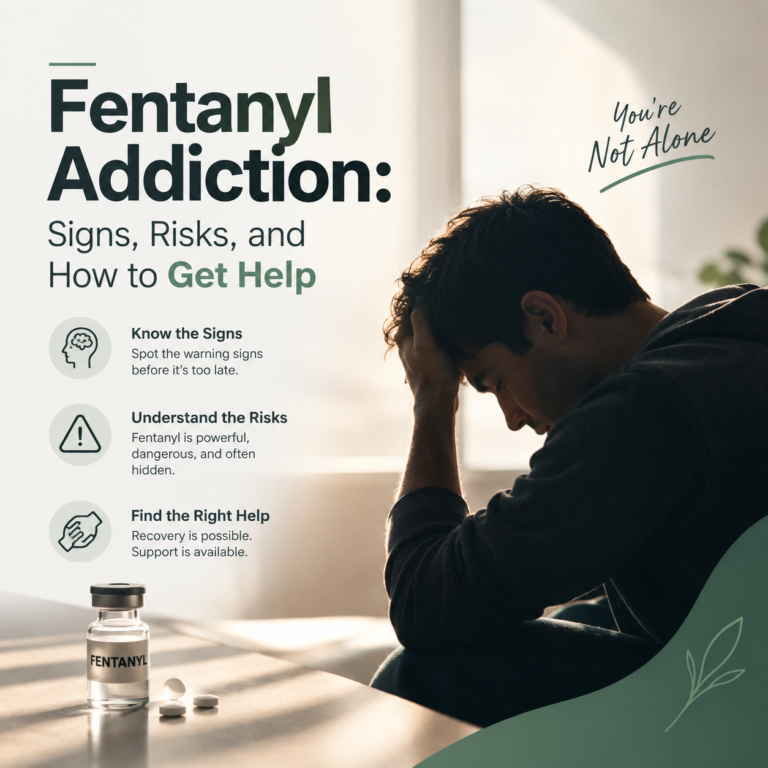

A co occurring disorder recovery program treats a mental health condition and a substance use disorder at the same time. That matters because these issues often feed each other, and you are far from alone: 7.7 million U.S. adults have both mental and substance use disorders. The right program does more than help you stop using. It helps you get steadier, safer, and more able to stay well.
What a co-occurring disorder recovery program actually means
A co-occurring disorder recovery program, sometimes called dual diagnosis treatment, is built for people dealing with two conditions at once, such as alcohol use and depression, opioid use and PTSD, or stimulant use and bipolar disorder. In plain language, it means your care team does not treat your addiction as one problem and your mental health as a separate problem to deal with later. They treat both as part of the same recovery plan.
That approach matches how these conditions show up in real life. Anxiety can drive drinking. Heavy drinking can deepen anxiety. Trauma symptoms can lead someone to use drugs to sleep or shut down intrusive memories. Then the substance use can make mood swings, panic, sleep problems, or paranoia worse. If treatment ignores half the picture, relapse becomes much more likely.
Federal guidance is clear here. SAMHSA defines co-occurring disorders as having both a mental illness and a substance use disorder, and it frames recovery from both as part of overall health and wellness. That is the right way to think about it. Recovery is not just about removing a substance. It is about building a life your nervous system can actually live in.
Why treating both issues together matters from day one
The biggest takeaway is simple: if addiction treatment starts without addressing mental health, the plan is already incomplete.
SAMHSA says integrating screening and treatment for mental and substance use disorders improves quality of care and health outcomes. That makes sense. If panic attacks, severe depression, trauma triggers, or manic symptoms are left untreated, substances often remain the fastest, most familiar way to cope. A person may stop using for a few days or weeks, then return to it because the original distress is still there.
Think of it like trying to fix a house with both a roof leak and mold by painting over the wall. The surface may look better for a moment, but the real damage keeps spreading underneath. Good news, though, this is exactly what integrated treatment is designed to prevent.
Why these conditions often show up together
Co-occurring disorders are common because the brain and body do not keep mental health and substance use in neat boxes. Stress, trauma, genetics, sleep disruption, chronic pain, and isolation can affect both. Sometimes mental health symptoms come first and a person starts using substances to cope. Sometimes heavy substance use changes mood, thinking, and sleep so much that it triggers or worsens psychiatric symptoms. Often, both are true over time.
This overlap is not a character flaw. It is a pattern clinicians see every day. SAMHSA notes that many adults have both a mental illness and a substance use disorder, which is one reason integrated care is considered the preferred approach.
Common patterns people experience
A very common pattern is depression and alcohol use. Someone feels flat, isolated, and exhausted, drinks to numb out at night, then wakes up more depressed, more ashamed, and less able to function. The drinking becomes both a temporary escape and a long-term amplifier.
Another pattern is PTSD and opioid misuse. Trauma can leave the body in constant alarm, with flashbacks, nightmares, and physical pain. Opioids may seem to quiet that alarm for a while. The catch is that dependence can develop quickly, and untreated trauma keeps pushing the cycle forward. If that sounds familiar, it helps to understand why trauma-focused support inside addiction treatment can make recovery feel more stable.
Anxiety and benzodiazepine misuse often overlap too. Medication may begin as prescribed or occasional, then become something a person feels unable to function without. And with bipolar disorder, stimulant, alcohol, or cannabis use can make mood episodes harder to manage, not easier. People often chase relief and end up with more volatility.
Why co-occurring disorders can be harder to treat in standard programs
People with both conditions usually need more than a standard addiction track or a standard outpatient therapy setup. Not because they are harder to help, but because the clinical picture is more complex.
Research backs that up. A 2025 rapid review found a pooled risk ratio of 1.71 for poor behavioral outcomes in people with concurrent disorders compared with those who had a single disorder. The same review reported that people with concurrent disorders were about twice as likely to experience relapse, emergency department visits, rehospitalization, and death when care was not integrated.
That is why a program that says, in effect, “fix the addiction first, then we’ll deal with the depression or trauma later,” often misses the mark. SAMHSA also reports that people with co-occurring disorders are more likely to be hospitalized than people with either condition alone. The stakes are real, and the treatment model should reflect that.
The features that matter most in a strong recovery program
A strong program does not just offer many services. It connects them in a way that makes sense for your actual life. The difference is not cosmetic. Plenty of programs use words like whole-person or individualized. What matters is whether they can show how mental health care, addiction treatment, medication support, and practical help work together.
Screening for mental health and substance use at the same time
Good treatment starts with a full picture. Intake should ask about substance use, mental health symptoms, trauma history, medications, withdrawal risk, safety concerns, sleep, physical health, and daily functioning right away. Not one part now and the other part weeks later.
SAMHSA’s “no wrong door” policy says people entering treatment for one condition should routinely be screened for the other. That matters because people do not always know what is driving what. Someone may say, “I just need help with drinking,” while also dealing with untreated panic disorder. Another person may seek therapy for depression but be using cocaine every weekend in a way that is destabilizing everything.
A real co-occurring program expects that overlap from day one.
One treatment plan, one team, one shared goal
This is where integrated care becomes more than a buzzword. In practice, it means therapists, prescribers, case managers, and addiction counselors communicate regularly. You are not stuck repeating your story to five different people who never compare notes. There is one plan, one set of priorities, and one shared goal: better functioning and safer recovery.
SAMHSA identifies coordinated, co-located, and fully integrated models of care. Coordinated care means separate providers stay in contact. Co-located care means services may be in the same place, which helps, but can still feel divided. Fully integrated care is the most complete model because the team works from a shared framework instead of parallel tracks.
If you want a deeper look at what that setup should feel like in real treatment, it helps to read about how combined mental health and addiction services work. The details matter more than the label.
Care that matches your symptoms, risks, and stage of recovery
No one-size-fits-all plan works here, and SAMHSA explicitly says there is no one-size-fits-all solution in recovery. A helpful program adjusts care based on the diagnosis, relapse history, trauma exposure, medication needs, medical issues, housing stability, motivation, and safety concerns.
That may mean more psychiatric oversight early on if symptoms are severe. It may mean trauma therapy later, once withdrawal and immediate safety are more stable. It may mean harm reduction goals at first for someone not ready for full abstinence. Honestly, flexibility is not a bonus feature here. It is part of competent care.
What treatment usually includes, and what each part helps with
Most effective programs combine several types of support. That is not overkill. It is what gives recovery a better chance to hold when stress hits.
Therapy that addresses both substance use and mental health
Therapy usually includes a mix of approaches rather than one single method. Cognitive behavioral therapy, or CBT, helps identify thoughts, feelings, and behaviors that keep cycles going. Motivational interviewing helps people work through ambivalence, which is common and normal. Trauma-informed therapy reduces the chance that treatment itself feels shaming or overwhelming. Relapse prevention teaches people to recognize triggers, build coping plans, and recover faster from slips.
The evidence on CBT-based approaches is encouraging, though not magical. A 2025 meta-analysis reviewed 47 randomized trials, 101 publications, and 912 effect sizes. It found that CBT-based interventions helped with substance consumption outcomes compared with control treatment, but results for psychosocial outcomes were not consistently stronger, and benefits varied by condition. That is a useful reality check. Therapy helps, but it works best as part of an integrated plan, not as the only tool.
For many people, specific symptom patterns need focused attention. Someone dealing with panic and substance use may benefit from care that addresses both anxiety symptoms and addictive behavior together, rather than trying to untangle them separately.
Medication management and psychiatric support
Medication can play a major role in co-occurring recovery, especially when symptoms are severe, recurring, or biologically driven. That might include antidepressants for depression, mood stabilizers for bipolar disorder, medication for anxiety in carefully selected cases, or medications for opioid or alcohol use disorder.
The point is not to medicate every feeling. The point is to use psychiatric support thoughtfully, with close monitoring, so symptoms do not keep pushing someone back toward substance use. SAMHSA says effective treatment can include medications, counseling, and recovery supports as part of whole-person care. It also advises providers to encourage evidence-based treatment, including medication-based treatments.
This piece often gets overlooked in weaker programs. If a center treats addiction but has limited psychiatric care, people with major depression, bipolar disorder, or PTSD may leave without enough stability to maintain progress. A closer look at what ongoing medication support should include can help you see whether a program is prepared for that reality.
Peer support, family support, and recovery coaching
Formal treatment hours are only part of recovery. What happens between sessions matters just as much.
Peer support can reduce isolation and give you contact with people who understand recovery from the inside. Family education can help loved ones stop reacting in ways that accidentally worsen the cycle. Recovery coaching can bridge the gap between appointments, helping with routines, transportation, motivation, and accountability.
SAMHSA says effective treatment can include medications, recovery housing, peer support, and mutual-support meetings. That variety matters because support should match the person, not force everyone into one lens. Some people need more clinical structure. Others need steadier community support to keep gains going.
The practical supports that often decide whether treatment works
A program can be clinically excellent and still fail people if it ignores real-life barriers. This part is easy to underestimate until it becomes the reason someone drops out.
Help with cost, insurance, and finding the right level of care
Access problems are not side issues. They are treatment issues. More than half of adults with co-occurring disorders who needed mental health treatment said they could not afford care, and 23.8% did not know where to go. On the substance use side, 35.1% said they had no insurance and could not afford treatment.
A helpful program explains levels of care in plain English. Outpatient means you live at home and attend sessions during the week. Intensive outpatient offers more hours and structure. Residential treatment gives you a full-time recovery setting. Medication-supported care adds treatment for cravings, withdrawal, or relapse prevention when appropriate.
If a program cannot clearly explain what level fits your needs and why, that is a problem.
Transportation, housing, work, and legal coordination
Recovery gets shaky fast when someone cannot get to appointments, does not know where they will sleep next week, is juggling court requirements, or fears losing a job by seeking help. These are not distractions from treatment. They are often the conditions that determine whether treatment can stick.
SAMHSA says integrated treatment can improve housing stability and reduce arrests and hospitalization. That is one reason strong programs often include case management, discharge planning, employer documentation when needed, and coordination with outside systems. Whole-person care sounds broad, but in practice it often means solving very concrete problems.
Stigma reduction and a plan that feels safe to stick with
Many people wait to get help because they are ashamed, afraid of judgment, worried about privacy, or convinced they should be able to handle it alone. Those fears are common, and they are powerful. Shatterproof reports that stigma and concerns about neighbors’ opinions, job impact, confidentiality, and whether treatment would help all reduce treatment uptake.
Programs that keep people engaged usually do a few things well. They use respectful language. They explain what will happen next. They treat relapse as information, not moral failure. They make room for fear without letting fear run the plan. Good news, that kind of care tends to feel calmer and more doable from the very first contact.
How to tell if a program is truly integrated, not just advertised that way
Plenty of programs say they treat co-occurring disorders. Fewer actually build care around that promise.
Questions to ask before you enroll
Ask whether you will be screened for both mental health symptoms and substance use at intake. Ask who manages psychiatric medications and how often medication visits happen. Ask how therapists, prescribers, and addiction counselors communicate with each other. Ask what the program does after relapse or symptom flare-ups. Ask what family education, peer support, and discharge planning look like.
You are not being difficult by asking these things. You are checking whether the program can deliver the kind of care your situation actually requires. If you are comparing options, it can also help to review the signs of a center built for both conditions.
Signs a program may not meet your needs
Some red flags are easy to miss at first. If there is no psychiatric staff, that is a problem. If medications for mental health or substance use are dismissed out of hand, that is a problem. If the program tells you to get sober first and only then address trauma, depression, or bipolar symptoms, that is a problem too.
Poor discharge planning is another warning sign. Recovery does not end when a program ends. You should leave with follow-up appointments, medication planning, support options, and a clear idea of what to do if symptoms worsen.
What recovery can look like over time
Recovery from co-occurring disorders is usually not neat or linear. Progress often comes in waves. One month may bring fewer cravings but more anxiety. Another may bring steadier mood but a relapse scare. That does not mean treatment is failing. It often means the plan needs adjustment.
SAMHSA says early detection and integrated treatment can improve quality of life through reduced substance use, better psychiatric symptoms and functioning, fewer hospitalizations, greater housing stability, and fewer arrests. Notice what is in that list. Not perfection. Improvement.
Early wins that matter more than people think
Sleeping through the night more often matters. Showing up to appointments matters. Cutting down use matters. Taking medication consistently matters. Having fewer panic episodes matters. So does eating regularly, answering texts, or making it through a stressful day without reaching for the usual escape.
These changes can look small from the outside, but they are often the first signs that your system is becoming more stable. Good news, small gains tend to compound. They create enough breathing room for bigger recovery work later.
When stepping up care is a smart move, not a failure
Sometimes the current level of support stops being enough. Maybe symptoms are getting worse. Maybe relapse keeps happening. Maybe housing is unstable, safety is at risk, or medications need closer monitoring. In those moments, stepping up care is not a collapse. It is a course correction.
The best programs expect this possibility and plan for it. They adjust rather than shame. That mindset matters because people recover more steadily when treatment can change with them.
How to take the next step if you need help now
If you need a co occurring disorder recovery program, the next step is not to prove how bad things are. It is to get an assessment that looks at both mental health and substance use together. You can start with a primary care clinician, a local behavioral health center, or SAMHSA’s treatment resources. If you feel unsafe, are at risk of overdose, or might harm yourself, emergency care is the right move now.
The short version is this: treating addiction without treating mental health leaves too much untouched. Integrated care is not optional for dual diagnosis, it is the model most likely to reduce relapse, stabilize symptoms, and make recovery last. A program that screens carefully, coordinates psychiatric and addiction care, and helps with real-life barriers gives you a much better shot at getting your footing back.