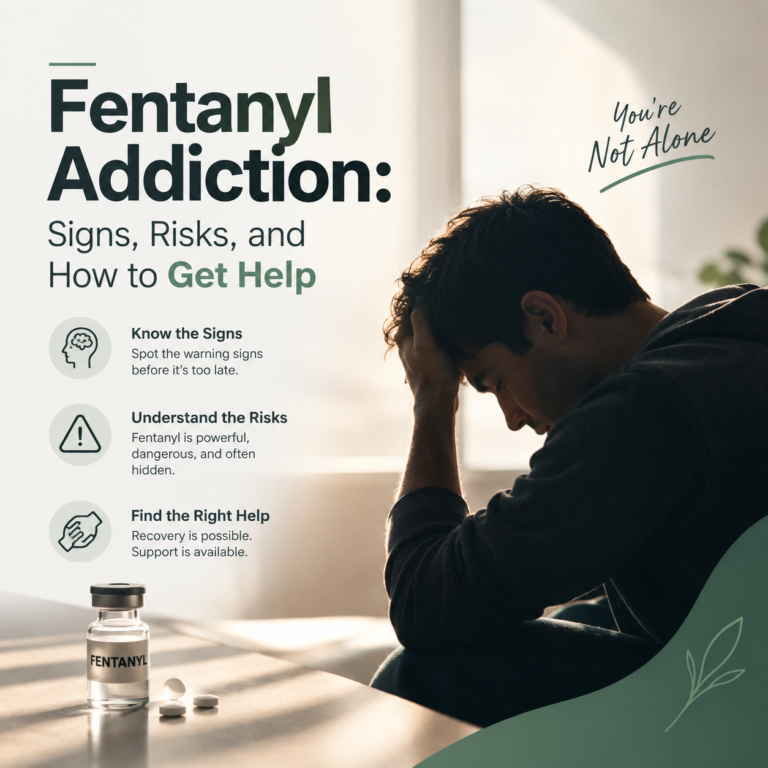

A co occurring disorder rehab facility is a treatment program built for people facing addiction and a mental health condition at the same time. That matters more than many families expect, because these problems rarely stay in separate lanes, and the right residential rehab can stabilize both in one structured setting after detox.
What a co-occurring disorder rehab facility actually treats
A co-occurring disorder rehab facility treats two connected problems together: a substance use disorder and a mental health disorder. You may also hear this called dual diagnosis. In practice, both terms usually point to the same idea, one treatment setting addressing both addiction and psychiatric symptoms instead of bouncing a person between separate systems.
This level of care often becomes the next step after detox. Detox helps the body clear substances and manage withdrawal safely, but it does not resolve depression, trauma, panic, mood swings, psychosis, or the habits that keep substance use going. For many people, especially those with repeated relapse or unstable symptoms, residential treatment is where real recovery work starts.
Think of it like treating a house fire and a gas leak at the same time. If you only spray the flames but ignore the leak, the danger is still there. Addiction and mental health symptoms can work the same way. One can trigger the other, hide the other, or make the other much worse.
Why this matters more than many families realize
The overlap is common. NIDA reports that 35% of U.S. adults with another mental disorder also have a substance use disorder. That is not a fringe situation. It is a major part of modern behavioral health care.
The stakes are high, too. People with co-occurring disorders are more likely to be hospitalized than people with either condition alone. When only one side gets treated, families often see the same painful cycle: detox, short-term improvement, emotional crash, relapse, crisis, repeat. Good news, there is a better approach, and it starts with integrated rehab rather than split care.
Why integrated rehab works better than treating each problem separately
Integrated care means one team, or one tightly coordinated plan, treats addiction and mental health together. That might sound obvious, but not every program does it well. Some rehabs focus almost entirely on substance use and refer psychiatric care elsewhere. Some mental health programs are not equipped to manage active addiction. The result is fragmented care, and fragmented care tends to miss the way these disorders interact day to day.
SAMHSA is clear on this point: combining screening and treatment for both conditions improves quality of care and health outcomes by treating the whole person. NIDA’s guidance lines up with that. Treating both conditions at the same time is generally the standard worth aiming for.
Residential treatment has a real advantage here. In an immersive setting, your schedule, therapy, medication support, sleep routine, and emotional environment can all be shaped around recovery. That kind of consistency is hard to recreate at home, especially if home is full of stress, conflict, easy access to substances, or constant reminders of old patterns. If you want a deeper look at how this model functions in practice, it helps to understand what integrated residential care really looks like day to day.
The three care models you may see
SAMHSA describes three care delivery models for co-occurring treatment: coordinated, co-located, and fully integrated. The differences matter.
Coordinated care means separate providers share information and refer back and forth. This can help, but it often depends on how organized everyone is. If communication slips, the patient feels it first.
Co-located care means mental health and addiction services exist in the same building or organization. That is better than a scattered system, though it still does not guarantee one unified plan.
Fully integrated care is usually the strongest fit for rehab. One team works from the same chart, same goals, and same understanding of what is driving symptoms. For residential treatment, that often means smoother medication decisions, faster adjustments, and less confusion for the patient and family.
What better outcomes can look like
A strong program does not define success as “stopped using for a few weeks.” That is too narrow. SAMHSA reports that integrated treatment and early detection can reduce substance use, improve psychiatric symptoms and functioning, and increase the chance of recovery for both disorders. It also links integrated care with better quality of life, fewer hospitalizations, reduced medication interactions, increased housing stability, and fewer arrests.
That broader view matters. Recovery is not just abstinence. It is sleeping through the night, thinking clearly, keeping a job, feeling safe in your body, rebuilding trust, and being able to handle stress without collapsing into crisis.
Which mental health conditions are commonly treated alongside addiction
The most common co-occurring conditions include anxiety disorders, depression, PTSD, psychosis-related disorders, and some personality disorders. SAMHSA also lists bipolar disorder, schizophrenia, major depressive disorder, and ADHD among the mental health conditions often seen in co-occurring treatment settings, while NIDA highlights anxiety, depression, PTSD, psychosis-related disorders, and borderline or antisocial personality disorders.
For families, the takeaway is simple: you do not need to self-diagnose perfectly to know specialized rehab may be necessary. If substance use keeps showing up alongside panic, hopelessness, trauma symptoms, emotional volatility, paranoia, or severe mood swings, that is enough to ask for dual-diagnosis capable care.
Sometimes the signs are subtle. A person may look like they “just drink too much,” but alcohol may be covering relentless social anxiety. Someone using stimulants may seem highly driven, when in reality they are trying to push through untreated depression or ADHD. Another person may keep relapsing because untreated trauma makes sobriety feel emotionally unbearable. Here’s the thing, the patterns matter more than the label on day one.
When trauma, chronic pain, or stress are part of the picture
Trauma shows up often in addiction treatment, and not by accident. NIDA cites research estimating that more than 30% of adults with substance use disorder have a history of childhood trauma. Trauma can change how a person responds to stress, relationships, sleep, and physical sensations. Substances may become a form of relief, even when they create bigger damage later.
Chronic pain is another major overlap, especially with opioid use. NIDA notes that almost half of people with opioid use disorder also experience chronic pain. That means a facility cannot just say “stop the drug” and call it treatment. Pain, sleep, fear, physical conditioning, and mental health all need a plan.
Chronic stress matters, too. Financial pressure, unsafe housing, grief, legal trouble, or family instability can intensify both psychiatric symptoms and cravings. This is why trauma-aware care is not a nice extra. It is often part of competent treatment, especially if recovery has to feel emotionally safe before it can feel sustainable. Many families benefit from learning why therapy built around trauma recovery can change treatment outcomes.
How co-occurring disorders are diagnosed in rehab
Diagnosis in rehab usually starts with a full intake and keeps evolving from there. A strong facility will look at psychiatric symptoms, substance use history, medical status, trauma exposure, current medications, family history, and immediate safety risks such as suicidality or self-harm. That is a lot, but it needs to be. Quick labels can miss the real picture.
A good assessment often includes a psychiatric evaluation, addiction history, medical review, trauma screening, medication review, and risk assessment. Some programs also monitor sleep, appetite, cognition, and symptom severity over time, because the first few days after detox can be noisy. The brain and body are still settling.
This is one reason residential rehab can be so effective. Clinicians can observe what happens across several days or weeks in a stable environment, rather than trying to make a permanent conclusion from one rushed outpatient visit.
Why diagnosis is often more complicated than it sounds
Symptoms overlap all the time. Anxiety can come from panic disorder, stimulant use, alcohol withdrawal, trauma, or all of them at once. Depressed mood can reflect major depression, post-acute withdrawal, grief, bipolar disorder, or simple exhaustion after years of chaos. Suspicious thinking may come from psychosis, sleep deprivation, trauma, or methamphetamine use.
That is why a serious rehab team keeps reassessing. They do not freeze the whole treatment plan based on what somebody looks like in the first 24 hours. Good news, this is easier than it sounds when a person is in a structured setting with daily observation, clinical meetings, and medication follow-up.
Signs a facility takes diagnosis seriously
There are practical signs worth watching for. A quality program should follow SAMHSA’s “no wrong door” approach, which calls for routine cross-screening so people entering care are checked for both mental health and substance use disorders. That is the baseline, not a bonus.
You should also expect licensed mental health professionals on site, psychiatric providers who can evaluate and prescribe, ongoing symptom tracking, and treatment plans that change as new information appears. Programs that rely on one-size-fits-all schedules without meaningful reassessment usually miss complexity. If you are comparing options, this is one of the clearest differences between marketing language and actual clinical depth. It also helps to know what separates a well-built inpatient program from a generic rehab stay.
What treatment inside a co-occurring disorder rehab facility usually includes
Inside residential rehab, treatment should blend daily structure, therapy, psychiatric care, medication support, skills practice, and close monitoring. The environment matters almost as much as the therapy itself. Being removed from drugs, alcohol, unstable routines, and high-risk relationships creates room for the nervous system to settle. Then the deeper work can begin.
Most people do better when recovery is not left to willpower alone. A residential setting provides repetition, accountability, and emotional safety. Wake-up times are consistent. Meals are regular. Therapy is built into the day. Medication is monitored. Staff can notice changes early, before they turn into a crisis.
That structure may feel unfamiliar at first, but honestly, it is often a relief. Many people arrive exhausted from trying to manage overwhelming symptoms in a chaotic environment.
Therapy that addresses both substance use and mental health
Evidence-based therapy is the backbone of treatment. CBT, or cognitive behavioral therapy, helps you notice the thought patterns that drive cravings, shame, avoidance, or self-destructive behavior. DBT, or dialectical behavior therapy, focuses more on emotion regulation, distress tolerance, and relationship stability, which can be especially helpful for people who feel everything intensely.
Motivational interviewing helps people move from ambivalence to commitment. That matters because many patients enter treatment wanting relief, but not yet trusting recovery. Trauma-informed therapy helps process painful experiences without overwhelming the person. Group therapy reduces isolation, builds honesty, and gives patients live practice with communication and accountability. Family therapy can repair misunderstandings and teach loved ones how to support recovery without enabling old patterns.
The best programs do not treat these therapies like separate boxes to check. They weave them together into one plan, often alongside a strong relapse prevention strategy that continues after discharge.
Medication management and psychiatric support
Medication support can be a real stabilizer when it is handled carefully. Some facilities provide medications for addiction treatment, including MOUD for opioid use disorder, alongside medications for depression, anxiety, PTSD, bipolar disorder, or sleep problems. The goal is not to medicate every feeling. It is to reduce suffering, lower risk, and create enough stability for therapy to work.
Coordination matters here. SAMHSA warns that combining some medications used for substance use disorders with anxiety medications such as benzodiazepines can have serious adverse effects. That is why psychiatric review, medication reconciliation, and close monitoring are such a big part of good rehab.
A serious co-occurring program should be able to explain why a medication is being used, what it is expected to help, what side effects to watch for, and how it fits the broader treatment plan.
Whole-person supports that often make recovery stick
Whole-person care is not fluff. It is often what helps progress hold. Sleep support matters because poor sleep worsens mood, anxiety, cravings, and impulse control. Nutrition matters because blood sugar swings, dehydration, and malnourishment can mimic or intensify psychiatric symptoms. Physical health care matters because pain, illness, and untreated medical conditions can destabilize recovery fast.
Life-skills work matters, too. Patients may need help with boundaries, routine building, work readiness, communication, or practical planning for home. Family restoration can also be part of whole-person healing, because addiction rarely affects one person alone.
What daily life in residential dual diagnosis rehab can look like
Most residential dual diagnosis rehab programs run on a steady schedule. Mornings may begin with medication check-ins, breakfast, and a therapy group. Midday often includes individual counseling, psychoeducation, psychiatric appointments, or skills-based sessions. Afternoons may add family work, relapse prevention, wellness activities, or process groups. Evenings usually slow down with reflection, journaling, peer connection, or quiet time.
That rhythm is not just about filling hours. It creates predictability, and predictability helps calm a stressed brain. People who have lived in crisis mode often need time to remember what safe routine feels like.
There is also a practical benefit. Staff can observe patterns across the day, not just during one therapy hour. They can notice if medications are helping, if sleep is getting worse, if group participation is improving, or if trauma triggers are showing up at certain times. That kind of close feedback loop is one reason residential care can move recovery forward faster than scattered outpatient treatment after detox.
Who tends to benefit most from this level of care
Residential treatment is often the right fit when someone has repeated relapse, unstable psychiatric symptoms, an unsafe or triggering home environment, or serious difficulty functioning after detox. It also makes sense when medication changes need close monitoring, when suicidality or self-harm risk is part of the picture, or when a person simply cannot stabilize while living in the same environment that keeps pulling them backward.
This does not mean everyone needs inpatient care forever. It means some people need a protected runway to get off the ground. For individuals and families weighing options, learning how to compare residential programs beyond the brochure language can make the choice much clearer.
How to tell if a facility is truly equipped for co-occurring disorders
Many programs say they treat mental health. Far fewer are built to handle complex co-occurring conditions in depth. The difference usually shows up in staffing, assessment quality, medication support, and how clearly the program can explain its model.
A real co-occurring disorder rehab facility should have integrated treatment planning, not addiction counseling on one side and vague mental health support on the other. You want evidence-based therapies, psychiatric involvement, trauma-aware care, family engagement when appropriate, and a clear step-down plan.
Questions to ask before you enroll
These questions are worth asking directly, and the answers should be clear:
- Do you screen for both mental health and substance use at intake?
- Are psychiatric providers on site, and how often do patients see them?
- How do you handle trauma in treatment?
- What medications do you support for addiction and mental health?
- How do you measure progress during treatment?
- How do you plan for discharge and follow-up care?
A strong program will answer without getting slippery or defensive. If a facility gives broad promises but few specifics, pay attention.
Green flags that point to stronger care
Green flags include integrated treatment plans, licensed mental health clinicians, regular psychiatric review, evidence-based therapies, family involvement, and clear coordination after discharge. Another strong sign is measurement-based care. Facilities that track symptom changes, treatment engagement, and functional outcomes are usually more serious about results.
That matters because good follow-up is not guesswork. The Kentucky Treatment Outcome Study tracks outcomes across substance use, mental health status, criminal justice involvement, employment, and recovery supports. That broader measurement model is a smart way to think about rehab quality. A person can be sober for a short period and still be doing terribly. Better programs know that, and they measure more than abstinence.
Red flags families should not ignore
Red flags include vague claims, no psychiatric staff, no medication support, detox-only framing, and treatment plans that sound identical for everyone. Be careful with facilities that cannot explain how they diagnose co-occurring disorders, how they handle trauma safely, or what happens after discharge.
No plan for continuity is another warning sign. Rehab should not end with “good luck.” It should lead somewhere specific.
Paying for care, access challenges, and why wait times happen
Choosing treatment is not just a clinical decision. It is also a real-world access problem. The U.S. behavioral health system is large, but it is also fragmented. IBISWorld says the mental health and substance abuse centers industry reached an estimated $33.2 billion after 5.1% annualized growth over the past five years, yet it also notes the field is highly fragmented, with no company holding more than 5% market share. In plain English, there are many providers, but quality and specialization vary a lot.
Demand is high, and staffing is tight. IBISWorld reported in 2026 that the industry is dealing with increased demand for inpatient mental health care and significant labor shortages, causing longer wait times and overburdened staff. So if a strong facility has a wait list, that is frustrating, but not unusual.
Insurance, benefits, and practical cost questions
Families should verify the basics early: whether the facility is in-network, whether preauthorization is required, what medications are covered, whether family therapy is included, and what step-down levels of care are available afterward. You also want to ask about deductibles, out-of-pocket maximums, professional fees, and what happens if the recommended length of stay changes.
There are multiple payment pathways. One industry review found that 90.4% of U.S. substance abuse treatment facilities accepted cash or self-payment, 74.4% accepted private health insurance, and 70.7% accepted. That does not guarantee your specific plan will be accepted, but it shows many programs work with common funding routes. If you need a practical guide, it helps to review how benefit verification usually works before admission.
How telehealth and group care fit into modern treatment
Telehealth and group-based care are becoming more common, partly because they extend access in a strained system. One market review found that 40% of rehab facilities offered telehealth services in 2023. IBISWorld also says centers have leaned on telehealth and group therapy to improve service delivery efficiency.
That can be helpful, especially after residential treatment or for family sessions. It can also improve continuity when a patient steps down to lower levels of care. Still, in-person psychiatric support often matters most during residential rehab, especially when symptoms are unstable, medication changes are active, or safety concerns are present. Telehealth is a tool, not a replacement for close clinical care when acuity is high.
What happens after rehab matters just as much as rehab itself
Discharge planning should begin well before discharge. That may sound obvious, but many people still leave treatment with a list of phone numbers and very little structure. That is not enough, especially for co-occurring disorders.
A good facility treats aftercare as part of treatment itself. The goal is continuity: same diagnoses clarified, same medication plan handed off cleanly, same relapse risks anticipated, same family system supported, same progress tracked over time. Recovery holds better when the next step is already built before the current step ends.
The step-down path after residential treatment
After residential care, many people move into partial hospitalization, intensive outpatient, outpatient therapy, medication management, peer support, or sober living if home is not stable yet. The right path depends on symptom severity, relapse history, transportation, work demands, and family support.
The point is not to stay in the highest level of care forever. The point is to step down gradually, with support still in place while real life starts pressing in again. Good news, this kind of planning makes relapse less random and recovery more intentional.
What good follow-up should track
Follow-up should track more than whether someone used substances. Strong outcome tracking looks at mental health symptoms, housing stability, work or school participation, legal involvement, and support systems. That is how you tell whether treatment helped a person rebuild a life, not just survive a short abstinent window.
The KTOS model is useful here because it follows baseline and 12-month outcomes and examines substance use, mental health, criminal justice involvement, employment, and recovery supports. That is the kind of bigger-picture thinking families should want from a rehab program.
Common questions families ask before choosing a co-occurring disorder rehab facility
Families usually worry about the same few issues, and for good reason. They want to know if detox was enough, whether a formal diagnosis is required, how long residential treatment should last, and whether loved ones can be involved. Those are practical concerns, not side questions.
Is detox enough if mental health symptoms are severe?
Detox is often necessary, but it is rarely enough when mental health symptoms are severe. Detox stabilizes the body during withdrawal. It does not treat the underlying patterns linking substance use, trauma, depression, anxiety, psychosis, or emotional dysregulation.
For many people, leaving after detox means returning to the same triggers with the same coping deficits and the same psychiatric instability. Residential rehab works better because it adds structure, therapy, medication management, and removal from triggers right when the risk of relapse is still high.
Can someone start treatment without a formal diagnosis?
Yes. Many people enter rehab with symptoms, not a polished diagnosis. In fact, that is normal. Substances, withdrawal, poor sleep, and chronic stress can blur the picture at first.
A quality facility does not require perfect certainty on day one. It starts with careful assessment, treats what is clearly present, and refines the diagnosis over time as the person stabilizes.
How long should dual diagnosis rehab last?
There is no magic number that fits everyone. Length of stay depends on symptom severity, relapse history, medication complexity, home stability, and how the person responds to treatment. Someone with long-standing trauma, repeated relapse, and unstable mood symptoms may need more time than someone entering treatment earlier in the cycle.
The better question is not “What is the shortest stay?” It is “What length gives this person a real chance to stabilize and step down safely?”
Can families be involved in treatment?
Often, yes, and it can make a real difference. Family therapy, education, and discharge planning help loved ones understand what is happening, shift unhealthy patterns, and support recovery more effectively. That said, involvement depends on patient consent, safety, and clinical judgment.
When family participation is appropriate, it can help turn treatment from an individual rescue effort into a more stable home recovery system.
How to take the next step with confidence
Choosing a co occurring disorder rehab facility gets easier when you know what to look for: integrated care, psychiatric depth, daily structure, evidence-based therapy, medication support, emotional safety, and a real aftercare plan. Marketing language is cheap. A program’s staffing, assessment process, and follow-up planning tell you much more.
The best next step is simple: compare facilities based on how well they treat both disorders together, how safely they manage residential care after detox, and how clearly they plan for life after discharge. When a program offers consistency, accountability, family involvement, and full-spectrum care, it gives recovery the kind of foundation that can actually hold.