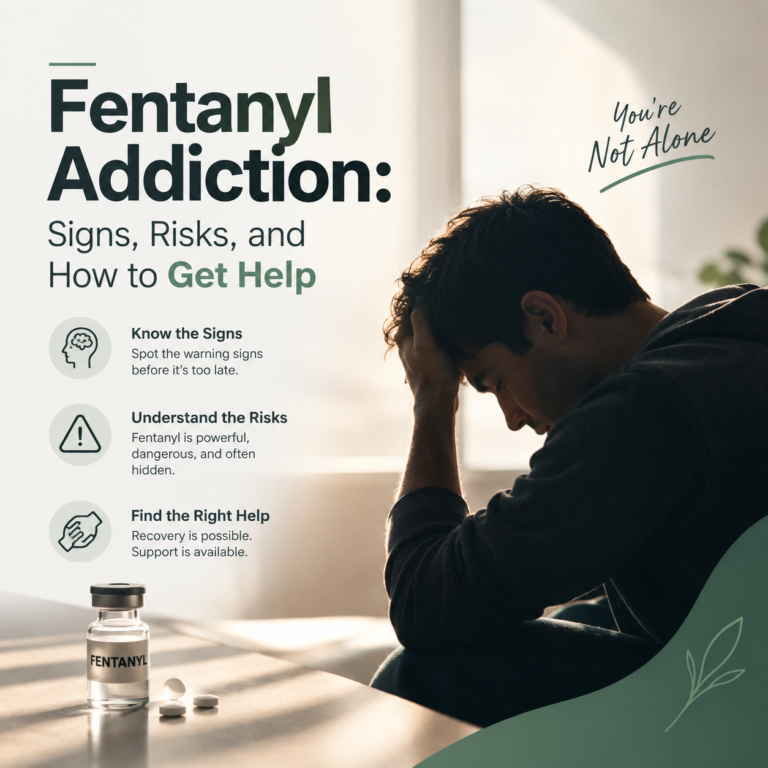

A day treatment program for addiction is a structured level of care that gives you treatment during the day and lets you return home at night. If you’re leaving detox or residential care, that middle ground can make all the difference, because recovery often feels most fragile during the first stretch back in daily life. This is where structure, accountability, and steady clinical support help progress stick.
What a day treatment program for addiction is, and where it fits
A day treatment program for addiction is a high-support outpatient model, often called partial hospitalization or a program very close to it. You attend treatment for several hours a day, several days a week, then go home in the evening. Think of it as a bridge between 24/7 care and fully independent recovery.
That middle position matters. In residential treatment, the environment does a lot of the work for you. Substances are removed, routines are set, and staff are always nearby. At home, real life comes back fast, including stress, family dynamics, work pressure, boredom, and old triggers. Day treatment helps you practice recovery while still having a net under you.
On the treatment continuum, day treatment sits above standard outpatient therapy and below residential or inpatient care. ASAM Levels of Care are used to structure addiction treatment services, and that framework exists for a reason: people do better when the intensity of care matches what they actually need. Not too little. Not more than necessary either.
Why this level of care matters during the transition home
This is often the hardest handoff in treatment. You may feel better than you did in detox, but not exactly steady. You may be motivated, yet still dealing with cravings, sleep problems, anxiety, or the shock of stepping back into everyday responsibilities.
Good news, this isn’t a sign that treatment “didn’t work.” It usually means you still need support at the right level. Patients in addiction treatment centers can receive care on an outpatient, residential, or inpatient basis depending on severity, which is another way of saying recovery care should be matched, not rushed.
Demand for this kind of support is growing, too. Demand for behavioral health and addiction treatment services has surged since 2020, which reflects something many families already know firsthand: more people need continuing care, not just crisis care. Day treatment fills that gap by keeping momentum alive after a higher level of care.
What daily care usually looks like from morning to afternoon
A lot of people hear “day treatment” and imagine an all-day blur of meetings. It’s usually much more organized than that. The schedule is structured, predictable, and built to lower chaos, not add to it.
Most programs run on a set routine. You arrive in the morning, check in with staff, attend therapy groups and educational sessions, meet with a counselor or prescriber as needed, and leave with a plan for the evening. The consistency is part of the treatment. When life feels shaky, routine helps your nervous system settle down.
Morning check-ins, drug testing, and goal setting
The day often starts with a brief clinical check-in. Staff may ask about cravings, mood, sleep, anxiety, medication side effects, and any recent substance use. If you’re early in recovery, they may also watch for withdrawal symptoms or signs that your current level of care needs to change.
Some programs use breathalyzer or urine testing. That can feel intimidating at first, but in a well-run program it is about safety, honesty, and accountability, not punishment. It gives the care team real information, and it gives you a structure that supports follow-through on hard days.
Morning check-ins also help set the tone. Instead of vaguely hoping to “do better today,” you leave that first hour with specific goals. Maybe it’s getting through a family dinner sober. Maybe it’s calling your sponsor before 7 p.m. Maybe it’s taking medication as prescribed and getting to bed on time. Small targets matter because recovery gets built in days, not speeches.
Therapy groups, education, and skill-building sessions
This is usually the core of the program. Group therapy helps you see patterns, practice honesty, and learn from other people who are also trying to rebuild. Done well, groups are not just people telling stories. They are focused sessions led by clinicians who guide discussion toward coping skills, relapse prevention, emotional regulation, and behavior change.
Many programs also use evidence-based approaches such as cognitive behavioral therapy, motivational enhancement, mindfulness strategies, and family or couples work. NIAAA identifies cognitive-behavioral therapy, motivational enhancement therapy, mindfulness-based interventions, and contingency management as evidence-based behavioral approaches. In plain language, these methods help you notice triggers, interrupt old habits, and build new responses before a crisis takes over.
Education matters too. You may learn how addiction affects the brain, why cravings rise and fall, how stress changes decision-making, and what relapse warning signs look like before an actual return to use. If mental health symptoms are part of the picture, which they often are, day treatment should address that directly. Programs that treat both conditions together tend to work better than programs that pretend they are separate problems. If you want a clearer picture of that higher-support model, it helps to read about how dual-condition treatment is handled in a PHP setting.
Individual counseling, medication visits, and care coordination
Group work gives you shared support. Individual counseling is where treatment becomes personal.
In one-on-one sessions, you and your counselor can work on the reasons your use took hold, the situations that make recovery harder, and the practical changes needed next. That may include trauma, grief, shame, family conflict, or the simple fact that you don’t yet trust yourself outside a controlled setting. Honestly, that last one is common.
Medication support can also be part of day treatment, especially for alcohol or opioid use disorders. SAMHSA says effective substance use disorder treatment combines medications with counseling and behavioral therapies, and that combination can improve retention and other outcomes. For opioid use disorder, buprenorphine, methadone, and naltrexone can reduce cravings and are safe for long-term use. For alcohol use disorder, acamprosate, disulfiram, and naltrexone are common FDA-approved options.
Care coordination is the other piece people sometimes overlook. A solid program does not just run groups. It helps connect therapy, medication, family support, outside appointments, and next-step planning so your treatment feels like one plan instead of five separate tasks.
The parts of treatment that support recovery outside the clinic
What happens after you leave for the day matters just as much as what happens during program hours. A strong day treatment model knows that recovery is tested in kitchens, cars, break rooms, and bedrooms, not only in counseling rooms.
That’s why good programs focus on transfer, meaning how to carry what you practiced in treatment into the rest of your life. This is also where step-down care becomes so valuable. You are not being dropped from a high structure environment into total freedom. You are being coached through the handoff.
Planning for evenings, work, family, and triggers at home
Evenings can be high-risk hours. Treatment is over, structure drops, and old habits often used to start around the same time every day. So programs should help you build a concrete evening plan: where you’re going, who you’ll be with, what you’ll eat, how you’ll handle cravings, and what you’ll do if your mood crashes.
That planning should include practical stuff, too. Transportation. Childcare. Meal prep. Sleep routines. Work demands. People relapse over emotional pain, yes, but also over exhaustion, conflict, and disorganization. Recovery gets stronger when your day is livable.
This is one of the clearest differences between levels of care. A partial hospitalization model is usually more intensive, with longer treatment days and closer monitoring. IOP is often a step below that, with fewer weekly hours and more independence. If you’re comparing them, this breakdown of what partial hospitalization actually involves helps make the distinction easier to picture, especially after residential treatment.
Family support and whole-person care
Addiction rarely affects one person in isolation, so treatment should not act like it does. Some day treatment programs include family sessions, family education, or support around communication and boundaries. That can reduce conflict at home and help loved ones respond in ways that support recovery instead of accidentally destabilizing it.
Whole-person care also includes case management. You may need help with housing, legal issues, medical appointments, job planning, or benefits. That is still treatment. NAATP states that addiction treatment outcomes should be measured by changes in health, functioning, and well-being, including stable housing and employment. Recovery is not only about not using substances. It is also about becoming safer, steadier, and more connected to life.
Family involvement can be especially helpful when everyone is learning how to adjust after a higher level of care. If that support is part of your decision, it is worth seeing how loved ones can stay involved during structured outpatient care.
Who tends to do well in day treatment, and when it may not be enough
Day treatment can be an excellent fit, but not for everyone at every stage. The right question is not “Is this good?” The better question is “Is this enough support for what’s happening right now?”
Signs day treatment may be a good fit
This level of care often works well if you’ve finished detox and need ongoing daily structure. It also makes sense if you are stepping down from residential treatment and want to keep strong clinical support while returning home.
It can be a good fit if you need more than weekly therapy, have ongoing cravings or mental health symptoms that need close attention, or want accountability without overnight treatment. Many people also choose it because they are ready to start reintegrating with work, parenting, school, or other responsibilities in a gradual way. That balance is the point.
If your needs are a little lower, the next step down may be more appropriate over time. This look at how recovery-focused outpatient care works day to day can help you understand what often comes after day treatment.
When residential or inpatient care may be safer
Sometimes day treatment is not enough yet. If you have severe withdrawal risk, active suicidal thoughts, psychosis, repeated overdoses, an unsafe home environment, or nowhere stable to live, 24/7 care may be safer. The same can be true if you have not been able to avoid immediate harm outside a controlled setting.
That is not a failure. It is just level matching. NIAAA says intensive outpatient or partial hospitalization provides coordinated outpatient treatment for complex needs, but outpatient care still assumes you can remain reasonably safe between treatment hours. If that part is not in place, a higher level of care may be the better starting point.
Questions to ask before choosing a program
Programs can sound similar on paper. The real differences show up in how they handle complexity, continuity, and follow-through.
A good question is not only “What services do you offer?” It’s “How do you make those services work together for me?”
Ask how the program handles medications, mental health, and dual diagnosis
If you have alcohol or opioid use disorder, ask whether the program offers medication treatment directly or coordinates it quickly. Ask whether there is psychiatric support on site or through a partner. Ask how they treat depression, anxiety, trauma, or other mental health concerns alongside substance use, not after it.
Integrated care matters because recovery gets harder when you are expected to manage addiction in one system and mental health in another. SAMHSA says low barrier care reduces requirements and restrictions that may limit access to addiction treatment. In practice, that means treatment should be easier to enter, easier to stay in, and flexible enough to reflect real life.
Ask about schedule, insurance, telehealth, and progress tracking
You also want the practical details. How many hours per day? How many days per week? How long do most people stay? Is telehealth available for some services? What happens if transportation falls through or your work schedule changes?
Telehealth can be more than a convenience. CMS’s 2025 final rule expanded reimbursement for addiction treatment by allowing periodic telehealth billing, including audio-only interactions, which should improve access for people who live far from care or have schedule barriers.
Ask how progress is measured, too. Not just attendance. NAATP says outcomes measurement helps providers track patient progress and identify which interventions work best. A thoughtful program should be able to explain, in plain language, how it knows you are improving.
What happens after day treatment ends
Day treatment is usually not the finish line. It is one phase in a longer recovery plan.
For many people, the next step is intensive outpatient, then standard outpatient therapy, medication follow-up, peer support, recovery meetings, alumni support, or some mix of those. NIAAA notes that most alcohol use disorder treatment is delivered in outpatient settings, and treatment typically lasts months rather than days or weeks. That long view matters. The goal is not just to stabilize fast. It is to stay connected long enough for recovery to take root.
Building a step-down plan that protects your progress
A strong discharge plan should feel concrete. You should know your next appointments, medication plan, support options, crisis contacts, and what to do if you have a lapse or start slipping toward one. The best plans also account for ordinary life, including work schedules, family demands, and the times of day when you are most vulnerable.
Good news, needing continued structure is not a setback. It is often the smartest move you can make after detox or residential care. Recovery tends to hold when support fades gradually, not all at once. Day treatment gives you that bridge, and for many people, that bridge is what turns early progress into a life that finally feels sustainable.