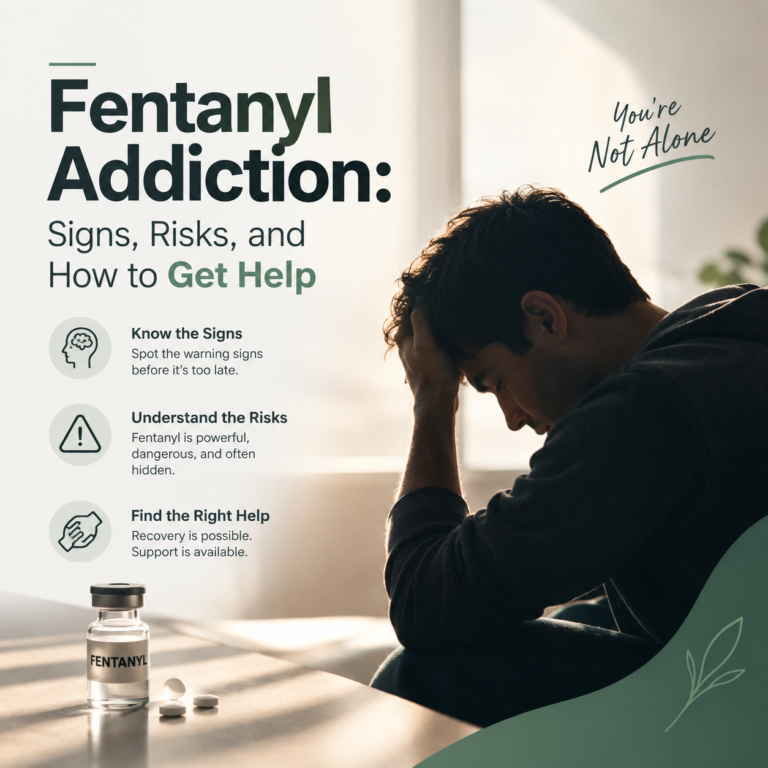

Dual diagnosis residential treatment is live-in care for people dealing with addiction and a mental health disorder at the same time. If someone finishes detox and still feels panicked, depressed, impulsive, or one bad day away from using again, this level of care often makes the difference between short-term stabilization and real recovery. Good news, this is not a rare situation, and it is not a personal failure.
Why dual diagnosis residential treatment matters more than many families realize
A lot of families think the hard part is over once detox ends. Then reality hits. The alcohol or drugs are out of the system, but the person still cannot sleep, still feels hopeless, still swings from rage to numbness, or still wants to use because the mind is in chaos.
That is exactly why dual diagnosis residential treatment matters. Detox handles withdrawal and immediate medical safety. It does not resolve trauma, bipolar symptoms, panic attacks, psychosis, or the deeply wired habits that make relapse feel almost automatic.
This is also much more common than many people realize. The National Institute on Drug Abuse reports that 35% of U.S. adults with another mental disorder also have a substance use disorder. For people with severe mental illness, the overlap is even greater, with more than 50 percent developing a diagnosable co-occurring substance use disorder during their lifetime.
So if treatment has “not worked” before, the issue may not be lack of effort. The issue may be that only half of the problem was being treated.
What dual diagnosis residential treatment actually means
Dual diagnosis means a person has both a substance use disorder and a mental health disorder at the same time. Residential treatment means the person lives on-site in a structured setting with around-the-clock support, daily clinical programming, and close psychiatric oversight.
Put those together, and the goal becomes clear: treat the addiction and the mental health symptoms as one connected clinical picture. Not two separate files. Not two separate appointments across town. Not one provider focusing on sobriety while another tries to figure out why the person keeps spiraling.
You can think of it like trying to stop a house fire while ignoring the gas leak feeding it. If depression, trauma, bipolar disorder, or severe anxiety is driving substance use, addiction treatment alone is incomplete. If substance use is worsening paranoia, panic, or suicidal thinking, mental health treatment alone is incomplete too.
Why “same time, same team, same place” matters
The strongest dual diagnosis programs are built on integrated care. NIDA states that it is usually better to treat mental health issues and substance use disorder at the same time rather than separately, because that approach can improve both treatment effectiveness and health outcomes.
One of the clearest models for this is IDDT, or Integrated Dual Disorder Treatment. In plain language, it means mental health and substance use services are delivered together in the same organization by the same treatment team. That “same time, same team, same place” approach matters because symptoms constantly interact. Anxiety can trigger drinking. Stimulant use can worsen paranoia. Sleep loss can mimic mania. Trauma can sit underneath all of it.
When care is split, people often get conflicting advice or no real coordination at all. Integrated care closes that gap. If you want a broader look at how specialized programs are set up, it helps to review what sets programs built for co-occurring conditions apart from standard addiction-only treatment.

Who residential care is usually best for after detox
Residential treatment is not the right answer for every person. Some people do very well in outpatient care, especially if symptoms are mild, home is stable, and follow-through is strong. But when risk is high, symptoms are layered, or relapse keeps repeating, a deeper level of care usually makes more sense.
This setting is often the best fit after detox for people who need distance from triggers, daily accountability, fast access to psychiatric care, and enough time to stabilize emotionally instead of just white-knuckling sobriety. It is especially helpful when treatment needs to be immersive, not occasional.
Signs you may need more structure than outpatient treatment
Usually, the signs are not subtle. A person may have gone to outpatient therapy and kept missing appointments. They may stop medications, relapse after a few days, or unravel the moment they return to the same people, places, and stressors.
Residential care is often warranted when there is repeated relapse, unstable mood, intense cravings, unsafe home dynamics, or frequent emergency room visits. It also becomes much more appropriate when someone is dealing with self-harm risk, suicidality, psychosis, severe trauma symptoms, or behavior that turns impulsive and dangerous under stress.
Here’s the thing: willpower is not a treatment plan. When a person cannot stay safe or consistent in a lower level of care, more structure is not overreacting. It is a smart clinical step.
When detox is part of the plan, and when it is not
Detox and residential treatment are related, but they are not the same thing. Detox focuses on withdrawal and medical stabilization. Residential treatment focuses on recovery, psychiatric care, behavior change, and rebuilding daily functioning.
Some people enter residential treatment after completing detox elsewhere. Others begin with a program that coordinates detox first, then transitions them into residential care once they are medically stable. That handoff matters because the days right after detox are often emotionally raw and medically vulnerable.
Not every residential program provides detox on-site, so families should ask directly. If you are comparing levels of inpatient care, it helps to understand what strong live-in rehab programs should actually offer, especially around medical screening, stabilization, and psychiatric access.
What happens first, assessment, diagnosis, and a real treatment plan
A good program does not rush people into a generic schedule and hope for the best. The first phase is assessment, and it should be thorough. That means looking at substance use patterns, psychiatric symptoms, trauma history, sleep, medical issues, medications, family dynamics, and what has or has not worked before.
Clinicians also look at practical realities: Is the person safe? Are they minimizing symptoms? Is there a history of mania, psychosis, or suicide attempts? Is chronic pain part of the picture? NIDA notes that people with co-occurring substance use and mental disorders often have symptoms that are more persistent, severe, and resistant to treatment, which is why surface-level intake is not enough.
From there, the team builds a treatment plan with actual priorities. Not vague goals like “get better.” A real plan might include mood stabilization, trauma-informed therapy, medication review, relapse prevention, family sessions, sleep repair, and a discharge path that does not leave the person guessing.
Why diagnosis can take time in early recovery
Early recovery can be noisy. Withdrawal, sleep deprivation, panic, grief, and physical stress can all distort the clinical picture. Someone may look severely depressed in the first week and much more stable by week three. Someone else may appear “fine” until substances clear and underlying bipolar symptoms become obvious.
That is why good clinicians reassess often. They do not slap on labels on day one and call it solved. They watch patterns over time, compare symptom history to substance use history, and adjust the plan as the fog lifts.
Honestly, this patience is a strength, not a delay. Accurate diagnosis in dual diagnosis care often comes from careful observation, not quick assumptions.
What daily life looks like inside a dual diagnosis residential program
Most people imagine residential treatment as nonstop therapy or, on the other extreme, a locked-down holding environment. In a good program, it is neither. The day has rhythm. That rhythm is part of the treatment.
A typical day may start with wake-up, breakfast, medication check, and a morning process group or community meeting. Then come therapy blocks, skill-based groups, psychiatric appointments, case management, and time for reflection. Meals are scheduled. Sleep is protected. Movement is encouraged, whether that means a walk, gym time, yoga, or something similarly grounding.
Afternoons often include individual therapy, psychoeducation, trauma work when appropriate, and relapse prevention planning. Evenings may include peer support meetings, recovery groups, journaling, or quieter programming designed to bring the nervous system down before bed.
Good news, the structure usually feels strange only at first. Then it starts to feel relieving. The person no longer has to decide every hour what happens next, and that reduction in chaos matters more than people expect.
The role of structure in calming both addiction and mental health symptoms
Structure is not punishment. It is stabilization.
Addiction thrives in chaos, and many mental health symptoms do too. Irregular sleep worsens depression, anxiety, cravings, and mood swings. Isolation feeds shame. Constant decision-making drains already stressed people. A predictable routine lowers the volume on all of that.
That is one reason residential care can be so effective. The environment reduces access to triggers, interrupts compulsive patterns, and gives clinicians a clearer view of what is helping. If a medication change improves sleep within a week, the team can see it. If a person crashes emotionally after family calls, the team can work with that too. For families comparing settings, the difference often comes down to how to evaluate a structured residential program rather than choosing based on marketing language alone.

How therapy works when both addiction and mental health are in the room
Therapy in dual diagnosis residential treatment is not just talking about the past. It is active, practical, and designed to reduce both relapse risk and psychiatric distress. The best programs combine individual therapy, group work, education, and real-life skill building.
That matters because people do not use substances in a vacuum. They use to numb, to sleep, to come down, to feel confident, to escape trauma memories, to quiet voices, or to survive unbearable anxiety. Treatment has to address the behavior and the reason the behavior kept working.
A 2024 quality improvement project in residential care found that an integrated model increased patient engagement from 24% to 92% across 134 admissions. The same project reported that relapse rates fell from 25% to 12% after integrated care was introduced. Those numbers are hard to ignore.
CBT, DBT, trauma therapy, and motivational work
CBT, or cognitive behavioral therapy, helps people identify and change thought patterns that feed emotional distress and substance use. It is practical, structured, and especially useful for depression, anxiety, and relapse triggers.
DBT, or dialectical behavior therapy, teaches emotion regulation, distress tolerance, interpersonal skills, and mindfulness. For people who feel everything intensely and act fast when overwhelmed, DBT can be a lifesaver.
Trauma therapy addresses unresolved trauma that may be driving shame, hypervigilance, avoidance, or self-destruction. Good programs do this carefully. They do not force trauma processing too early, before safety and stability are in place. If trauma is part of the picture, it helps to understand why treatment built around emotional safety and trauma healing often improves long-term outcomes.
Motivational approaches help people engage even when they feel ambivalent. That matters because many people enter treatment tired, skeptical, pressured by family, or unsure they can really change.
Medication management and psychiatric care
Medication management is not a side service in dual diagnosis care. It is part of the clinical core. A psychiatrist or prescriber should review current medications, assess what is helping or hurting, monitor side effects, and adjust treatment based on real-time observation.
That can include medication for depression, anxiety, PTSD, bipolar disorder, psychosis, or sleep. It may also include addiction medications to reduce cravings or lower relapse risk. NIDA notes that integrated treatment may include medications, psychosocial interventions, or both, and that medications are effective in some substance use disorders, especially opioid use disorder.
This is one area where quality varies a lot. Psychiatric access should be easy, not occasional. If a program says it treats dual diagnosis but psychiatric care is hard to reach, that is a problem.
The conditions most often treated together
Dual diagnosis care covers a wide range of combinations, but some patterns show up again and again. Knowing that can make the whole topic feel less mysterious.
Common mental health disorders in dual diagnosis care
Depression is one of the most common co-occurring disorders. Sometimes it comes first and substance use becomes a form of self-medication. Sometimes heavy substance use deepens or mimics depressive symptoms. Often, it is both.
Anxiety disorders are also common, including generalized anxiety, panic disorder, and social anxiety. People often use alcohol, cannabis, or benzodiazepines to calm the nervous system, at least temporarily.
PTSD is a big one. Trauma can drive hypervigilance, nightmares, emotional shutdown, and explosive stress responses. Substance use may become an attempt to numb those symptoms.
Bipolar disorder needs careful attention because substances can mask it, trigger episodes, or complicate medication response. Schizophrenia-spectrum disorders can also co-occur with addiction, especially when someone is trying to quiet distressing thoughts or experiences. NIDA says anxiety, depression, PTSD, psychosis disorders, and some personality disorders commonly overlap with substance use disorders.
Personality-related symptoms can matter too, especially when emotional reactivity, unstable relationships, self-harm, or intense fear of abandonment are present. Good treatment stays practical and nonjudgmental here.
Common substance use disorders in dual diagnosis care
Alcohol use disorder remains one of the most common. It is legal, easy to access, and often used to manage anxiety, trauma symptoms, or insomnia, until it starts making all of them worse.
Opioid use disorder often overlaps with pain, trauma, and depression. NIDA notes that almost half of people with opioid use disorder also experience chronic pain, which is one reason residential treatment has to look beyond the substance itself.
Stimulant use, including methamphetamine and cocaine, can intensify paranoia, agitation, impulsivity, and sleep disruption. Benzodiazepine misuse can complicate anxiety treatment and carries significant withdrawal risk. Cannabis can seem harmless at first, but for some people it worsens motivation, anxiety, dissociation, or psychosis vulnerability. Polysubstance use adds another layer because the triggers, withdrawal patterns, and psychiatric effects can shift from day to day.
Why integrated treatment tends to work better than fragmented care
Fragmented care sounds workable on paper. One provider handles addiction. Another handles mental health. A third prescribes medication. But in real life, that setup often breaks down.
Appointments get missed. Information does not transfer. One clinician encourages abstinence while another underestimates relapse risk. Medication changes happen without anyone understanding the person’s current substance use. Families get mixed messages. The patient ends up doing the job of coordinating care while barely holding themselves together.
Integrated treatment fixes that by pulling the threads into one plan. IDDT is designed to reduce relapse, hospitalization, arrest, incarceration, duplication of services, and other high-cost service use. It also increases continuity of care, stable housing, independent living, and quality of life.
That is the difference between managing episodes and building recovery.
What the research says about outcomes
Research keeps pointing in the same direction. Integrated care improves engagement, retention, and continuity. That matters because people with co-occurring disorders often struggle to stay in treatment long enough for it to work.
NIDA notes that patients with substance use disorders and co-occurring mental disorders often have a harder time staying in treatment and following treatment guidelines. In residential settings, the Journal for Nurse Practitioners project found clinically meaningful improvement in 3-month retention after integrated care was introduced.
There is also a bigger systems-level point here. Programs that stay faithful to the original model tend to do better, and organizations that maintain fidelity to IDDT achieve and sustain the best outcomes. In other words, calling a program “dual diagnosis” is not enough. The structure behind the label matters.
How family involvement helps recovery stick
Addiction and mental illness do not affect one person in isolation. They reshape the whole household. Families may be exhausted, frightened, angry, overprotective, or unsure what helping even looks like anymore.
Healthy family involvement can change that. It gives loved ones a clearer map of what is happening, lowers conflict, and creates more consistency after discharge. It also helps the person in treatment feel less alone, which matters more than many people admit.
In strong programs, family work is not an afterthought. It is built into the care plan. That fits with integrated models like IDDT, which include family psychoeducation as part of long-term recovery support.
What family therapy and psychoeducation usually cover
Family sessions often begin with the basics: what co-occurring disorders are, how mental health symptoms and substance use feed each other, and why recovery is rarely a straight line. Then the work gets more practical.
Families learn how to spot relapse warning signs, how medications fit into the picture, and how to respond to crisis without escalating it. They also work on boundaries, because “support” and “rescue” are not the same thing. Rebuilding trust usually happens in small steps, through consistency, honesty, and follow-through.
Good news, families do not have to become clinicians. They just need guidance, a clearer role, and a realistic plan.

How long residential treatment lasts, and what “progress” really looks like
People understandably want a timeline. How long until someone is better? But dual diagnosis recovery does not follow a clean script.
Progress often looks less dramatic than people expect at first. It may mean better sleep, fewer panic spikes, more honesty in therapy, fewer cravings, safer medication use, improved appetite, or the first week in months without a crisis. Those are not small things. They are the foundation.
IDDT uses a stages-of-change approach and recognizes that sobriety, symptom management, and more independent living usually happen through small, overlapping changes over time. That view is far more realistic than expecting instant transformation.
Common lengths of stay and why longer care can help
Many residential stays are 30, 60, or 90 days, though some people need longer. Length depends on symptom severity, relapse history, safety concerns, insurance coverage, and what kind of support waits at home.
For someone with repeated relapse, severe mood instability, psychosis, trauma complications, or nowhere stable to go afterward, a longer stay can be a real advantage. It gives enough time to move past immediate crisis and start practicing recovery skills while still in a supported setting.
There is research support for staying engaged. A residential treatment review noted that programs are most effective when patients complete at least 3 months to 1 year of care, though that may include step-down levels rather than one long residential stay. The point is not that everyone needs a year in-house. The point is that recovery usually needs continuity.
What happens after residential treatment ends
Residential treatment is a launching point, not the finish line. The weeks after discharge can be surprisingly vulnerable because real life returns quickly: phones, jobs, family stress, old neighborhoods, and the quiet pressure of freedom.
That is why discharge planning should start early, not three days before leaving. The best programs are already thinking about the next setting, the next appointments, and the next layer of support while treatment is still underway.
Step-down options that support long-term recovery
Step-down care may include PHP, which is partial hospitalization, IOP, which is intensive outpatient, standard outpatient therapy, psychiatry follow-up, sober living, peer support, case management, and telehealth check-ins. The right mix depends on acuity and stability.
Outpatient still plays a major role in the broader system. In fact, outpatient clinics held the largest 2025 end-user share at 37.50%, compared with 20.50% for rehabilitation centers. That does not make residential less valuable. It simply shows that most long-term care happens after the residential phase, not instead of it.
Home-based treatment is also emerging for selected patients. A Geneva study found that home treatment for first-time dual diagnosis patients met its primary feasibility and safety objectives, though the study had limits and excluded higher-risk patients such as those with complicated withdrawal or suicidality. For the right person, it may become a useful step-down option, not a replacement for residential care in high-acuity cases.
How a strong aftercare plan lowers the risk of relapse
A strong aftercare plan is specific. Appointments are booked before discharge. Prescriptions are filled. Transportation is discussed. Housing is confirmed. Family members know what warning signs matter and what to do if things start slipping.
The plan should also cover relapse prevention in concrete terms, not vague promises to “stay accountable.” Many families benefit from thinking through how a workable relapse plan gets built in residential care, because prevention is much easier when triggers, routines, and response steps are already mapped out.
When aftercare is weak, the gains of residential treatment can erode fast. When aftercare is solid, recovery has somewhere to land.
How to tell if a residential program is truly equipped for dual diagnosis
This is where families need to be discerning. Plenty of programs say they treat dual diagnosis. Fewer are built to do it well.
Real dual diagnosis capacity means psychiatric care is active, not symbolic. Assessment is deep. Medication management is ongoing. Therapies are evidence-based. Staff know how addiction and mental health symptoms interact. Discharge planning is serious. Family work is included. The environment feels clinically organized, not improvised.
It also means the program is transparent about what it can and cannot safely manage. That honesty matters.
Questions to ask before you commit
Ask whether psychiatric care is on-site and how often patients see a prescriber. Ask whether one team treats both the mental health disorder and the addiction, or whether those services are split. Ask how detox referrals are handled if withdrawal risk is still active.
Ask which therapies are used, how trauma is addressed, how medications are reviewed, and what family involvement actually looks like. Ask what happens after discharge, because a program that cannot explain the next step probably is not planning well enough.
Cost and insurance matter too, and families should verify both early. If coverage is part of the decision, it helps to understand how to check rehab benefits before admission so there are fewer surprises.
Red flags that may signal weaker care
Watch for addiction-only language in a program claiming to offer dual diagnosis care. Watch for vague answers about mental health services, limited psychiatrist access, or treatment plans that sound identical for every patient.
Be cautious if the schedule feels one-size-fits-all, if discharge planning is unclear, or if the program makes promises that sound unrealistically fast. Quality programs talk about process, not miracles.
Transparency around staffing, licensing, safety protocols, and clinical scope matters too. Families are right to ask hard questions. They are also right to slow down if the answers feel slippery.
Common questions people ask before choosing residential treatment
People usually want simple yes-or-no answers here, but the honest answers are more useful.
Is sobriety required before admission?
Not always. Many programs can help people enter care even if they are still actively struggling and not fully stabilized. But if someone is in active withdrawal, especially from alcohol, benzodiazepines, or certain other substances, detox may need to happen first for safety.
The key point is that lack of stability should not stop the treatment process. It should guide the level of medical support needed at the front end.
Is residential treatment better than outpatient care?
Residential treatment is not automatically “better” for everyone. It is better when the person needs more containment, more supervision, more psychiatric access, and more distance from triggers than outpatient care can provide.
For lower-acuity cases with strong support, outpatient may work very well. But when relapse is repeated, symptoms are severe, or the home environment is unstable, residential care is usually the stronger and safer option.
Can someone with severe mental illness still benefit?
Yes, but only if the program has the staffing and clinical depth to manage complex symptoms safely. People with bipolar disorder, schizophrenia-spectrum disorders, or severe PTSD can benefit a great deal from residential care when psychiatric services are strong and the treatment model is genuinely integrated.
That is exactly where “same time, same team, same place” matters most.
What should you do next if you think this level of care fits?
If dual diagnosis residential treatment feels like the right level of care, move forward with a careful screen, not just a fast admission. Verify clinical fit, psychiatric capability, detox coordination, insurance coverage, safety planning, and what aftercare will look like before day one.
The right program does more than get someone sober for a few weeks. It gives them a structured place to stabilize, understand what is really driving the cycle, and start rebuilding life with support that is deep enough to last.