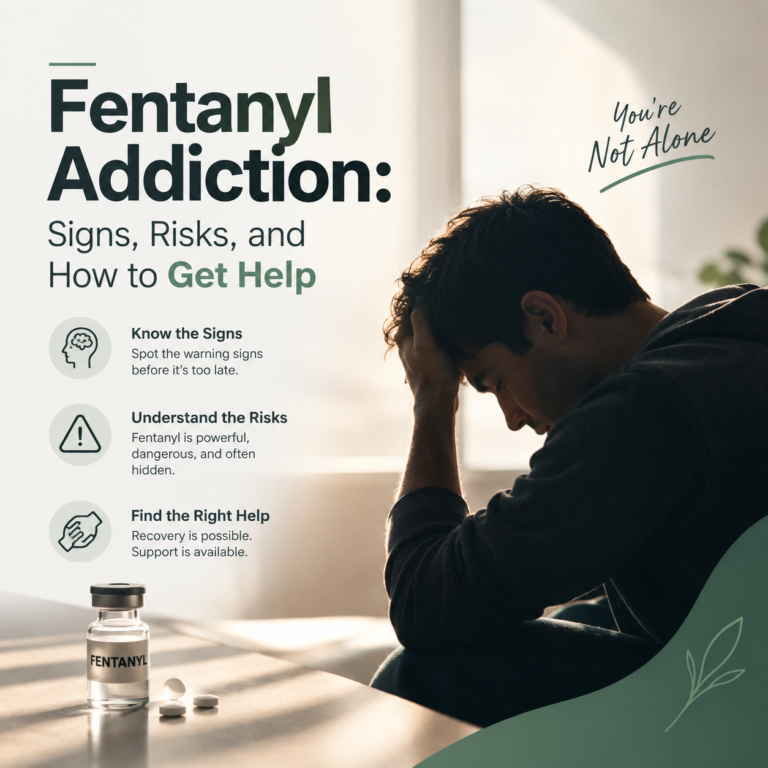

A prescription drug detox program is medical care that helps your body withdraw safely from opioids, benzodiazepines, alcohol, or a mix of substances. If you or someone you love needs help now, knowing what happens first can lower the fear, and make the next step feel possible. Good news, detox is not about white-knuckling symptoms. It is about stabilization, safety, and getting you into real treatment.
What a prescription drug detox program is, and why it comes first
A prescription drug detox program is a medically supervised withdrawal process for people who have become physically dependent on prescription medications or other substances. Think of it as the first phase of care, not the whole plan. The goal is to help your body clear the drug, manage withdrawal symptoms, reduce medical risk, and prepare you for the next level of treatment.
That distinction matters. Detox helps you get through the dangerous and uncomfortable early stage, but it does not fix the patterns, cravings, stress, pain, sleep issues, or mental health symptoms that often keep substance use going. In other words, detox steadies the ground under your feet. It is not the full rebuild.
The treatment gap is still huge. SAMHSA reported that only about 1 in 5 people who needed substance use treatment in 2024 actually received it. That means many people wait too long, try to stop on their own, or bounce in and out of care without enough support. A good detox program closes that gap by getting you medically stabilized fast, then connecting you to what comes next.

Who usually needs medical detox, and when it’s urgent
Medical detox is for more people than many families realize. It can help someone who started with a legitimate prescription and became dependent over time. It can help someone misusing pills, taking more than prescribed, running out early, or buying medication illegally. It can also help people mixing prescription drugs with alcohol, cannabis, fentanyl, or other substances.
The urgency depends on what was used, how much, how long, and what else is going on medically or psychiatrically. Alcohol and benzodiazepine withdrawal can become life-threatening. Opioid withdrawal is often less medically dangerous, but it can be severe enough to push people back into use, and relapse after a short period of abstinence raises overdose risk because tolerance drops quickly.
Same-day help is wise when symptoms are escalating, when there is a history of seizures or delirium, when substances are being mixed, or when the person is medically fragile, pregnant, suicidal, or too impaired to care for themselves safely.
Signs you may need supervised detox now
Some signs are obvious. Others creep up slowly.
You may need supervised detox now if you are shaking, sweating heavily, vomiting, feeling panicked, confused, unable to sleep, or having severe cravings that you cannot manage. Failed attempts to quit matter too. If you have tried to stop more than once and keep going back because the symptoms get unbearable, that is not a lack of willpower. It is a strong sign that medical support is the safer route.
Mixing substances is another major red flag, especially pills with alcohol or opioids. If seizures, blackouts, hallucinations, chest pain, trouble breathing, or sudden confusion show up, this moves beyond uncomfortable and into urgent. Good news, getting evaluated quickly can prevent the situation from getting worse.
Why detoxing at home can be risky
Detoxing at home sounds simpler than it is. In reality, withdrawal can change fast. Dehydration, blood pressure swings, irregular heart rate, seizures, delirium, severe agitation, and relapse are all real risks. With alcohol and benzodiazepines, the danger is especially high because symptoms can intensify after they first appear.
There is another problem. If someone stops for a few days and then returns to their prior dose, overdose risk rises because the body is no longer as tolerant. That is one reason medically supervised care matters so much. If you are trying to get help while waiting for admission, keep naloxone nearby, avoid using alone, and do not mix sedatives with alcohol or opioids. For a closer look at higher-risk withdrawal, this guide on safe care for mixed-substance detox explains why home detox can become unpredictable.
What to expect first when you arrive
The first few hours in detox are usually calmer and more structured than people expect. You are not thrown into therapy right away. You are assessed, monitored, and helped to settle in. The staff’s first job is to understand what is in your system, how withdrawal is affecting you, and what level of medical support you need.
That early period often brings relief. Not because every symptom disappears instantly, but because you are no longer managing it alone.
Intake, screening, and your first medical assessment
Admission usually starts with questions about what you have been taking, how often, in what amounts, and when you last used. Staff will also ask about prescriptions, other drugs or alcohol, past detox attempts, seizure history, mental health symptoms, current medications, pregnancy status, and medical conditions like heart disease, liver problems, or chronic pain.
Then comes the clinical part. Your temperature, pulse, blood pressure, breathing, and oxygen level may be checked. Some programs order labs, urine testing, or an EKG if needed. Many use structured withdrawal scales to measure symptom severity and guide medication decisions. This is what people usually mean when they talk about what medical detox actually involves, not just observation, but active clinical planning.
How the team keeps you safe and more comfortable
Once the team understands your risks, they build a detox plan around them. That may include hydration, nutrition support, sleep support, nausea treatment, medications for muscle aches or anxiety, and frequent monitoring by nurses or clinicians. If withdrawal is more serious, medication may be used to reduce seizure risk, ease opioid withdrawal, or safely taper sedatives.
This approach is evidence-based. SAMHSA states that FDA-approved medications for alcohol and opioid use disorders can relieve withdrawal symptoms and psychological cravings. For opioid use disorder specifically, NIDA says medications are safe, effective, and save lives. That is why strong detox programs do not treat comfort and safety as extras. They are part of the care.
The first 24 to 72 hours
The first one to three days are about stabilization. Symptoms may build, peak, or change depending on the substance. Nurses will usually check in often, especially overnight if needed. Medications may be adjusted as your body responds. You may sleep a lot, feel restless, or go back and forth between the two.
What you usually will not be asked to do is unpack your entire life story immediately. Early detox is not the time for intense emotional digging. It is the time to get your body safer, calmer, and more stable so you can think clearly again.
Withdrawal symptoms can vary by drug
Not all withdrawal looks the same. That is why one-size-fits-all detox is a bad idea. The same symptom, like anxiety or sweating, can mean very different things depending on the substance involved.
Opioids
Opioid withdrawal often causes muscle aches, sweating, goosebumps, yawning, diarrhea, stomach cramps, runny nose, watery eyes, restlessness, insomnia, and very strong cravings. People often describe it as feeling like the worst flu of their life, mixed with panic and agitation.
It is usually less medically dangerous than alcohol or benzodiazepine withdrawal, but it can still derail recovery fast. The real danger often comes after detox, when a person relapses at a dose their body can no longer handle. If opioids are involved, learning more about withdrawal support with medication options can help you understand what safer detox looks like.
Benzodiazepines
Benzodiazepine withdrawal is different. It can bring severe anxiety, panic, tremors, insomnia, irritability, sensitivity to light or sound, and perceptual disturbances. In more serious cases, it can lead to seizures or dangerous confusion.
That is why benzo detox should not be rushed. A slower taper under medical supervision is often the safer path, even when the person wants to be done immediately. If this is the main concern, it helps to know how safer benzo-focused detox programs are evaluated.
Alcohol and polysubstance use
Alcohol withdrawal can cause tremors, sweating, nausea, rising blood pressure, agitation, hallucinations, seizures, and delirium tremens in severe cases. Delirium tremens is a medical emergency. It can involve confusion, fever, shaking, and dangerous autonomic instability.
Polysubstance detox is often more complicated because symptoms overlap and medication choices have to be made carefully. Someone withdrawing from alcohol, benzodiazepines, and opioids at the same time needs individualized planning, not a generic protocol. That same principle applies when alcohol is part of the picture. Programs built for medically managed alcohol withdrawal are often designed to respond quickly if symptoms intensify.
The main types of detox programs, from outpatient to inpatient
The right setting depends on risk, not preference alone. Outpatient may work well for some people. Others need the structure and fast medical response of inpatient or residential care.
Outpatient detox
Outpatient detox means you live at home and come in for visits, check-ins, medication management, and monitoring. It is usually less expensive, and for the right person, it can work well. The best candidates tend to have lower withdrawal risk, steady transportation, a safe home environment, and someone trustworthy around them.
The catch is that outpatient only works if home is truly stable. If substances are easy to access, symptoms are severe, or medical risks are high, outpatient can become unsafe quickly.
Inpatient or residential detox
Inpatient or residential detox provides 24/7 monitoring, faster response to complications, and more distance from the triggers and access points that can derail early recovery. It usually makes more sense for alcohol withdrawal, benzodiazepine dependence, heavy opioid use, polysubstance use, prior seizures, unstable mental health, or serious medical conditions.
Yes, it costs more. But when the risk is higher, the extra supervision is often worth it. A setting with round-the-clock monitoring can catch problems early instead of reacting after an emergency.
How long detox takes, and what affects the timeline
People understandably want a firm answer here, but detox timelines are not one-size-fits-all. The length depends on the substance, dose, how long you have been taking it, age, metabolism, liver function, co-occurring health issues, and whether other substances are involved.
A general timeline people can expect
Some detox stays last just a few days. Others stretch longer, especially when tapering is part of the plan. Opioid detox may move faster than benzodiazepine detox, while alcohol withdrawal often needs close monitoring for several days because symptoms can intensify after they begin.
A residential stay and a detox timeline are not always the same thing, either. Detox may end before the person is ready to discharge. Good programs use those final days to line up the next level of care.
Why some people need a slower, safer taper
Faster is not always better. For benzodiazepines in particular, a rushed taper can increase risk and make symptoms much harder to manage. Some complicated alcohol cases also need a more careful pace, especially if there is a history of severe withdrawal.
Here’s the thing: a slower plan is not a setback. It is often the smarter clinical choice. Comfort, blood pressure stability, sleep, mental status, and seizure prevention all matter more than finishing quickly.
What detox may cost, and how insurance can help
Cost matters because families often have to make decisions fast. Pricing varies by setting, medical intensity, length of stay, and whether the facility is private, hospital-based, or part of a larger treatment program.
Typical price ranges
Available cost data shows that drug detox programs can run from $250 to $800 per day, with a typical 7-day detox costing about $1,750 to $5,600. Outpatient care usually costs less overall than inpatient or residential treatment. Broader rehab costs rise after detox, with outpatient programs often totaling several thousand dollars over a few months and residential care costing much more depending on length and facility type.
That is exactly why care planning should start on day one. Detox is only the opening phase, and the total cost picture makes more sense when you know what the next step will be.
Questions to ask before you enroll
Before you commit, confirm whether insurance is accepted, whether medications and labs are included, how physician coverage works, and what happens after detox ends. Ask about length of stay, mental health evaluation, discharge planning, and whether the program can coordinate residential, outpatient, or medication-based follow-up care.
Those questions do more than protect your wallet. They tell you whether the program is built around safe, continuous care or just a short stay.
Detox works best when it leads into ongoing treatment
This is the biggest point in the whole article: detox alone is rarely enough. Once the worst withdrawal passes, many people still face cravings, anxiety, depression, pain, sleep disruption, relationship strain, and the routines that fed substance use in the first place.
SAMHSA explains that treatment works best when medications are combined with counseling and behavioral therapies. That whole-patient approach is what gives detox real staying power.
Medication treatment after detox
Medication treatment after detox can reduce cravings and lower the risk of return to use. For opioid use disorder, common medications include buprenorphine, methadone, and naltrexone. SAMHSA notes these medications can be used safely under medical supervision for months or longer. Federal changes also mean clinicians with appropriate DEA authority can prescribe buprenorphine without the old X-waiver requirement, where state law allows, which can improve access.
And yet these treatments are still underused. SAMHSA found that only 17.0% of people with past-year opioid use disorder received MOUD in 2024, and only 2.5% of people with alcohol use disorder received medication treatment. That gap matters. Evidence-based medication is not “replacing one drug with another.” It is often what keeps people alive and engaged in care.
Counseling, rehab, and continuing care
After detox, the next step might be residential rehab, partial hospitalization, intensive outpatient, weekly therapy, peer support, or a mix of these. The right level depends on relapse risk, mental health needs, home stability, and your history with treatment.
A strong detox program does not send you out with a phone number and good luck. It helps you leave with an actual appointment, a medication plan if needed, and a clear next placement.
How to choose a detox program you can trust
When families are under pressure, it is easy to focus only on bed availability. But quality matters. A weak detox program may get you through the first days without setting up anything that protects recovery after discharge.
Signs of a strong program
Look for licensed medical staff, physician oversight, medication-based protocols, mental health screening, and real discharge planning. If alcohol, benzodiazepines, or polysubstance use is involved, 24/7 monitoring is often the safer choice. Family communication policies should be clear, and follow-up care should be part of the admission conversation, not an afterthought.
Good programs also individualize care. They do not assume every patient needs the same taper, the same length of stay, or the same next step.
Common misconceptions to clear up
One common myth is that detox cures addiction. It does not. It treats withdrawal and creates a safer starting point.
Another is that medication is a shortcut or a crutch. The evidence says otherwise. SAMHSA reports that medication and therapy together can improve survival and increase retention in treatment. That is not weakness. That is smart medicine.
And mild withdrawal is not always harmless. Especially with alcohol, benzodiazepines, or mixed substances, symptoms can worsen after they begin. If the situation feels uncertain, getting assessed is the safer move.
Your next step if you need help today
If you need a prescription drug detox program now, focus on the first step, not the whole next year. Call a medically supervised detox provider and ask for a same-day assessment. If you need help finding care, NIDA recommends using FindTreatment.gov or calling 1-800-662-HELP, and 988 is available for immediate mental health crisis support.
You do not need to solve every part of recovery today. You just need a safe start, a clear medical plan, and a program that can carry you into the next phase of care. That first move matters, and it is a strong one.