
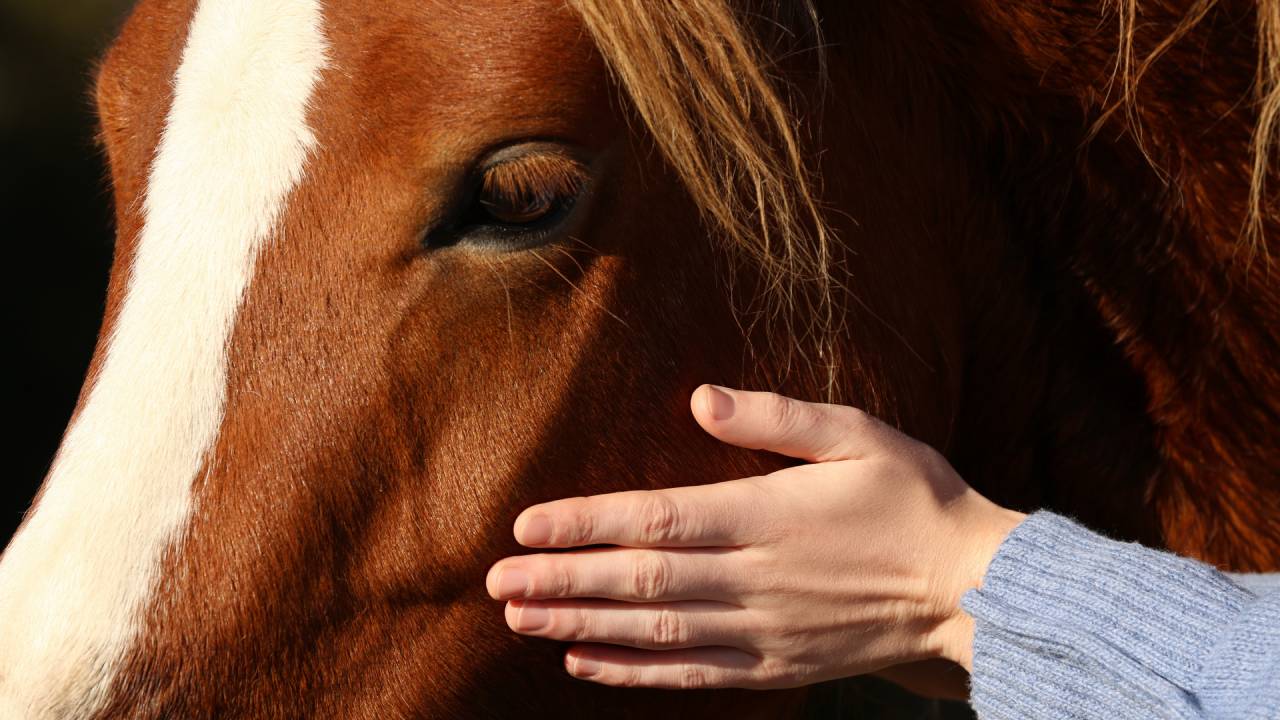
Horse therapy for emotional healing is a clinically structured treatment modality that uses interaction with horses to address trauma, addiction, and emotional dysregulation in ways that traditional talk therapy often cannot. It is not recreational riding, and understanding the difference matters if you are weighing your treatment options seriously.
What Is Horse Therapy for Emotional Healing?
Equine-assisted therapy (EAT) is a formal psychotherapy practice conducted by a licensed mental health professional alongside a certified equine specialist. Sessions take place on the ground, not in the saddle. You groom horses, lead them, observe their behavior, and respond to what they do. A therapist guides the process and helps you connect what happens with the horse to what is happening emotionally and psychologically.
The distinction from recreational riding is not subtle. Recreational riding is about skill and recreation. Equine therapy uses the horse as a therapeutic instrument, with structured objectives, clinical oversight, and documented outcomes. Understanding what a full equine therapy session involves helps clarify exactly how different the two experiences are.
How Horses Support Emotional Recovery
Horses are prey animals. Their survival depends on reading environmental and social cues accurately and instantly. A 2020 study published in Applied Animal Behaviour Science found that horses accurately discriminate human emotional facial expressions and adjust their physiological stress responses accordingly. When your nervous system is dysregulated, the horse notices before you do.
What this means in practice: horses give you honest, unfiltered feedback about your emotional state. They do not respond to what you say. They respond to what you are actually feeling, which makes pretense impossible and avoidance difficult. For people who have spent years managing appearances in therapy, that kind of raw feedback is both challenging and therapeutically productive.
The Role of Nonverbal Communication
A 2019 study from the University of Guelph examining heart rate variability in horses during human interaction found that horses synchronize their physiological state with that of calm humans. The mechanism is direct: when you regulate your nervous system, the horse calms. When you are activated, the horse reflects it back.
A licensed therapist uses this dynamic as real-time biofeedback. You do not have to describe how anxious you are. The horse shows both of you. The therapist then works with what is visible, grounding the session in something concrete rather than self-reported narrative.
Building Trust When Trust Has Been Broken
Earning a horse’s trust takes time and consistency. Horses do not extend trust because you want them to, or because you explain yourself well. They extend it based on your behavior over repeated interactions. That mirrors exactly the relational work at the center of trauma and addiction recovery.
A 2018 study in Frontiers in Psychology examining equine-assisted psychotherapy for attachment disorders found significant improvements in trust and relational security among participants after eight weeks of structured sessions. The process of earning something slowly, on the horse’s terms, teaches patience and self-regulation in a way that no amount of discussion replicates. For someone whose trust has been broken by people, the horse offers a lower-stakes place to practice. That is not a small thing.
Who Benefits Most from Equine Therapy
Trauma survivors, veterans with PTSD, and individuals in addiction recovery show the strongest documented outcomes. Researchers at Columbia Psychiatry studied veterans who had not responded adequately to standard PTSD treatments. After equine-assisted therapy, participants showed marked reductions in PTSD symptom severity and depression scores. In plain terms, veterans who had been stuck reported feeling less hypervigilant, sleeping better, and re-engaging with daily life in ways they had not for years.
People in addiction recovery benefit for overlapping reasons. Addiction often involves deep dysregulation of the nervous system, fractured relationships, and an inability to tolerate uncomfortable feelings without substances. Equine therapy addresses all three simultaneously. For a broader look at how this fits within the full spectrum of experiential treatment, it helps to see equine work alongside other modalities rather than in isolation. And the research on whether this approach actually delivers results is more substantial than most people expect going in.
Individuals managing depression and anxiety also benefit, particularly those who feel disconnected from their bodies or who report that standard therapy has plateaued.
What to Expect in a Session
Arrive expecting groundwork, not riding. A typical session begins with observation: you watch the horse, note its behavior, and reflect on what you notice. From there, you engage in structured activities such as grooming, haltering, or leading the horse through a simple course.
A licensed mental health professional is present the entire time. So is an equine specialist who manages safety and horse welfare. Both professionals observe your interaction, and the debrief at the end of the session is where the clinical work gets articulated. What happened with the horse becomes a lens for examining what is happening inside you.
Mounted work sometimes appears in longer-term programs, but most equine therapy, especially in addiction and trauma treatment, centers on ground activities. The therapeutic value does not require speed or athleticism. It requires presence.
What to Try This Week
Look for programs credentialed through EAGALA (Equine Assisted Growth and Learning Association). EAGALA certification requires both a licensed mental health professional and a certified equine specialist in every session, which is the quality standard you want. A 10-minute call to ask whether a program accepts your insurance and integrates with an existing treatment plan is not a commitment. It is information. Make that call before the week is out.