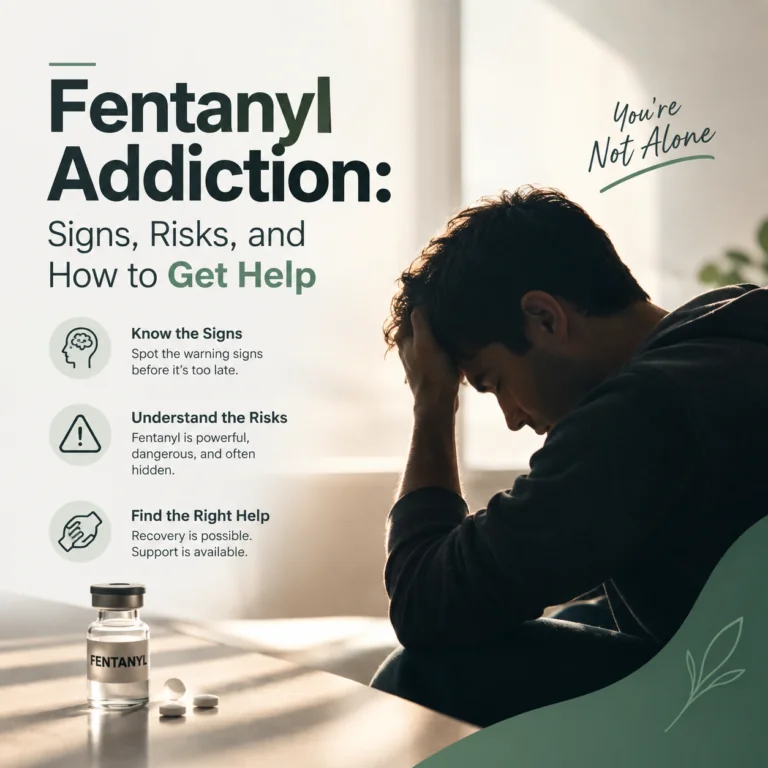

Inpatient drug and alcohol rehab is residential addiction treatment where you live on-site and receive structured, 24/7 care. For many people, that level of support is what turns a shaky start after detox into real recovery, because healing usually takes more than getting substances out of the body. This guide breaks down what inpatient care actually includes, who it fits best, and what to look for before you commit.
What inpatient drug and alcohol rehab really means
Inpatient drug and alcohol rehab means you stay at a treatment facility full time while receiving medical support, therapy, recovery education, and daily structure. Think of it like pressing pause on the outside world so you can rebuild in a safer one. You are not just renting a room. You are stepping into an environment designed to reduce triggers, increase accountability, and give your brain and body time to stabilize.
That structure matters more than people sometimes expect. Residential treatment is usually most useful when you need safety, consistency, and clinical depth, not just motivation. Good programs combine a drug-free setting with therapy, medication support when appropriate, and a plan for what happens next. Research describes residential treatment as 24-hour, alcohol- and drug-free care that may include withdrawal management, individual and group support, peer support, and reintegration planning.
How inpatient rehab differs from outpatient care
The big difference is where you live and how much support you receive each day. In inpatient rehab, treatment is your full-time job. You sleep there, eat there, attend therapy there, and have staff available around the clock.
Outpatient care works differently. Standard outpatient usually means one or a few appointments each week. Intensive outpatient programs (IOP) add more treatment hours, often several days a week. Partial hospitalization programs (PHP) go further, with most of the day spent in treatment, though you still return home at night.
So when does a live-in setting make sense? Usually when home is unstable, relapse risk is high, withdrawal symptoms are serious, cravings feel overwhelming, or mental health symptoms are making recovery harder. If you need distance from people, places, and patterns tied to substance use, residential care often gives you the cleanest reset. If you are comparing levels of care, it helps to understand how a residential treatment center should be evaluated.
Why this choice matters more than ever
The need is not small. Globally, 39.5 million people suffer from severe drug use disorders, while treatment access still falls short. At the same time, demand for both inpatient and outpatient treatment services has surged as addiction is increasingly recognized as a complex health condition.
But here is the catch: not every residential program offers the same care. Some provide strong clinical treatment and thoughtful discharge planning. Others offer a nice setting, daily groups, and little else. That is why the label “inpatient” is only the starting point. What matters is what happens inside the program.
Signs you may need a structured residential program
Inpatient care is not for every person with a substance use disorder, but there are clear situations where it often fits best. Repeated relapse is one of them. If you have tried to quit, managed a few days or weeks, then slipped back into the same cycle, more willpower is probably not the answer. More structure might be.
Heavy daily use is another sign. So is using in a way that creates safety risks, legal problems, job loss, blackouts, or medical complications. If your home environment includes conflict, active substance use, abuse, or constant triggers, trying to recover there can feel like learning to swim in a storm.
Mental health symptoms matter too. Depression, panic, trauma responses, or mood swings can quietly drive substance use, then get worse when use stops. Good news, this is easier to address when treatment is built around both problems at once.
When detox alone is not enough
Detox helps your body clear substances and manage withdrawal. That is necessary care, but it is not full treatment. Detox handles the crisis in front of you. Rehab works on the reasons the crisis keeps returning.
A strong program moves quickly from stabilization into counseling, medication support if needed, and daily work on coping skills, triggers, relationships, and routines. The goal is not just to get you through a hard week. It is to help you build a different life after that week.
When co-occurring mental health care should be built in
Substance use rarely exists in a vacuum. Anxiety, depression, trauma, bipolar disorder, and PTSD often overlap with addiction. When those issues are treated separately, important pieces get missed. One provider may focus on mood symptoms, another on substance use, and no one connects the full story.
Integrated care is a real quality marker. A 2019 review of residential treatment found that best-practice inpatient or residential rehabilitation should integrate mental health treatment rather than treating substance use in isolation. If mental health symptoms are part of the picture, look closely at programs that explain how integrated care for addiction and mental health actually works.
What strong inpatient rehab should include from day one
This is where the decision gets practical. Residential treatment can help, and the evidence is encouraging, but outcomes improve when care is complete, not shallow. A systematic review identified 23 adult residential treatment studies and found moderate-quality evidence that residential treatment can improve substance use and other life outcomes. Moderate evidence is not a miracle claim, but it is meaningful.
The programs that tend to do best are consistent, clinically grounded, and built around the whole person. That means medical care, therapy, emotional safety, family work, and discharge planning all matter from the start.
A full assessment, not a one-size-fits-all intake
A proper intake should cover more than “What are you using?” It should look at substance use history, withdrawal risk, current medications, medical conditions, mental health symptoms, trauma exposure, sleep, family dynamics, relapse patterns, and practical needs like work or housing.
Why does this matter? Because generic treatment plans usually produce generic results. Personalized care gives the clinical team a map. It also helps you understand why certain therapies, medications, or routines are being recommended, which makes buy-in easier.
Medical care and medication support when needed
Some people enter inpatient rehab right after detox. Others still need withdrawal management or close medical monitoring in the first days. Either way, there should be a clear medical plan. You should know who is overseeing medications, what happens if symptoms worsen, and how chronic health issues are handled.
Medication-assisted treatment, often called MAT or MOUD for opioid use disorder, should be available when appropriate. Programs should not reject medications like buprenorphine, naltrexone, or other approved options out of stigma. In fact, evidence-based addiction care increasingly includes them, alongside counseling and behavioral treatment. Research shows that substance abuse treatment includes detoxification, counseling, behavioral therapies, medication-assisted treatment, and rehabilitation programs as part of personalized care.
Therapy that goes beyond daily groups
Groups can be powerful. They reduce isolation and build peer support. But group therapy alone is usually not enough, especially for people with trauma, complicated family histories, or co-occurring mental health conditions.
Strong inpatient rehab usually blends individual therapy, group work, family involvement, and evidence-based approaches such as CBT, DBT, EMDR, and contingency management. Those are not just nice acronyms. They are structured ways to change thinking patterns, regulate emotions, process trauma, and reinforce recovery behaviors. Current treatment trends show inpatient and residential rehab programs are increasingly integrating evidence-based therapies such as CBT, DBT, EMDR, and contingency management. If trauma is part of the story, it is worth understanding why a trauma-focused residential approach can change the pace of healing.
A real plan for life after discharge
Aftercare is not an add-on. It is part of treatment. The first days and weeks after discharge are often the most fragile, because you are returning to real life with more insight, but not always with stable routines yet.
That is why strong programs start discharge planning early. They help arrange outpatient therapy, medication follow-up, peer support, relapse prevention work, and practical supports around housing, work, or school. The same review of residential treatment concluded that continuity of care after discharge is a key best-practice element. If a center talks vaguely about “ongoing support,” push for details. A strong relapse prevention plan that carries into daily life should already be taking shape before you leave.
How to judge quality before you say yes
A polished website does not tell you much. Admissions teams are trained to sound reassuring. What helps more is knowing what to verify.
Licensed staff, clear credentials, and psychiatric access
Ask who will actually be on-site, not just affiliated with the program. You want licensed counselors, medical professionals, and access to psychiatric care when needed. If the center treats dual diagnosis cases, staff should have real experience with both addiction and mental health treatment.
This matters even more because staffing is tight across the field. The industry faces a 25% deficit in essential clinical roles, which can contribute to longer waits and thinner staffing. So ask plainly: Who is available overnight? How often does psychiatry see patients? How many individual sessions happen each week?
Evidence-based treatment, not vague promises
“Inpatient” does not automatically mean evidence-based. Neither does “holistic.” Yoga, meditation, exercise, and nutrition can be helpful, but they should support clinical treatment, not replace it.
Ask the program to name the therapies it uses. Ask how treatment plans are individualized. Ask how progress is measured. If answers stay fuzzy, that is useful information. Warm environments matter, but warmth without a clinical model is not enough.
Outcomes, safety policies, and family communication
Quality programs can explain how they define success. That might include retention in care, reduced substance use, follow-up attendance, medication adherence, improved health, family reconnection, or stability in housing and work. No honest center can promise perfect outcomes, but it should be tracking something real.
Safety matters too. Ask how the center handles psychiatric crises, medication changes, medical emergencies, and family updates. Family involvement often helps recovery, especially when trust has been damaged and needs rebuilding.
Cost, insurance, and access questions to ask early
Cost can shape the decision as much as clinical quality. That is not cynical, it is reality. Residential care is expensive, and availability can change week to week.
What insurance may cover, including
Private insurance may cover part of inpatient rehab, though prior authorization and network rules are common. Medicare coverage can be more limited depending on the setting and services. varies a lot by state, and not every residential program accepts it.
That is why you should verify coverage early, before emotion takes over the call. National facility data show that 74.4% of U.S. substance abuse treatment facilities accepted private insurance and 70.7% accepted in 2022, but inpatient acceptance can still vary. It helps to review how to verify rehab benefits before admission.
Why price does not always predict better care
Higher cost can reflect more services, but not always. Sometimes it reflects amenities, location, or ownership model. In adolescent residential treatment, for-profit facilities were more likely to have immediate openings, 77% versus 39% for nonprofits, but cost about three times more on average.
That does not mean for-profit care is bad or nonprofit care is better. It means you should compare what is being offered. Ask about therapy hours, psychiatric access, family work, medication support, and discharge planning, not just the room and grounds.
Bed availability, wait times, and what to do if there is a delay
Sometimes the best-fit center does not have a bed today. That happens a lot. In an NIH-supported adolescent study, only 54% of contacted residential facilities had a bed immediately available, and the average estimated wait was 28 days.
If there is a delay, do not stop there. Ask what support can begin now. Outpatient therapy, telehealth visits, medication support, case management, and recovery meetings can all help stabilize the gap. Waiting with no plan is where risk grows.
Questions to ask a rehab center before making a commitment
Calls with admissions teams can feel rushed, especially when emotions are high. A short list of direct questions helps you stay grounded and compare centers fairly.
Questions about treatment fit
Ask whether the center treats your main substance concern and how often it handles cases like yours. Ask whether dual diagnosis care is available on-site, what therapies are used, and how treatment plans are individualized after assessment.
It also helps to ask what a typical first week looks like. A solid answer should include evaluation, stabilization, therapy, and goal setting, not just “you’ll join groups.”
Questions about daily life and support
Daily life matters because recovery happens in the schedule, not just the brochure. Ask about wake times, therapy hours, recreation, meals, exercise, family participation, phone access, roommate setup, and average length of stay.
Also ask what happens if symptoms worsen. If a person becomes suicidal, medically unstable, or highly agitated, the response should be clear and immediate. A good center can explain this calmly.
Questions about discharge and next steps
Ask what happens after inpatient rehab ends. Will the team coordinate outpatient care? Is medication follow-up arranged? Are family sessions continued? What relapse support exists in the first month after discharge?
These questions tell you whether the program thinks beyond the stay itself. That mindset matters.
Red flags that can signal a weaker program
Not every warning sign is dramatic. Often it is a pattern of small evasions.
Sales pressure, vague answers, and no clear clinical model
Be cautious if the center pushes for same-day payment before explaining treatment. The same goes for programs that lean hard on comfort, privacy, or amenities but cannot clearly name their therapies, staffing model, or daily schedule.
Transparency usually reflects maturity. Vagueness usually hides something.
Little mental health support or medication stigma
If a program brushes off depression, anxiety, trauma, or PTSD as secondary issues, pay attention. If it discourages approved medications for opioid or alcohol use disorder without a sound clinical reason, that is another warning sign.
Good programs treat the whole person. They do not force you to choose between addiction care and mental health care.
No aftercare plan, or a one-size-fits-all discharge
A weak discharge plan can undo strong work. If the center cannot describe how it handles step-down care, follow-up appointments, medication continuity, or relapse response, that is a problem.
Recovery does not end at the door. The handoff is part of the treatment.
Choosing the best next step for you or your family
The best inpatient drug and alcohol rehab is not the one with the fanciest setting. It is the one with enough structure, clinical depth, emotional safety, and follow-through to support long-term recovery. Look for individualized assessment, integrated mental health care, medication support when needed, strong daily programming, family involvement, and a real plan for life after discharge.
Make a short list. Call each center. Compare their answers side by side. When a program is clear, evidence-based, and built around the whole person, you are far more likely to find care that helps recovery hold.