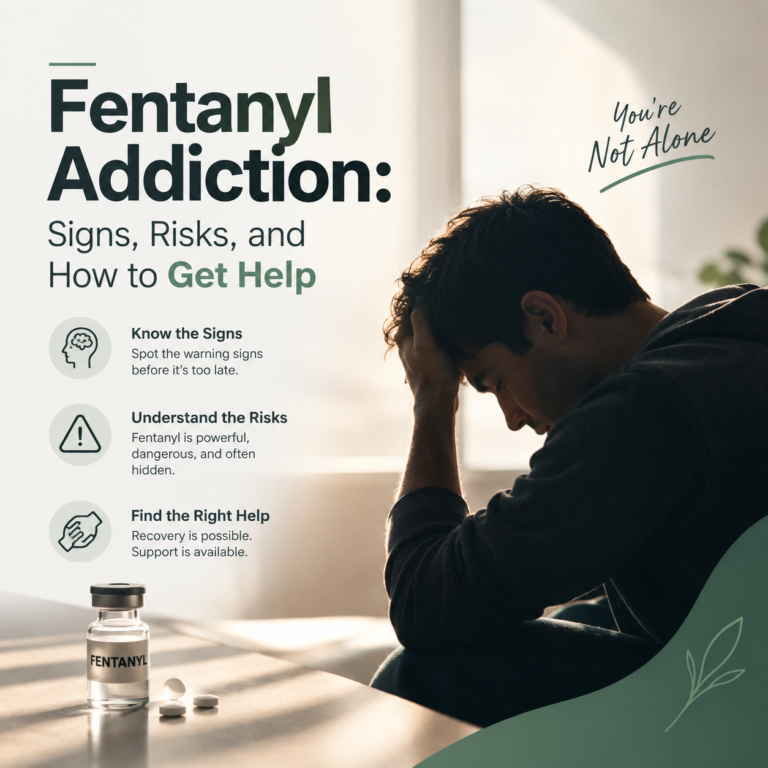

Integrated mental health and addiction care means treating a mental health condition and a substance use disorder together, in one coordinated plan. If you’re dealing with anxiety, depression, PTSD, bipolar disorder, or another mental health concern alongside alcohol or drug use, that matters a lot, because treating only half the problem often leads to the same painful cycle. Good news, there’s a clearer way to understand what real dual-diagnosis care looks like and how to find it.
What integrated mental health and addiction care means
Integrated mental health and addiction care is a treatment approach that addresses both mental health symptoms and substance use at the same time. Instead of putting them in separate lanes, it treats them as connected problems that affect each other every day.
You may also hear this called treatment for co-occurring disorders or dual diagnosis. The wording varies, but the idea is simple: one team, or one shared treatment plan, works on both the emotional and behavioral pieces together. That matters because depression can shape substance use, trauma can fuel relapse, and addiction itself can worsen mood, sleep, anxiety, and thinking.
A useful way to picture it is this: if your house has both a gas leak and a fire, you would not fix one and ignore the other. You would want a team that understands how both dangers interact. Integrated care works the same way. It is not an added bonus. For many people, it is the treatment model that actually fits what is going on.
Why treating both at the same time matters
Here’s the key takeaway: when mental health symptoms and substance use overlap, care usually works better when both are treated together, by providers who coordinate the plan.
That is not just a theory. In 2018, only 43% of U.S. adults with mental illness received any mental health treatment, and only 11% of people with substance use disorder received any addiction treatment. Those gaps are huge. When care is fragmented, people fall through it. When care is integrated, you have a better chance of being seen as a whole person instead of a diagnosis on a form.
Why separate treatment often falls short
Separate treatment sounds workable on paper. In real life, it often becomes exhausting.
You tell your story to one therapist, then again to an addiction counselor, then again to a psychiatrist. One provider says your drinking is the main issue. Another says they cannot really address trauma until you stop using. A third changes your medication without fully understanding what withdrawal, cravings, or relapse triggers look like for you. No wonder people give up.
This is the core problem with siloed care: it assumes your symptoms can be untangled neatly. Usually, they can’t. Integrated treatment is viewed as a better approach than sequential treatment, which has been linked with limited effectiveness, higher dropout rates, and frustration among patients and providers. That tracks with what many people already know from experience. Being told to “fix one first” rarely matches real life.
Co-occurring conditions are also common, not unusual. Yet many clinics still do not offer both kinds of treatment in one place. As of 2020, the treatment gap remained large, with most traditional U.S. mental health clinics still not providing integrated substance use disorder care. Progress is happening, but slowly.
The cycle that keeps people stuck
This cycle is painfully familiar. You feel panic, shame, grief, or emotional numbness. You drink, use pills, or use drugs to calm down, sleep, focus, or escape. It works briefly, or seems to. Then the aftereffects hit: lower mood, worse anxiety, more conflict, missed work, risky behavior, poor sleep, cravings, or withdrawal.
Then the original mental health symptoms come back louder.
That is why treating addiction without addressing mental health can lead to relapse. If the substance has become a coping tool, even an unhealthy one, removing it without building safer ways to regulate emotion leaves a gap. And if mental health care ignores the pull of cravings, triggers, or withdrawal, it misses the reality of what you’re up against. For people with trauma, this is especially true. Programs that understand both addiction and trauma tend to make more sense, which is why many people look closely at how trauma-focused rehab support can fit into recovery.
The health risks go beyond mental health alone
Co-occurring conditions can affect nearly every part of life. Sleep gets worse. Relationships strain. Work or school becomes harder to manage. Physical health often declines too, sometimes quietly at first.
That bigger picture matters. People with serious mental illness die 10 to 20 years earlier than the overall population, largely from preventable medical conditions such as cardiovascular disease. So whole-person care is not just about feeling emotionally better. It is about safety, stability, and long-term health.
What integrated care usually includes
Strong integrated care is more than offering therapy in one room and addiction counseling in another. The point is coordination. Your symptoms, medications, triggers, and recovery goals should all shape one plan.
Screening, diagnosis, and one shared treatment plan
Good integrated care starts with screening for both mental health and substance use, even if you came in asking for help with only one. That is sometimes called a “no wrong door” approach. If you enter through primary care, a therapy clinic, a rehab program, or psychiatric services, you should still be assessed for both sides of the problem and connected to care.
After screening, a fuller assessment helps sort out what is happening. That may include depression, anxiety, PTSD, bipolar disorder, trauma history, withdrawal risk, sleep problems, self-harm risk, medication history, and past treatment experiences. From there, the team builds one treatment plan, not two separate plans that barely talk to each other.
Therapy, medication, and recovery support working together
This is where integrated care becomes practical. You might have individual therapy, group therapy, psychiatric support, medication management, relapse prevention work, and case management all moving in the same direction. Some people also benefit from medication for addiction, such as buprenorphine, naltrexone, or other options, depending on the substance involved.
Medication can matter on the mental health side too. If depression is severe, panic is constant, or bipolar symptoms are destabilizing your recovery, psychiatric treatment is not optional. It is part of the foundation. A program with real integration will explain what coordinated psychiatric medication support actually includes, not treat medication as an afterthought.
Therapy should also match the condition, not just the addiction. Anxiety may need exposure-based or cognitive approaches. Trauma may need careful stabilization before deeper trauma processing. Bipolar disorder may require a stronger focus on mood tracking, sleep, and medication consistency. If depression is a major driver, it helps to know what to expect from care that treats both low mood and substance use together.
Ongoing tracking and team communication
Integrated care usually includes regular check-ins on symptoms, cravings, medication effects, sleep, functioning, and safety. That sounds simple, but it changes a lot. Instead of waiting for a crisis, the team can adjust care as soon as things start slipping.
In medical settings, this may look like collaborative care. Collaborative care is the most evidence-supported integrated care model, built around a primary care doctor, a care manager, and a consulting psychiatrist who identify, treat, and monitor behavioral health conditions together. Research also shows that continual symptom tracking, measurement-based care, and stepped-up treatment when people are not improving are core parts of this model. In plain language, the team actually follows your progress and changes the plan when needed.
Where integrated care happens, and what each setting looks like
Integrated care does not live in one building type. You can find it in specialty behavioral health programs, medical clinics, and virtual care models.
In addiction or mental health treatment programs
Many people first encounter integrated treatment in a dual-diagnosis rehab or outpatient program. These settings may offer outpatient care, intensive outpatient programs (IOP), partial hospitalization programs (PHP), residential treatment, or detox with psychiatric support. The right level depends on safety, withdrawal risk, symptom severity, housing stability, and how much structure you need day to day.
Programs with formal dual-diagnosis capability are usually better equipped to treat both issues well. In fact, mental health facilities were much more likely to provide substance use treatment when they offered a dual-diagnosis program, with an odds ratio of 3.65. That number is technical, but the point is clear: programs built for co-occurring disorders tend to be better prepared. If you’re comparing options, it helps to know what separates a true dual-diagnosis center from a simple referral model.
In primary care or general medical clinics
Integrated care can also happen in your doctor’s office. A primary care clinic may screen you for anxiety, depression, alcohol use, opioid use, or trauma symptoms, then bring in a therapist, care manager, or consulting psychiatrist as part of one care team.
That model matters because many people never start in specialty addiction treatment. They start with insomnia, headaches, panic, stomach issues, or “I’m not doing well.” Good primary care can catch both the mental health issue and the substance use piece earlier. Clinical trials show that integrating mental illness and substance use disorder care into general medical settings improves patient outcomes, though scaling these models has been slower than it should be.
Through telehealth and digital support
Telehealth has made integrated care easier to reach, especially if you live in a rural area or somewhere with long waitlists. Video psychiatry, therapy visits, patient portals, reminders, digital screening tools, and shared records can all help with access and follow-up.
There is real momentum here. In February 2026, Stout reported that addiction treatment centers are expanding as demand rises and stigma declines, and that telehealth, AI-enabled tools, and better electronic health record adoption can improve access, productivity, and patient outcomes over time. Still, technology is support, not a substitute. A portal cannot build trust. An app cannot replace a coordinated clinical team.
What good integrated treatment can help with
When integrated care is done well, the goal is not just sobriety or symptom reduction in isolation. It is a more stable life.
That can mean fewer relapses, less depression, better sleep, more consistent medication use, reduced cravings, improved daily functioning, and fewer crises that knock treatment off course. It can also mean treatment feels more doable, because you are not being sent in circles.
Signs a program is truly integrated, not just bundled
A truly integrated program has one plan for both conditions. Providers communicate with each other. Screening for both mental health and substance use happens routinely, not only if you bring it up. Medication support is available when needed. Follow-up is clear. Progress is tracked over time.
A bundled program looks different. It may offer addiction treatment on site, but refer you elsewhere for psychiatric care. Or it may provide therapy for depression while asking you to handle substance use with outside meetings alone. That is not always useless, but it is not the same as integration.
Common misconceptions to clear up
One myth is that you must be fully sober before you can get real mental health treatment. Sometimes a provider will need to sort out what symptoms are substance-induced and what symptoms persist beyond use, but that is exactly why integrated assessment matters. You do not need to solve everything alone before asking for help.
Another myth is that medication for addiction is “replacing one addiction with another.” Used correctly, these medications are evidence-based treatment. They can reduce cravings, lower overdose risk, and give your brain enough stability to do the deeper recovery work.
And integrated care is not only for the most severe cases. If anxiety drives drinking, if trauma fuels relapse, or if depression keeps pulling you back to use, dual-diagnosis care fits your situation. Honestly, earlier treatment often means fewer complications later.
How to choose the right program for you
Choosing a program can feel overwhelming, especially when you are already tired. The simplest way to cut through the marketing is to look for coordination, psychiatric support, and a clear answer to how both conditions will be treated together.
Questions to ask before you enroll
Ask direct questions. Do you treat co-occurring disorders on site? Will I get one coordinated care plan? Can you treat trauma, depression, anxiety, or bipolar disorder alongside addiction? Do you offer psychiatric evaluation and medication management? How often do providers communicate with each other? What level of care do you recommend, and why?
Strong programs answer plainly. They can explain how therapy, recovery support, and psychiatric care work together. They do not dodge questions about relapse, trauma, or mood instability. They also know when a more condition-specific track helps, such as programs designed around care for bipolar symptoms and substance use at the same time.
When a higher level of care may make sense
Some people need more support at the start. Detox may be needed if withdrawal could be dangerous. Residential care may make sense if home is unstable or relapse risk is high. PHP and IOP can offer structured substance abuse treatment, therapy, and psychiatric monitoring while letting you live at home, depending on your needs.
Clinicians often use ASAM levels of care, a framework that helps match treatment intensity to your safety, symptom severity, and daily functioning. Good news, this does not have to be perfect on day one. The right program should reassess and adjust as you improve.
What still gets in the way, and why that is changing
Integrated care makes sense clinically, but access is still uneven. Payment rules, staff shortages, training gaps, and long waitlists all get in the way. In many communities, the issue is not willingness to get help. It is finding a place that can actually provide it.
The shortage is real. About 160 million Americans live in mental health professional shortage areas, and 158 million Americans live in a mental health workforce shortage area while the country meets only 26.4% of the need for mental health care professionals. No wonder integrated treatment can be hard to find.
Why more programs are moving toward integration
Still, the direction is promising. From 2014 to 2020, the share of U.S. mental health facilities that provided substance use disorder treatment rose from 51.7% to 57.9%. That is not fast enough, but it is movement.
Policy and reimbursement have started to shift too. CMS changes to the Medicare Physician Fee Schedule, including higher work values for psychotherapy and behavioral health assessment codes and expanded telehealth billing for addiction treatment, have been described as supportive of integrated behavioral health reimbursement. Add lower stigma, more dual-diagnosis programming, and better care coordination tools, and more systems are finally moving in the right direction.
A simple next step if you need help now
If you need help now, look for a program that assesses both mental health and substance use from the start, offers psychiatric support, and can explain one coordinated care plan in clear language. Ask direct questions about dual diagnosis, trauma, medication management, relapse prevention, and follow-up.
Good news, you do not need to figure this out alone. Even if you are unsure where to begin, the right next step is not waiting until everything gets worse. Reach out to a provider that follows a no-wrong-door approach and treats both sides of the struggle together, because for co-occurring disorders, integrated care is not optional. It is the care model that makes recovery more realistic.