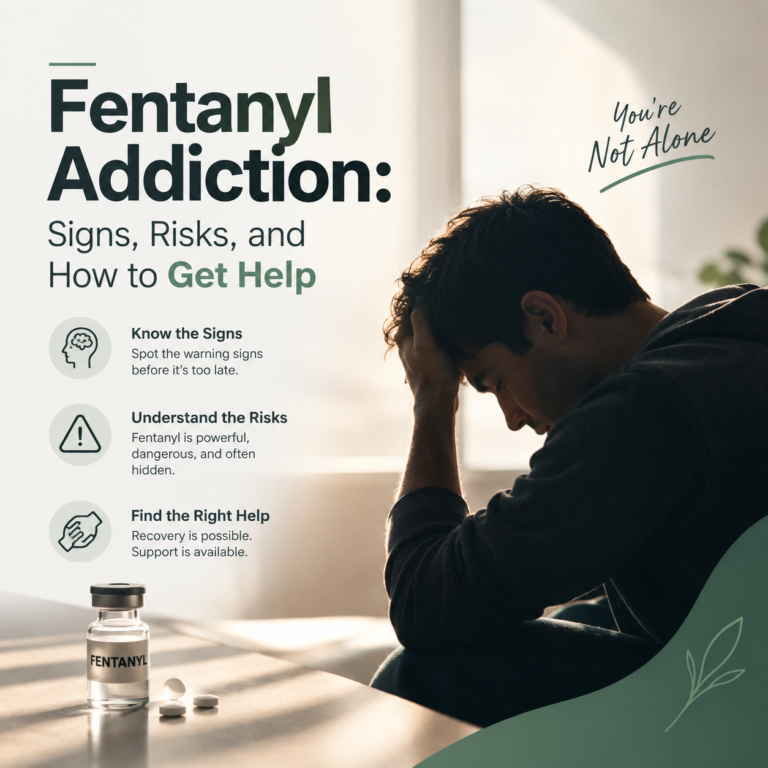

MAT detox for opioid recovery means using approved medications during detox to reduce withdrawal, lower cravings, and make the first days of treatment safer. If you or someone you love is afraid of getting sick, relapsing, or trying to quit alone, this is the part to understand: detox does not have to be a white-knuckle experience, and medication can make a real difference from day one.
What MAT detox means in opioid recovery
Medication-assisted treatment, often shortened to MAT, is a medical approach that uses medication along with clinical care to treat opioid use disorder. In plain terms, it helps your brain and body adjust when opioids are reduced or stopped, instead of forcing you through withdrawal with no support.
That matters because opioid withdrawal is often the moment people give up. Not because they do not want recovery, but because the symptoms feel unbearable and the cravings hit hard. MAT detox is designed to lower that barrier.
It is also not “replacing one drug with another.” That idea sounds simple, but it misses the medical reality. Misused opioids create unstable cycles of intoxication, withdrawal, craving, and relapse. MAT uses prescribed medication in controlled doses, under supervision, to stabilize those cycles and protect your health. SAMHSA explains that medications used with counseling and behavioral therapies provide a whole-patient approach, and that is exactly the point of MAT during detox.
Think of it like using a cast for a broken leg. A cast does not create a new injury. It supports healing and prevents further damage while the body stabilizes. MAT does something similar for opioid withdrawal and early recovery.

Why opioid withdrawal feels so intense
Opioids change how the brain handles pain, stress, reward, and even basic body functions. Over time, your system starts to expect the drug. Once opioid use stops, the body does not return to normal right away. It swings in the other direction.
That is why withdrawal can feel like every alarm in the body is going off at once. You may feel physically sick, emotionally raw, and desperate for relief. Good news, this reaction is common, and it is treatable.
Fear plays a big role here. Many people delay treatment because they have gone through withdrawal before, or have seen someone else suffer through it. That fear is not irrational. It is one of the main reasons people keep using, even when they truly want help. For a closer look at why monitored care matters in fentanyl cases, it helps to read about why medication support changes the detox experience.
Common opioid withdrawal symptoms to expect
Most opioid withdrawal symptoms are not usually life-threatening the way severe alcohol or benzodiazepine withdrawal can be, but they can still feel severe enough to drive immediate relapse. Common symptoms include nausea, vomiting, diarrhea, sweating, chills, runny nose, body aches, muscle pain, stomach cramps, insomnia, anxiety, restlessness, agitation, and intense cravings.
Some people also feel depressed, panicky, or unable to sit still. Others describe it as having the flu while your nerves are on fire. That may sound dramatic, but honestly, many patients use language just as strong because the experience can be that miserable.
The timeline varies based on what opioid was used, how long it was used, how much was used, and whether fentanyl or multiple substances are involved. Short-acting opioids often trigger symptoms faster. Longer-acting opioids may have a slower start but a more prolonged course.
How MAT helps withdrawal, cravings, and early relapse risk
The immediate job of MAT in detox is straightforward: reduce suffering and keep you safe long enough to stabilize. But there is a second benefit that matters even more. Medication can reduce the urge to return to opioid use during the period when relapse risk is highest.
That is a big deal. Early recovery is fragile. Relapse rates are estimated at 40% to 60% early on, though they drop to less than 15% after five years of continuous sobriety. In other words, the first stretch after detox is when people need the most protection, not the least.
MAT helps by calming withdrawal symptoms, reducing cravings, and making it easier to stay in treatment. SAMHSA states that FDA-approved medications for opioid use disorder relieve withdrawal symptoms and psychological cravings by helping normalize brain chemistry and restore normal body functions. That is why medication is not only about comfort. It is also about survival, retention in care, and lowering the chance of a return to dangerous use.
What the research says about medication and overdose risk
The strongest evidence on this point is hard to ignore. In a Yale-led analysis, methadone reduced the risk of fatal overdose death by 38% and buprenorphine reduced it by 34% compared with no treatment. By contrast, non-medication-based opioid treatments increased the risk of death by more than 77% compared with no treatment.
That sounds backward at first. How could treatment without medication be worse than no treatment? Here is the catch: when people detox without ongoing medication, tolerance drops. If they relapse and take the amount they used before, overdose risk jumps. Yale researchers specifically warned that abstinence-based care can leave people more vulnerable after discharge because their bodies no longer handle opioids the same way.
For someone choosing care right now, the takeaway is practical. The safest detox plan is usually one that includes medication options and a clear transition into continued treatment, not a short stay that ends with “good luck.”
The medications most often used during MAT detox
Three medications are most often discussed in opioid treatment: buprenorphine, methadone, and naltrexone. They do not work the same way, and they are not interchangeable in every case.
Clinicians choose based on your opioid use pattern, current withdrawal level, medical history, other substances involved, and what the next level of care will be. That is why a proper intake matters. Someone using fentanyl every day may need a different approach than someone stopping prescribed oxycodone, and a person with mixed alcohol or benzodiazepine use needs even closer planning. If multiple substances are in the picture, safe detox across more than one drug type becomes especially important.
Buprenorphine
Buprenorphine is a partial opioid agonist. That means it attaches to the same receptors as opioids, but activates them only enough to reduce withdrawal and cravings, without creating the same level of intoxication as full opioids.
In practice, that makes buprenorphine one of the most common choices during MAT detox. It works well for many patients, can be adjusted based on symptoms, and often continues after detox as part of longer-term treatment. SAMHSA notes that buprenorphine was the first opioid use disorder medication that could be prescribed or dispensed in physician offices, which has helped expand access.
Timing matters, though. If buprenorphine is started too early, before enough opioids have cleared from the body, it can trigger precipitated withdrawal, which is a sudden worsening of symptoms. That is why experienced monitoring is so valuable during induction.
Methadone
Methadone is a full opioid agonist, but in treatment it is given in controlled, measured doses to prevent withdrawal and stabilize the patient. It can be especially helpful for people with long-term opioid use, high tolerance, fentanyl exposure, or repeated relapse after other approaches.
Methadone is not a “last resort.” For some patients, it is simply the better fit. There is growing evidence that adequate early dosing matters too. A 2026 Johns Hopkins study found that earlier and higher doses of methadone during hospitalization were associated with substantial reductions in patient-directed discharge, which tells us something simple and useful: when withdrawal is treated well, people are more likely to stay and complete care.
Naltrexone and where it fits
Naltrexone works differently. It blocks opioid effects rather than easing active withdrawal. Because of that, it is usually not started until detox is complete and opioids are fully out of the system.
So yes, it belongs in the conversation, but not as a front-line medication for managing the acute misery of withdrawal. Its role is more about relapse prevention after detox, once a person is opioid-free and ready for a blocker medication approach.
What a medically supervised MAT detox usually looks like
A medically supervised MAT detox usually begins with intake, moves into withdrawal monitoring and medication adjustment, and then shifts toward stabilization and discharge planning. The goal is not just to get you through a few rough days. It is to help you leave in better shape, with a safer next step already in place.
For many patients, this kind of setting feels like a relief. You are not guessing. You are not trying to measure symptoms alone at 2 a.m. You have physicians, nurses, and clinical staff watching for changes and responding in real time. If you want a broader picture of this level of care, what full medical detox actually includes is worth understanding.
Assessment, timing, and symptom monitoring
The first step is a full assessment. Staff review your medical history, opioid use history, mental health symptoms, prior detox experiences, medications, overdose history, and any use of alcohol, benzodiazepines, stimulants, or other drugs. That wide-angle view matters because opioid withdrawal may be the main issue, but it is not always the only one.
Timing is part of the safety plan. With buprenorphine especially, clinicians usually wait until there are clear signs of withdrawal before starting medication. Starting too soon can worsen symptoms. Monitoring tools and repeated symptom checks help the team decide when to begin and how to adjust.
This is also when clinicians look for added risks such as dehydration, severe anxiety, chronic pain, infection, pregnancy, or co-occurring psychiatric conditions. Individualized care sounds basic, but it changes outcomes.
Dosing, comfort care, and 24/7 clinical support
Once detox is underway, the team adjusts medication based on your symptoms and response. They also provide comfort care for the things that make withdrawal so hard: nausea, diarrhea, insomnia, sweating, body aches, agitation, and dehydration.
That support is not cosmetic. It helps people stay in care. Sleep, fluids, blood pressure checks, symptom relief, and emotional support can be the difference between completing detox and walking out early. For patients detoxing from opioids, round-the-clock supervision during the first phase can lower risk and make the process more manageable.
If complications arise, such as severe vomiting, worsening mental health symptoms, or concern about hidden alcohol or benzodiazepine withdrawal, the team can respond quickly. That is one of the clearest advantages of supervised detox over trying to stop at home.
Why detox alone is usually not enough
Detox treats withdrawal. It does not fully treat opioid use disorder.
That distinction matters because many people feel better after a few days and think the problem is solved. But opioid use disorder is better understood as a chronic medical condition that often needs ongoing management over time. A Yale-led study found that short-term medically managed withdrawal and longer abstinence-based rehab without continued buprenorphine or methadone were no more effective at preventing overdose deaths than no treatment at all.
There is also the tolerance issue. After detox, your body can no longer handle the same opioid dose it handled before. If you return to use, overdose can happen fast.
The difference between withdrawal management and ongoing treatment
Withdrawal management is the short-term phase. It gets you medically stable and helps you stop using safely. Ongoing treatment is what comes next: continued MAT, residential treatment, outpatient therapy, psychiatric care, peer support, case management, and recovery planning.
Those are not optional extras. They are what turns a safer detox into a stronger chance at long-term remission. Recovery from opioid use disorder often requires more than stopping drug use, including restoring health, relationships, stability, and relapse prevention with ongoing support.
A solid program builds that bridge before discharge. You should know where you are going next, who will prescribe medication if it continues, and how counseling or step-down care will begin.
Who may benefit most from MAT detox
MAT detox can help a wide range of people, especially those using heroin, fentanyl, or prescription opioids regularly and those who know they are unlikely to get through withdrawal on willpower alone. It is often a strong fit for people with intense cravings, repeated relapse, prior overdose, or a history of leaving detox early because symptoms became too severe.
It can also be the safer choice if you have tried abstinence-only detox before and quickly returned to use. That pattern is common, and it is not a personal failure. The median number of recovery attempts among people who resolved a significant substance use problem was 2, and the mean number of serious recovery attempts was 5.35. In other words, needing treatment again is normal, not proof that treatment cannot work.
Special cases clinicians watch closely
Some situations need added planning. Pregnancy, chronic pain, heavy fentanyl use, alcohol or benzodiazepine dependence, stimulant use, serious depression, trauma history, and previous bad reactions during detox all change the care plan.
That is why one-size-fits-all detox is a bad bet. SAMHSA’s updated treatment standards state that opioid use disorder is a medical disorder and that different patients may need vastly different treatment services at different times. If your opioid use began with prescriptions, it may also help to understand how monitored withdrawal works in prescription medication cases.
Common concerns families and patients often have
Families usually want the same three things: safety, honesty, and a plan that does not end at discharge. Patients usually want relief, privacy, and some confidence that they will not be judged.
Those goals can live in the same treatment plan. Good programs explain what medication is being used, why it is being used, how symptoms will be watched, and what comes next. They also protect privacy. Federal Part 2 confidentiality rules protect patient records for people receiving substance use disorder services, which can reassure families who are worried about sensitive information.
“Am I just replacing one opioid with another?”
No. Misuse is chaotic, unsafe, and driven by compulsion. MAT is prescribed, monitored, and aimed at stabilizing the brain and body so you can function, engage in treatment, and reduce overdose risk.
That difference is not semantic. It is medical. SAMHSA says medication plus therapy can treat substance use disorders successfully, help sustain recovery, and reduce opioid overdose risk. Used correctly, these medications support stability. They do not recreate the same cycle of intoxication and withdrawal.
“Is MAT detox safe?”
MAT is safest when prescribed and monitored by qualified clinicians. That is especially true if alcohol, benzodiazepines, or multiple substances may also be involved, because the mix can change risks and medication choices.
The good news is that access to evidence-based care is improving. The federal MAT Act removed the waiver requirement before practitioners can prescribe medications such as buprenorphine for opioid use disorder, which should help more people get treatment without delay. Still, the safest care is individualized care, with assessment, monitoring, and clear follow-up.
“Will I still need counseling or rehab?”
Usually, yes. Medication often works best inside a larger treatment plan that includes therapy, practical support, and step-down care after detox. That next phase might be residential treatment, partial hospitalization, intensive outpatient, or standard outpatient MAT and counseling.
The broader goal is not only to stop withdrawal. It is to help you think clearly, feel steadier, repair functioning, and build a life that is easier to stay in. Approximately 75% of people who experience a significant substance use problem eventually recover. That is hopeful, and it is more likely when detox leads directly into continued care.
How to choose the next step after detox
The right detox program should do more than offer a bed and a few days of symptom relief. It should provide physician oversight, medication options, close monitoring, comfort-focused care, and a clear handoff into continued treatment.
Look for a program that can explain how it handles buprenorphine or methadone, how it responds to changing symptoms, how it manages polysubstance use, and what discharge planning includes. Ask how they connect patients to residential treatment, outpatient care, counseling, medication follow-up, and relapse prevention support.
A strong next step is not about perfection. It is about momentum. You want a team that can help you get safe, get stable, and keep moving forward instead of starting over again.
Questions to ask a detox program before you admit
Before admission, ask whether the program offers buprenorphine or methadone for opioid withdrawal, how symptoms are monitored day and night, whether physicians or advanced medical staff are on site or on call, and how they handle alcohol, benzodiazepine, or other substance use if that is also part of the picture. Ask what comfort medications are available, how they prevent early discharge during severe withdrawal, and exactly where patients go next for residential or outpatient treatment.
Those questions are not being difficult. They are how you spot safe, evidence-based care.
If you are seeking immediate help, the best next move is choosing a medically supervised detox program that treats withdrawal as the first stage of recovery, not the whole plan. Done well, MAT detox can reduce suffering, lower risk, and give you a much stronger start than trying to push through alone.