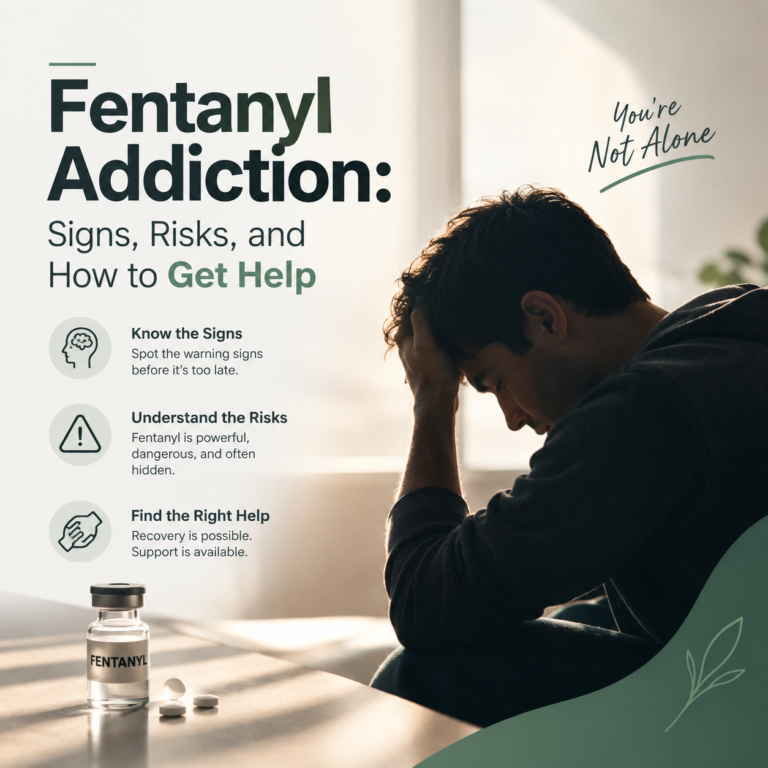

Opioid detox with 24 hour supervision means getting through opioid withdrawal in a setting where medical staff can watch, treat, and respond around the clock. That matters because withdrawal can turn from miserable to risky fast, especially in the first few days, and the right detox program can protect your safety while setting up the next step in treatment.
What opioid detox with 24-hour supervision actually means
Opioid detox is the short-term process of helping your body clear opioids while managing withdrawal symptoms. In plain language, it is the bridge between active opioid use and a more stable starting point for treatment. It is not a cure for opioid use disorder, and it is not the same thing as recovery.
The “24-hour supervision” part is what changes detox from white-knuckling it to medically managed care. Instead of trying to push through symptoms alone, you have round-the-clock nursing, regular vital sign checks, medication support, hydration help, symptom scoring, and a fast response if your condition worsens. That can include help for vomiting, dehydration, severe anxiety, insomnia, rising blood pressure, or dangerous complications tied to other substances.
Think of it like landing a plane in rough weather. Detox gets you safely onto the runway. It does not finish the whole trip, but it is a moment where skilled guidance matters a lot.
A good program also treats detox as the first step in a larger plan. If you want a wider overview of how this level of care works, it helps to understand what medically managed withdrawal actually involves. Good news, this is easier to understand than it sounds: detox stabilizes the body, then ongoing treatment helps protect the progress.
Why this level of care matters during the first few days
The first few days are usually the hardest. Opioid withdrawal symptoms can begin 4 to 12 hours after the last dose of a short-acting opioid, but can be delayed 24 to 48 hours after stopping a longer-acting opioid such as methadone. After symptoms begin, withdrawal typically peaks within 24 to 48 hours of onset and can last several days with short-acting opioids or up to two weeks with methadone.
That timing is a big reason supervised detox exists. People often feel bad, then much worse, then suddenly feel desperate enough to leave care or use again. In many cases, the risk is not that opioid withdrawal itself will be fatal. The risk is what happens during the worst window: dehydration, collapse in motivation, relapse, or an emergency tied to alcohol, benzodiazepines, or another medical condition.
What opioid withdrawal feels like, and why it can change fast
Opioid withdrawal usually feels like a hard collision between flu symptoms, panic, and insomnia. Nausea, vomiting, diarrhea, sweating, chills, goosebumps, muscle aches, stomach cramping, watery eyes, runny nose, restlessness, anxiety, and intense cravings are all common. Sleep is often poor or nearly impossible. Time drags.
The uncomfortable part is obvious. The tricky part is how quickly symptoms can build. Hospital for Special Surgery notes that symptoms can include flu-like illness, anxiety, insomnia, nausea, vomiting, diarrhea, and increased heart rate and blood pressure. What starts as “I feel awful” can shift into “I cannot keep fluids down” or “I am about to leave and use.”
MedlinePlus states that opioid withdrawal symptoms are very uncomfortable but are not life threatening. That line is true, but it can be misleading if read too casually. Severe vomiting and diarrhea can cause dehydration and electrolyte problems. Vomiting raises aspiration risk. And if someone returns to opioid use after even a short detox period, overdose risk goes up because tolerance drops quickly.
That last point matters more than many families realize. MedlinePlus warns that most opiate overdose deaths occur in people who have just detoxed because withdrawal lowers tolerance. So detox is not only about getting through today. It is also about protecting the days right after discharge.
Why fentanyl, high tolerance, and polysubstance use raise the stakes
Modern opioid detox is often more complicated than people expect, mostly because fentanyl has changed the picture. Fentanyl has been described as 30 to 40 times more potent than heroin by weight, and heavy exposure can make withdrawal harder to predict and harder to treat smoothly. Induction onto medications like buprenorphine may require careful timing, especially when recent fentanyl use is involved.
High tolerance adds another layer. People using large amounts every day often need closer medication planning, more reassessment, and more support sticking with care through the peak withdrawal window.
Then there is polysubstance use, which is common, not rare. If opioids are mixed with alcohol, benzodiazepines, cocaine, or stimulants, the detox plan gets more complex. Alcohol or benzodiazepine withdrawal can be medically dangerous on their own. Cocaine or methamphetamine can intensify agitation, insomnia, anxiety, and cardiovascular strain. In other words, the body is not withdrawing from one thing in isolation.
That is exactly why many people need a program experienced in safe care when more than one substance is involved. The extra supervision is not about being dramatic. It is about matching the level of care to a more complicated reality.
What happens in a medically supervised detox program
A medically supervised detox program usually starts with intake and assessment. Staff ask what substances you used, how much, how often, when you last used, whether you have overdosed before, what withdrawal has looked like in the past, and whether you have any medical or mental health conditions. They also check medications, pregnancy status when relevant, and immediate safety risks.
Then comes screening and monitoring. Many programs use the Clinical Opiate Withdrawal Scale, or COWS, to measure symptoms and track whether withdrawal is getting worse or improving. This helps clinicians decide when to start certain medications and whether the plan needs to change. It sounds technical, but the goal is simple: do not guess when someone is clearly getting sicker.
Care during detox is practical. You may receive medication for withdrawal, fluids, nutrition support, help sleeping, treatment for nausea or diarrhea, and reassurance during rough periods. You are checked repeatedly, not just once at admission. Good programs reassess symptoms throughout the day and overnight because withdrawal does not follow business hours.
There is also mental health screening. MedlinePlus recommends checking people in opioid detox for depression and other mental illnesses because treating those conditions can reduce relapse risk. That is a smart standard. Withdrawal strips away a lot of coping, so untreated depression, panic, trauma symptoms, or suicidal thinking can become more visible fast.
Medications that may be used to ease withdrawal
The two main evidence-based medications for opioid withdrawal and ongoing opioid use disorder treatment are buprenorphine and methadone. They are not “trading one drug for another.” They are medical tools that reduce withdrawal, lower cravings, and make it much more possible to stay in treatment.
MedlinePlus says buprenorphine can treat opiate withdrawal and shorten detox length. It is often a strong option for many patients, though timing matters, especially with recent fentanyl exposure. Methadone can also be used during detox and may be especially useful for people with high opioid tolerance or severe dependence. MedlinePlus identifies methadone as a medicine that relieves withdrawal symptoms and helps with detox.
Clonidine, and in some settings lofexidine, may help with sweating, agitation, anxiety, and some body symptoms. But there is a limit to what they do. They can ease parts of withdrawal, yet they do not address cravings the way buprenorphine or methadone can.
Naltrexone belongs later in the process. Dr. Lakshit Jain said naltrexone should only be started after medically supervised withdrawal because taking it too soon can trigger sudden, severe withdrawal if opioids are still in the system.
If you want a deeper look at this treatment approach, it helps to read about how medication-based detox support can reduce withdrawal strain. For many people, medication is what turns detox from unbearable into manageable.
What 24-hour monitoring looks like in real life
In real life, supervision is not just someone “being available.” It means nurses or clinical staff are actively checking on you, including overnight. Your blood pressure, pulse, temperature, hydration status, and symptom severity are monitored regularly. If you are vomiting, shaking, cramping, panicking, or unable to sleep, someone responds.
It also means watching for the moments people often do not plan for. Maybe withdrawal escalates suddenly at 2 a.m. Maybe you cannot keep fluids down. Maybe you want to leave because the cravings spike. Maybe your symptoms suggest another substance is involved, or a psychiatric crisis is surfacing. Good detox care catches those changes early instead of reacting late.
In higher-risk cases, programs may need to transfer a patient to a hospital or a higher medical level of care. That is not a failure. That is exactly what safe supervision is supposed to do.
Who most likely needs inpatient or 24-hour detox
Not every person stopping opioids needs inpatient detox. Some people with mild withdrawal, stable health, strong support, and a clear outpatient medical plan can be treated at a lower level of care. But many people searching for opioid detox with 24 hour supervision are not in that category.
This level of care is often the better fit when there is severe opioid dependence, fentanyl exposure, repeated relapse, a failed taper, heavy daily use, unstable medical symptoms, active psychiatric symptoms, pregnancy, or no safe place to detox. It is also a strong match when someone has a history of leaving treatment early once withdrawal gets worse.
There is real-world support for this kind of decision-making. In a New York insurance appeal, state reviewers found medically supervised inpatient detoxification and withdrawal management were medically necessary for a patient with opioid and stimulant use, prior relapses, rising withdrawal scores, and a pattern of heavy heroin or fentanyl and cocaine use. That case is not everyone, but it reflects a common truth: some people simply cannot be managed safely at a lower level of care.
If the opioid involved is heroin or fentanyl, the need for closer observation may be even clearer. Many families benefit from learning more about why clinical monitoring is often safer during heroin withdrawal before choosing a setting.
Signs a lower level of care may not be enough
Some red flags deserve serious attention. Severe vomiting, inability to keep fluids down, fainting, a racing heart, recent overdose, intense cravings with a high risk of immediate return to use, co-occurring alcohol or benzodiazepine withdrawal, active depression, suicidal thoughts, psychosis, pregnancy, or no safe place to stay all push the balance toward supervised care.
UConn Health advised that people with severe symptoms such as racing heart, fainting, or difficulty breathing should go to the nearest emergency room. That is a useful line in the sand. Good news, you do not need to figure this out perfectly on your own. The goal is not to prove toughness. The goal is to get the right level of help before things spiral.
Rapid detox, at-home detox, and other options people ask about
People often search for a faster way through withdrawal. Rapid detox, especially anesthesia-based detox, promises speed, but the catch is that speed is not the same thing as safety. Putting someone under anesthesia while forcing withdrawal is controversial because it can carry significant medical risk and does not solve the underlying disorder. Even if the acute withdrawal period feels shorter, relapse risk remains if there is no strong follow-up treatment.
At-home detox sounds more comfortable, but comfort on paper is not the same as safety in practice. MedlinePlus states that withdrawing from opiates or opioids on your own can be very hard and may be dangerous. Home detox also removes the immediate backup that matters when symptoms intensify, dehydration sets in, or cravings lead to rapid return to use.
There are also newer adjuncts being studied in hospital settings. For example, a current pilot trial is testing a wearable neurostimulation device for hospitalized adults undergoing opioid withdrawal, but participants still receive standard medical withdrawal care. That is the right way to think about innovation here: as a possible add-on, not a replacement for evidence-based detox.
Is opioid detox at home ever a good idea?
Sometimes, yes, but only in select low-risk situations with professional guidance. A person with lower dependence, stable health, no alcohol or benzodiazepine use, reliable support at home, and a clear medical plan may be able to withdraw outside an inpatient unit. Even then, close follow-up matters.
But many people looking up this topic are dealing with fentanyl, repeated relapse, strong cravings, or more than one substance. For them, home detox is often a bad gamble. Symptoms can escalate quickly, and the first serious mistake may be going back to the same dose they used before detox.
Why detox alone is not the same as recovery
Detox manages withdrawal. Recovery requires ongoing treatment.
That distinction matters because the body may be more stable after detox, but the disorder itself is not “fixed.” UConn Health describes treatment for opioid use disorder as multifocal, combining medications such as buprenorphine or methadone with psychotherapy, behavioral interventions, mutual-help groups, and recovery services. That is the model that lowers relapse and overdose risk over time.
A detox program should not discharge you with only a handshake and a list of phone numbers. It should connect you directly to the next level of care.
What should happen right after detox
The best detox programs start discharge planning early, often within the first day. They are already thinking about where you go next: residential treatment, partial hospitalization, intensive outpatient care, office-based buprenorphine treatment, a methadone program, therapy, peer support, recovery coaching, or case management.
That handoff is a big deal. A warm transition, where appointments are scheduled and the next program is expecting you, is much stronger than a vague suggestion to “follow up.” Momentum matters in addiction treatment. If there is a gap, relapse often fills it.
This is also where programs should tailor the plan to the whole picture. Someone with unstable housing may need case management and residential support first. Someone with a strong home base may do well with outpatient medication treatment and therapy. Someone withdrawing from opioids plus prescription sedatives may need a center that understands how to evaluate drug-specific detox needs safely.
How detox links to medication treatment and relapse prevention
Starting or continuing medication treatment after detox can be lifesaving. Buprenorphine and methadone do more than ease withdrawal. They lower cravings, help stabilize daily life, and reduce the chance of relapse. For many patients, staying on medication is not a backup plan. It is the plan.
The overdose risk after detox is one of the strongest reasons to keep care going. Once tolerance falls, returning to a previous dose can be fatal. That is why discharge planning should include naloxone, family education, a written follow-up plan, and clear medication arrangements when indicated.
Good programs also make sure families understand what to watch for. A person who “looks better” after detox may still be at very high risk if they are not linked to treatment right away.
What families should ask before choosing a detox program
Families do not need perfect medical vocabulary to ask smart questions. They need clear ones. Ask whether the program has 24-hour nursing, how often patients are checked overnight, whether a prescriber is available every day, and how the team handles worsening withdrawal or dehydration.
Ask whether the center has experience with fentanyl and polysubstance withdrawal. Ask if they use buprenorphine or methadone when appropriate, how they screen for depression and anxiety, and where patients go if they need a higher level of medical care. Ask what happens after detox, not just during it.
Those questions tell you a lot. A strong program will answer directly and explain the process without dodging specifics.
Good signs that a program is built around safety
Reassuring signs are pretty practical. Evidence-based medications are available. Withdrawal is tracked with a clear protocol. Patients are reassessed regularly, not just admitted and observed from a distance. Co-occurring mental health needs are taken seriously. The program knows how to respond to fentanyl exposure and mixed-substance use. Emergency transfer options are clear. Discharge planning starts early.
A trauma-aware approach also matters. People do better when care is calm, respectful, and organized. You should feel that the program is trying to keep someone safe and comfortable, not simply get them through a hard few days.
What matters most when you need help now
The main takeaway is simple: opioid detox with 24 hour supervision matters most when withdrawal may be severe, unpredictable, or unsafe to manage at home. The strongest programs do two things well at the same time, they protect you during the acute withdrawal window and they build a real plan for what comes next.
If you are deciding between trying to detox at home and getting supervised care, lean toward professional evaluation, especially with fentanyl exposure, polysubstance use, repeated relapse, or serious symptoms. Safe detox is not the finish line. It is the first solid step toward treatment that can actually last.