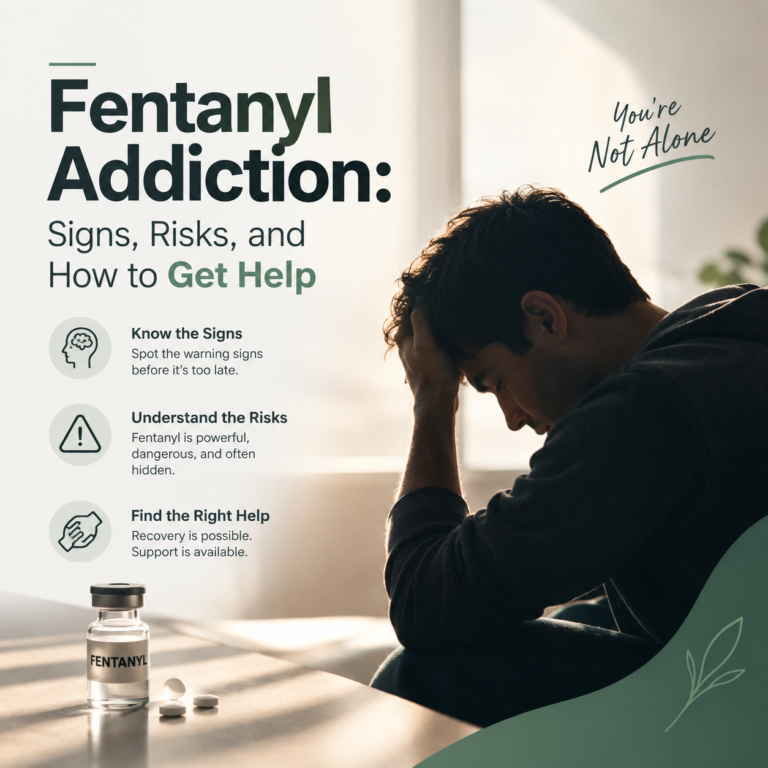

You’re transitioning from residential care into an outpatient program for sustained recovery, and you want to build on the progress you’ve already made. A structured step-down approach like partial hospitalization programming (PHP) or an intensive outpatient program (IOP) can help you maintain momentum, integrate new coping skills, and stay connected with support networks as you re-enter daily life.
In this article you’ll learn how PHP and IOP programs work, how to organize your daily schedule, which evidence-based therapies you’ll receive, and how to involve family and prevent relapse. You’ll also see a side-by-side comparison of PHP and IOP, plus tips for sustaining long-term recovery once formal treatment wraps up.
Understanding step-down care
Step-down care bridges the gap between 24-hour residential treatment and independent recovery. It offers structured programming without requiring you to live on-site. Two common levels are partial hospitalization programming (PHP) and intensive outpatient programming (IOP).
Recognizing partial hospitalization programming
PHP provides five to six hours of therapy per day, five to six days a week. It often follows residential treatment to stabilize early recovery and build daily routines. You’ll participate in group sessions, individual counseling, psychoeducation workshops and sometimes medication-assisted treatment (MAT) all under medical supervision. PHP is ideal if you need more support than standard outpatient care but want to live at home or in a sober living residence [1].
Recognizing intensive outpatient programming
IOP offers about three hours of treatment per day, three to five days a week. It focuses on relapse prevention, coping skills and rebuilding relationships while you maintain work, school or family responsibilities. IOP is best if you’re medically stable, don’t require 24-hour supervision and want flexibility in your schedule [1].
Starting your outpatient journey
Before you begin, you’ll complete a comprehensive assessment to tailor your plan to your needs, lifestyle and recovery goals.
- Initial evaluation
Your care team will review your clinical history, co-occurring mental health concerns and social support. - Personalized treatment plan
Expect a combination of individual therapy, group sessions and medication management if needed. - Insurance verification
Confirm coverage for partial hospitalization program for addiction or php addiction program accepting insurance. - Scheduling and logistics
Choose session times that fit early morning, daytime or evening hours to balance work and family. - Referral coordination
If you’re leaving residential care, your case manager can facilitate a seamless transition into structured outpatient addiction care at facilities like Recovery at the Crossroads in Blackwood, New Jersey, where you’ll receive integrated support for physical, mental and emotional health [2].
Structuring your daily program
A consistent routine helps you reinforce new habits and manage triggers. Here’s how to design your week.
Designing a weekly schedule
- Monday to Friday
- Morning check-in or MAT dosing
- Individual counseling or therapy group
- Psychoeducation workshop (relapse prevention, life skills)
- Evenings or weekends
- Peer support meetings (12-Step or alternatives)
- Family sessions or check-ins
- Self-care activities (exercise, meditation)
Balancing responsibilities
- Work or school
Schedule sessions early or late to minimize absences. - Family and social life
Plan weekly family meetings or educational workshops to rebuild trust. - Self-care
Block out time for sleep, healthy meals and enjoyable hobbies to support resilience. - Community engagement
Participate in sober events or volunteer work to strengthen accountability.
Many programs also offer a day treatment program for addiction structure to help you stay on-track without interrupting daily life.
Integrating evidence-based therapies
You’ll benefit from multiple therapeutic approaches proven to support recovery.
- Cognitive-behavioral therapy
Helps you identify and modify unhelpful thoughts, reduce cravings and cope with triggers. - Motivational interviewing
Strengthens your commitment to change by exploring ambivalence and setting goals. - Medication-assisted treatment
Combines FDA-approved medications—methadone, buprenorphine or naltrexone—with counseling to ease withdrawal and curb cravings [2]. - Group therapy
Provides peer support, accountability and practice in communication skills. - Individual therapy
Addresses underlying trauma, co-occurring disorders or personal triggers.
Your program may offer specialized tracks like php with dual diagnosis support or iop with evidence-based treatment to ensure you get the care you need.
Preventing relapse proactively
A solid relapse prevention plan is central to sustained recovery.
- Identify triggers
List situations, emotions or people that increase your urge to use. - Develop coping strategies
Practice relaxation techniques, urge-surfing or mindfulness. - Build a support network
Keep in touch with sponsors, peers or mentors through phone calls or meetings. - Set warning signs
Recognize early signs of relapse—sleeplessness, isolation or defensiveness—and act quickly. - Engage in aftercare
Enroll in an outpatient alumni program or ongoing IOP sessions as needed.
Consider enrolling in a php with relapse prevention track to reinforce these skills in a clinical setting.
Engaging family support
Family involvement boosts accountability and helps repair relationships.
- Family education
Learn about addiction, recovery stages and how to support you without enabling. - Structured family sessions
Join regular meetings facilitated by a therapist to improve communication. - Ongoing check-ins
Schedule weekly calls or video visits to share progress and challenges. - Boundary setting
Work with your family to define healthy limits and mutual expectations.
Many programs feature iop with family involvement options so your loved ones can be active partners in your recovery.
Comparing PHP and IOP
Here’s a quick overview to help you decide which step-down level fits your needs:
| Feature | PHP | IOP |
|---|---|---|
| Time commitment | 5–6 hours per day, 5–6 days per week | 3 hours per day, 3–5 days per week |
| Intensity | High, structured medical oversight | Moderate, flexible scheduling |
| Ideal for | Early recovery stabilization, complex co-occurring needs | Transitioning to daily life, stable medical status |
| Typical duration | 4–12 weeks | 3–6 months (may extend beyond a year) |
| Therapies included | Group, individual, MAT, psychoeducation | Group, individual, relapse prevention, psychoeducation |
| Living arrangement | Home or sober living | Home, work or school |
| Referral source | Often follows residential care | After PHP or as standalone outpatient option |
Sustaining long-term recovery
Completing PHP or IOP is a major milestone, but ongoing care keeps you on track.
- Continued care programs
Many facilities offer alumni groups or weekly IOP check-ins to maintain structure. - Peer networks
Stay active in peer-led groups—12-Step, SMART Recovery or faith-based fellowships. - Aftercare planning
Review your plan regularly with a counselor to adjust goals and address new challenges. - Community resources
Seek sober living, job support or educational workshops in your area. - Accountability partners
Maintain regular contact with a sponsor, mentor or recovery coach.
Research shows that completing your full course of treatment and engaging in aftercare significantly improves outcomes [3]. By staying connected to supportive programs and networks, you’ll maximize your progress and enjoy a sustained, drug-free life.
Your journey from residential care into an outpatient program for sustained recovery is a powerful step toward long-term wellness. With structured programming, evidence-based therapies, proactive relapse prevention, and family engagement, you’ll build the skills, confidence, and community you need to thrive, especially when supported by an alcohol rehab detox process.