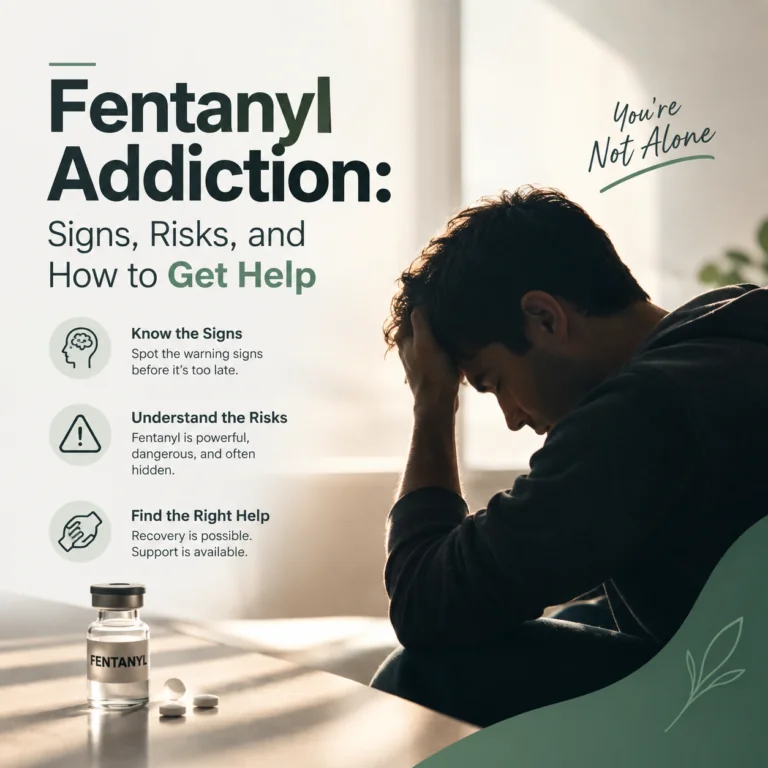

Detox for polysubstance addiction is the medically supervised process of helping your body stabilize after using two or more substances together or in overlapping patterns. It matters because mixed withdrawal is less predictable, often more dangerous, and much harder to manage safely at home than people expect. This guide explains what safe care actually looks like, what the first day involves, when medical detox is urgent, and how detox connects to longer-term treatment that protects the progress you make.
What detox for polysubstance addiction really means
Polysubstance addiction means a person is regularly using more than one substance, either at the same time or in a pattern that overlaps enough to affect withdrawal, cravings, safety, and treatment decisions. That can mean alcohol plus benzodiazepines, opioids plus stimulants, prescription pills plus alcohol, or several substances used on different days but close enough together that the body is still dealing with all of them.
Detox is the first stage of care, not the whole thing. The goal is medical stabilization: getting someone through withdrawal as safely and comfortably as possible, reducing immediate danger, and preparing them for the next level of treatment. As NIDA explains, detoxification is not the same as treatment and detox alone without follow-up generally leads to resumed drug use. That is not bad news. It is actually helpful because it sets the right expectation from the start.
This need is far from rare. In a large U.S. sample, having 2 substance use disorders among adults with any substance use disorder ranged from 19.2% to 44.9%. In some drug-specific groups, the overlap was even higher. Among adults with methamphetamine, cocaine, or hallucinogen use disorder, 3 or more substance use disorders ranged from 48.2% to 72.0%. In plain English, many people who show up needing detox are not dealing with one drug in isolation.
That changes everything about safe care.
Why detox gets riskier when more than one substance is involved
When more than one substance is in the picture, withdrawal does not follow a neat script. Symptoms can overlap, hide each other, or appear in waves. Someone might look mostly sedated, but also be developing dangerous alcohol or benzodiazepine withdrawal underneath. Another person may be exhausted from stimulant use while also heading into opioid withdrawal, which brings a different set of physical and emotional symptoms. The body does not separate these into tidy categories just because we do.
The medical risk rises because different substances affect breathing, blood pressure, heart rhythm, hydration, temperature regulation, sleep, mood, and judgment in different ways. Some combinations increase sedation. Others stress the heart. Some make seizures more likely. Some create a crash in mood that can feel unbearable within hours. The AMA says the overdose epidemic is increasingly complex because it is driven by mixing opioids with other substances and by an unpredictable illicit drug supply. Safe detox has to respond to that complexity, not pretend every case works like a single-substance withdrawal plan.
If you want a broader foundation for how supervised stabilization works, it helps to understand what medical withdrawal care actually involves. The core idea is simple: clinicians monitor risk in real time and adjust care as symptoms change.
The main danger is not just discomfort
People often describe detox as miserable, and that can be true. But the bigger issue is not feeling awful. It is what can happen while someone is feeling awful.
Alcohol and benzodiazepine withdrawal can lead to seizures, delirium, dangerous spikes in blood pressure, severe agitation, and confusion. Opioid withdrawal is usually less likely to be fatal on its own, but it can bring intense cravings, dehydration, vomiting, diarrhea, insomnia, panic, and a fast return to use if symptoms are not treated. Stimulant withdrawal can involve depression, exhaustion, agitation, and suicidal thinking. When these states overlap, medical teams have to keep watching for the symptom that matters most right now, not just the one the patient notices first.
There is also the period after detox. Once tolerance drops, the same amount a person used before can become far more dangerous. That is why relapse after detox is not just disappointing. It can be deadly.
Street drugs and pill supplies are often unpredictable
Here is the catch: many people do not actually know everything they have been taking. Street pills may contain fentanyl. Powdered drugs may be mixed with other substances. A person may believe they are withdrawing from one drug while their body is reacting to two or three. That makes self-detox risky because the plan is based on incomplete information from the start.
The current drug supply is one reason clinicians push for supervision instead of home guesswork. The AMA warns that illicitly manufactured fentanyl and polysubstance use continue to put patients at risk, even as overdose deaths have improved overall. Better numbers do not mean lower individual risk if the supply is contaminated or inconsistent.
Signs you may need medical detox now, not later
Some people can wait a day or two for an assessment. Some should not.
You may need urgent professional evaluation if you have been drinking heavily every day, using benzodiazepines regularly, taking opioids and cannot go more than a few hours without getting sick, mixing alcohol with pills, using more than one sedating substance, or having withdrawal symptoms that are escalating instead of settling down. The same is true if you have chest pain, shortness of breath, confusion, hallucinations, fever, repeated vomiting, dehydration, suicidal thoughts, or a history of seizures during withdrawal.
Families should take these signs seriously. Good news, this part can be simpler than it sounds. If there is any doubt about alcohol, benzodiazepines, opioids, or mixed-substance withdrawal, getting a medical assessment is safer than trying to sort it out at home.
Withdrawal from alcohol or benzodiazepines needs close supervision
Alcohol and benzodiazepines are in the category that worries clinicians most during detox. Both can produce dangerous withdrawal, especially after heavy or long-term use. Cutting back on your own may sound reasonable, but the brain can react violently when these substances are reduced too quickly. Seizures, delirium, severe agitation, and unstable vital signs are the reason supervised detox exists.
This is why people searching for the right setting often focus on how to find a safer benzodiazepine withdrawal program or what to expect from medical support during alcohol withdrawal. The safest programs do not rely on guesswork or “see how you do overnight.” They monitor closely and taper carefully when indicated.
Opioid detox needs planning, not just willpower
Opioid withdrawal can make a person desperate to use again, even when they badly want to stop. The symptoms can include vomiting, diarrhea, body aches, restlessness, anxiety, sweating, sleeplessness, and powerful cravings. People often hear that opioid withdrawal is “not usually fatal,” then assume that means home detox is fine. But that misses the real risk: rapid relapse, worsening dehydration, and overdose after a return to use.
Research and national guidance are very clear here. NIDA says medication should be the first line of treatment for opioid addiction, usually alongside counseling or behavioral support. And ASAM says opioid withdrawal management by itself is not treatment and detox alone carries a high risk of relapse, overdose, and overdose death. That is why a planned approach, often including medication, works better than white-knuckling through it.
Mental health symptoms raise the level of care needed
Detox should never treat panic, psychosis, severe depression, trauma reactions, confusion, or suicidal thoughts as side issues. Those symptoms can shape every part of the detox plan, including medication choices, observation level, and where care should happen.
This overlap is common. In 2023, 20.4 million U.S. adults had both a mental illness and at least one substance use disorder. That means programs that skip mental health screening are missing a huge part of what makes detox safe or unsafe. If behavior changes fast during withdrawal, the level of care should rise, not wait.
What safe care looks like on day one
The first 24 hours matter because they set the entire course of detox. Strong programs do not rush straight to medication or hand out a generic plan at intake. They start by figuring out what substances are involved, when the last use happened, what withdrawal risks are likely, what medical and psychiatric history is already in play, and what kind of setting is actually safest.
That may sound formal, but it is really just organized common sense. If someone used alcohol heavily, took alprazolam regularly, and also used fentanyl two days ago, the detox plan should look very different from the plan for someone using cocaine and alcohol on weekends with mild symptoms and strong home support.
A full assessment guides the detox plan
A careful detox assessment usually includes vital signs, a detailed substance history, medical history, current prescriptions, prior withdrawal complications, mental health symptoms, pregnancy status when relevant, and lab work when needed. Clinicians may use structured withdrawal scales, but they also pay attention to the overall picture because polysubstance cases rarely fit one score neatly.
Medication review matters more than many families realize. Prescribed sleep medications, anxiety medications, pain medications, stimulants, or seizure medications can all affect detox choices. So can liver disease, heart conditions, diabetes, infections, and recent head injury.
No two polysubstance patterns are exactly alike. That is why individualized planning beats a one-size-fits-all protocol every time.
Triage decides the safest setting
After assessment, clinicians triage the patient into the safest level of care. That could mean inpatient detox, hospital-based treatment, or in carefully selected lower-risk cases, outpatient monitoring. The decision depends on seizure history, unstable vital signs, pregnancy, heavy alcohol or benzodiazepine use, severe psychiatric symptoms, co-occurring illness, prior complicated withdrawal, and whether there is reliable support at home.
This is also where opioid-specific planning becomes clearer. For many patients, 24-hour supervised opioid withdrawal care is the safer entry point, especially if fentanyl exposure, benzodiazepine use, or repeated relapse is part of the picture.
The medicines and monitoring that make detox safer
Detox is not just waiting for substances to leave the body. It is active medical management. Clinicians lower risk through monitoring, hydration, nutrition, medication, rest, and symptom relief, then keep adjusting as the body changes over hours and days.
That active approach matters because withdrawal can accelerate quickly. A person who looks stable in the morning may be shaky, vomiting, panicked, hypertensive, or confused by evening. Safe programs keep watching instead of assuming the first impression was the full story.
How clinicians manage alcohol and benzodiazepine withdrawal
Alcohol and benzodiazepine withdrawal are usually treated with close monitoring and supervised medication protocols designed to reduce seizure and delirium risk. The exact plan depends on what was used, how much, for how long, and what other substances are involved. Sometimes clinicians use a tapering approach. Sometimes they use symptom-triggered medication based on frequent reassessment. Either way, it should be supervised.
The reason is simple: these are withdrawals where doing too little can be dangerous, but doing too much can also cause oversedation, especially when other drugs are in the system. In polysubstance detox, balance matters.
How opioid withdrawal is treated
For opioid withdrawal, medication often makes the difference between a person staying in care and leaving early in misery. NIDA lists methadone, buprenorphine, extended-release naltrexone, and lofexidine among medications used in opioid treatment and withdrawal care, and ASAM says methadone or buprenorphine are preferred over abrupt opioid cessation because stopping suddenly increases cravings and relapse risk.
Buprenorphine and methadone are not “replacing one drug with another.” They are evidence-based medications used to stabilize the brain and body, reduce withdrawal, lower illicit opioid use, and cut overdose risk. That distinction matters. If fentanyl exposure is suspected, clinicians may also need to adjust timing and induction strategy carefully, which is why many people benefit from a withdrawal plan built around fentanyl-era risks.
Comfort care still matters
Comfort is not a luxury in detox. It is part of what helps people stay long enough to get through the dangerous part.
Fluids, electrolyte support, nausea relief, help with diarrhea, pain control, sleep support, nutrition, and a calm environment can all improve outcomes. NIDA notes that withdrawal can include restlessness, sleeplessness, depression, anxiety, and other mental health symptoms, so comfort care is not just physical. Lower stimulation, reassurance, and respectful staff behavior matter too. People do better when they feel safe.
Why detox plans must be individualized for mixed substance use
A standard detox protocol can work well for a single, straightforward substance pattern. Polysubstance use is rarely straightforward.
Clinicians often have to prioritize the most dangerous withdrawal first while still accounting for cravings, sedation risk, dehydration, mental health symptoms, and the patient’s history of relapse. That may mean treating alcohol or benzodiazepine withdrawal as the immediate medical priority while also planning opioid medication support. Or it may mean slowing down because a person is more medically fragile than they first appeared.
This patient-by-patient approach matches the evidence. Researchers studying polysubstance disorders concluded that treatment should emphasize low-barrier access, integrated care models, and tailored, patient-centered approaches. In real life, that means the plan should fit the person, not force the person to fit the plan.
Common substance combinations need different strategies
Alcohol plus benzodiazepines is one of the combinations that often calls for close inpatient supervision because both substances can create dangerous withdrawal and both affect sedation. Opioids plus stimulants can produce a mix of crash symptoms, cravings, exhaustion, agitation, and shifting heart-related concerns. Opioids plus alcohol can raise sedation and respiratory risk while also complicating medication choices.
Even stimulant-heavy cases need thoughtful monitoring. There are specific challenges in medically supported stimulant withdrawal, especially when depression, sleep disruption, or opioid use are also present. And for stimulants or cannabis, NIDA reports that no medications are currently available to assist treatment, so care relies mainly on behavioral therapies. That does not mean “nothing can be done.” It means support focuses more on monitoring, structure, symptom management, and continued treatment planning.
Your medical and trauma history changes the plan
Medical history can completely change detox strategy. Liver disease may affect medication selection. Heart issues may change monitoring needs. Chronic pain can complicate opioid decisions. Pregnancy often raises the level of care. A past seizure, delirium episode, or psychosis during withdrawal should always shape the plan from the start.
Trauma history matters too. In follow-up research after inpatient opioid detox, patients with low income, daily opioid use, substance-induced psychosis, childhood trauma, physical neglect, dissociation, and high craving had shorter treatment adherence or abstinence durations. That finding matters because it shows why safe detox must look beyond the first few days. Trauma, instability, and craving do not stay politely outside the detox unit door.
Inpatient vs outpatient detox for polysubstance addiction
The right setting depends on risk, not preference alone. Some people hear “outpatient” and think easier. Others hear “inpatient” and think excessive. Neither reaction is very useful. The better question is simpler: where can this person detox safely?
Outpatient detox can work for selected lower-risk patients. Inpatient detox is often the safer choice when symptoms could escalate fast, when multiple sedating substances are involved, or when home is not a stable place to recover.
When inpatient detox is usually the safer choice
Inpatient detox is generally the better fit when someone has severe withdrawal risk, unstable health, heavy alcohol or benzodiazepine use, multiple sedating substances involved, co-occurring psychiatric symptoms, pregnancy, a history of complicated withdrawal, or very little support at home. It is also a good choice when someone has relapsed repeatedly during prior home attempts.
This is not about punishment. It is about keeping watch when the body is most vulnerable.
When outpatient detox may be appropriate
Outpatient detox may be reasonable in lower-risk situations, especially when symptoms are expected to be mild to moderate, medical risk is lower, housing is stable, and reliable support is in place. But even then, “outpatient” should still mean medical oversight, scheduled follow-up, access to medications when indicated, and a clear plan for what happens if symptoms worsen.
The research on home detox is still thin. A 2025 review found the evidence base for home-based detoxification from alcohol and other substances remains very limited. Programs that use home detox safely usually reserve it for lower-risk patients with stable housing, a support person, and no history of severe withdrawal or serious psychiatric illness. That is a narrow group, honestly, and many polysubstance cases fall outside it.
Mental health care is part of safe detox, not an extra
Mental health symptoms often intensify during withdrawal. Anxiety can spike. Depression can deepen. Trauma reactions can flare up when substances are removed. Sleep can fall apart. Some people become fearful or hopeless. Others become confused or paranoid. Detox programs that ignore this are missing a large part of what determines whether someone stabilizes or walks out early.
The overlap is enormous. According to SAMHSA, 33.0% of adults had either any mental illness or a substance use disorder in 2024. And as NIDA emphasizes, the best treatment programs address the whole person, including medical, mental, social, family, and legal needs. Safe detox should start doing that on day one, not after discharge.
Dual diagnosis care helps people stay engaged
Dual diagnosis means a person has both a substance use disorder and a mental health condition. Integrated care treats both at the same time.
That matters because bouncing between separate systems often leads to missed appointments, mixed messages, and poor follow-through. If panic disorder, PTSD, bipolar symptoms, psychosis, or major depression are present, they need attention during detox, not just after it. People stay engaged more often when treatment makes sense to their actual life.
Families should not ignore behavior changes during withdrawal
Families often notice the warning signs before the patient does. Confusion, agitation, hopelessness, paranoia, emotional swings, inability to sleep for days, or talking about death should never be brushed off as “just detox.” These can be medical or psychiatric emergencies.
A calm response helps most. If someone becomes unconscious, call emergency services. If overdose is suspected, use naloxone if available. And if a person is severely confused, hallucinating, actively suicidal, or unable to keep fluids down, urgent medical care is the right move.
Detox is only the first step, and that is good news
Many families feel discouraged when they hear that detox is not a cure. Try looking at it another way. Detox does one job very well: it gets the body and brain stable enough to begin real treatment.
That is exactly why it matters so much. NIDA says detox without follow-up usually leads to resumed drug use, not because detox failed, but because addiction needs longer care than a few withdrawal days can provide. The same guide notes that relapse rates for substance use disorders are about 40% to 60%, similar to other chronic illnesses, and relapse should be treated as a signal to resume or change treatment rather than as failure. That is a healthier and more realistic way to think about recovery.
What usually comes after detox
After detox, the next step may be residential treatment, partial hospitalization, intensive outpatient care, outpatient therapy, medication treatment, recovery coaching, peer support, or a mix of these. The right level depends on withdrawal severity, relapse history, mental health needs, medical stability, and home support.
For opioid use disorder, continued medication treatment often has the strongest evidence. Medication-based care for opioid withdrawal and recovery support can bridge detox into longer-term stability. For alcohol use disorder, medication may also play a role, though it remains underused nationally.
Fast handoffs reduce the chance of relapse
The safest programs do not discharge someone with a phone number and hope for the best. They schedule the next step before discharge, confirm appointments, arrange transportation when possible, and make sure medications continue without a gap.
That matters because drop-off after detox is steep when handoffs are weak. In one follow-up study after inpatient opioid detox, only 36.5% attended follow-up in month one, 22.2% in month six, and 9.6% in month 12. The same research found that completion of the inpatient treatment program was associated with a markedly lower risk of relapse. Continuity is not a bonus feature. It protects lives.
Overdose prevention starts before discharge
One of the most dangerous periods in recovery can come right after detox. People often feel physically better, but their tolerance has dropped. If they return to the amount they used before, their body may no longer handle it.
This is especially true with opioids, alcohol, benzodiazepines, and fentanyl-exposed drug supplies. A person may believe they know their dose. The body disagrees.
Lower tolerance means old doses can become deadly
After detox, old habits become more dangerous because the body’s tolerance fades quickly. If relapse happens, the prior “usual amount” may be enough to slow or stop breathing. That risk is one reason the nation still takes overdose prevention so seriously. In 2023, 75.6% of overdose deaths were opioid-related and 72,776 were fentanyl-related.
For families, the message is straightforward. Feeling better after detox does not equal being safe from overdose. In some ways, the overdose risk is higher if treatment stops there.
A safe discharge plan includes naloxone and a relapse response plan
A strong discharge plan includes naloxone, clear instructions on how to use it, follow-up appointments, medication continuation when prescribed, and a practical plan for what to do if cravings or relapse happen. That plan should include who to call, where to go, and how to reduce harm if return to use occurs. Stigma makes people hide relapse. Good planning makes it survivable.
The AMA notes that naloxone remains life-saving in overdose response, with nearly 2 million naloxone prescriptions dispensed in 2024. People leaving detox should not have to earn overdose protection by proving perfect motivation.
What families can do that actually helps
Families often feel desperate to say the perfect thing. Honestly, the most helpful support is usually practical, calm, and specific.
People entering detox are often scared, physically unwell, ashamed, exhausted, or all four at once. A steady presence helps more than lectures. So does reducing friction around admission.
Helpful support looks calm, specific, and nonjudgmental
Offer transportation. Help gather insurance cards, ID, medication bottles, phone numbers, and a simple list of recent substances used if the person can provide it. Arrange childcare if needed. Bring comfortable clothing. Encourage medical evaluation without arguing every past mistake.
Shame and ultimatums often backfire because they increase secrecy. Clear boundaries are still fine, but the tone matters. “We’re getting you safe care today” usually works better than “You caused this, now fix it.”
Ask these questions before choosing a detox program
Families should ask whether the program has 24/7 medical staffing, physician oversight, experience with alcohol, opioids, benzodiazepines, and mixed-substance detox, medication options for opioid use disorder, mental health screening, and a real discharge plan into residential or outpatient care. They should also ask what happens if symptoms worsen overnight, how the program handles seizure risk, and whether naloxone and follow-up appointments are part of discharge.
Those are not picky questions. They are the difference between basic monitoring and genuinely safe care.
Paying for detox and getting in quickly
Access is one of the biggest barriers, especially when someone needs help now. The frustrating part is that people often delay detox while trying to sort out insurance, work, or logistics, even when symptoms are already risky.
Try not to let paperwork become the reason treatment waits. SAMHSA reports that 48.4 million people had a past-year substance use disorder in 2024, yet only 19.3% received substance use treatment. Delay is part of that gap. The best response is low-friction access: same-day or next-day assessment whenever risk is high, insurance verification done quickly, and a clear admission path.
Good programs make the admission process simple
A strong detox program usually starts with a phone screening, fast insurance verification, and a same-day assessment when symptoms suggest real risk. Staff should tell you what to bring, what medications to report, and what not to delay over. If alcohol, benzodiazepines, opioids, or mixed-substance withdrawal may be involved, the safest move is evaluation first, details second.
If you are trying to find care quickly, SAMHSA says people can use FindTreatment.gov, call 800-662-HELP, or contact 988 for crisis support. Those are good starting points when immediate guidance is needed.
Common questions about detox for polysubstance addiction
People looking for detox usually want plain answers, not vague reassurance. A few questions come up again and again because this process can feel uncertain until you understand the basics.
How long does polysubstance detox take?
There is no one timeline because the length depends on the substances used, how much was used, how long use has been going on, the last use, medical history, and whether long-acting drugs are involved. Some detox stays are a few days. Others take a week or longer. Alcohol and benzodiazepine withdrawal can require more extended monitoring, and opioid medication planning may continue beyond the initial detox window.
The honest answer is that detox lasts as long as it takes to get you medically stable and safely connected to ongoing care. Promising an exact number too early is usually a sign that the program is oversimplifying the problem.
Can you detox at home?
Sometimes, but many people should not. Home detox can be dangerous when alcohol, benzodiazepines, heavy opioid use, severe symptoms, prior seizures, mental health concerns, pregnancy, or multiple substances are involved. Even in lower-risk cases, home detox should still involve medical guidance, close follow-up, and a clear backup plan if symptoms worsen.
For polysubstance addiction, home detox is often riskier than it first appears because the withdrawal pattern may be less predictable than the person expects. Medical advice should come first.
Will detox cure addiction?
No. Detox makes the body safer and more stable, which is a big first win, but lasting recovery usually needs ongoing treatment and support afterward. That may include medication, therapy, residential treatment, outpatient care, peer support, or several of these combined.
The good news is that detox does not have to do everything. Its job is to help you survive withdrawal safely and start the next phase with a clearer mind and a stronger plan.
A simple next step if you are deciding today
Safe detox for polysubstance addiction means more than getting through a rough few days. It means medical supervision, physician-guided planning, symptom relief, mental health screening, overdose prevention, and a direct move into residential or outpatient treatment that keeps recovery going.
If there is any real risk of alcohol, benzodiazepine, opioid, or mixed-substance withdrawal, the next step is a professional assessment now, not after symptoms get worse. That first call or evaluation can feel hard, but it is how safety starts.