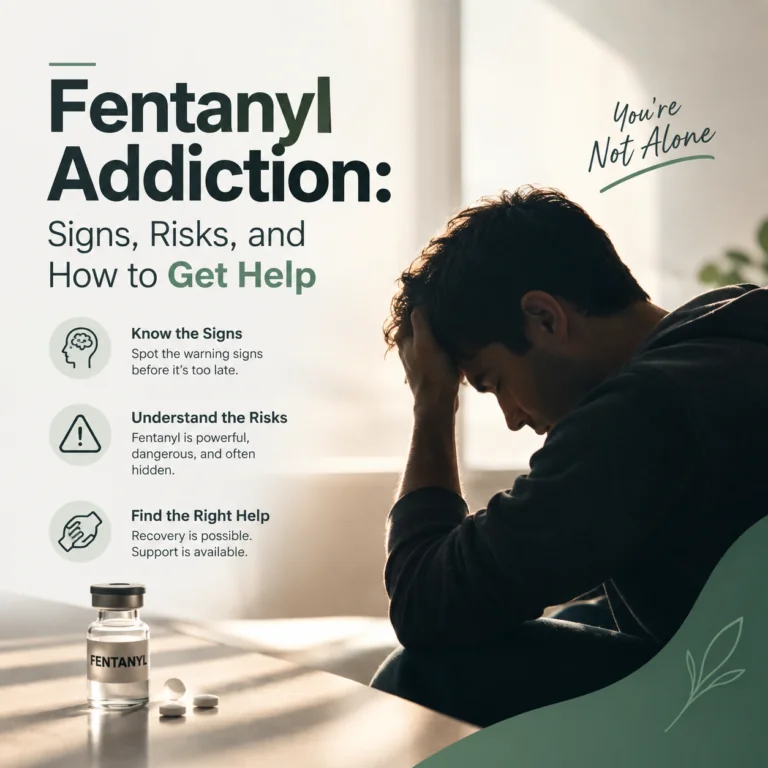

A relapse prevention therapy program is a structured plan for staying well after treatment, not just getting well in the first place. If you or someone you love is leaving rehab, stepping down from therapy, or stabilizing after a mental health episode, this kind of support helps you spot trouble early, respond to triggers, and protect the progress you worked hard to make.
Relapse prevention therapy, in plain English
Relapse prevention therapy is an ongoing treatment approach that helps you reduce the chances that substance use or mental health symptoms return. Think of it like a fire prevention plan, not a fire response plan. You are not waiting for a crisis and then scrambling. You are learning where the sparks usually start, what puts you at higher risk, and what to do before things get out of control.
Relapse prevention planning is the practical side of that work. It usually includes a written plan with your personal warning signs, high-risk situations, coping tools, emergency contacts, and next steps if you start to slip. In substance use recovery, that might mean planning for cravings, social pressure, grief, or boredom. In mental health care, it might mean noticing sleep changes, rising anxiety, hopeless thinking, medication problems, or early symptom return.
The idea is simple: relapse is often predictable enough to plan for.
That matters more than people realize. Recovery is rarely about never feeling stressed, tempted, sad, angry, or overwhelmed again. It is about noticing those moments sooner, responding with skill, and getting support quickly. Good news, this is easier than it sounds when the plan is personalized and practiced.
Why relapse prevention matters after treatment ends
Finishing treatment is a huge achievement. It is also the point when many people lose the daily structure, accountability, and support that helped them stabilize in the first place. That transition can feel exciting and risky at the same time.
The risk is real. CDC provisional data for the 12 months ending August 2025 still estimated 72,836 drug overdose deaths, even after a decline from the prior year. For mental health conditions, relapse is also common enough that it should be planned for, not treated as a rare exception. In one follow-up study of people who had remitted after internet-based CBT for major depression, 37.1% relapsed within 12 months, with most relapses happening after 6 months.
Here’s the core takeaway: treatment completion is not the finish line. It is the handoff from intensive care to continuing care.
That pattern shows up across diagnoses. SAMHSA reports that about 21.2 million adults had co-occurring mental illness and substance use disorder, which helps explain why recovery plans often need to address more than one problem at once. If anxiety, trauma, depression, or sleep problems are left untreated, relapse risk usually climbs.
This is why maintenance support matters so much. A good program does not assume motivation alone will carry you through. It builds structure around the moments when motivation naturally dips.
Relapse is often a process, not a single bad decision
Many clinicians describe relapse as unfolding in three stages: emotional relapse, mental relapse, and physical relapse.
Emotional relapse usually starts first. You may not be thinking about using, drinking, or giving up on treatment yet. But your behavior starts shifting. You isolate. You stop sleeping well. You skip meals, meetings, exercise, or check-ins. You get irritable and stop being honest about how you are doing.
Mental relapse comes next. Now there is an internal tug-of-war. Part of you wants recovery, and part of you wants relief, escape, numbness, or old habits. You may romanticize past use, bargain with yourself, or start thinking one slip would not matter.
Physical relapse is the return to substance use or the full return of symptoms and behaviors.
The hopeful part is this: if relapse is a process, there are multiple off-ramps. Harvard Health notes that relapse often follows a breakdown in recovery behaviors, such as stopping meetings, withdrawing from others, or abandoning exercise routines. That means early signs matter. They are not small. They are the window where prevention works best.
How a relapse prevention therapy program actually works
A relapse prevention therapy program is more than talking about triggers once a week. The better programs are structured, practical, and repeated over time. They usually begin with an assessment, then move into skill-building, routine monitoring, and a written action plan that gets updated as life changes.
Assessment comes first because no two people relapse for the same reasons. One person’s biggest risks may be conflict at home and untreated trauma. Another person may do well until sleep gets off track or work stress spikes. Another may be stable until they stop medication or lose contact with support.
From there, therapists help you map high-risk situations, build coping tools, and rehearse what to do when warning signs show up. That last part matters. Skills are far more useful when they are practiced before you need them.
A strong program also includes follow-up. Weekly sessions may become biweekly, then monthly, but the support does not just disappear. If you want a clearer picture of how that step-down model works, it helps to understand what ongoing support can look like after discharge.
Identifying your personal triggers and high-risk situations
This is where the work gets specific.
A therapist will usually help you look at obvious triggers, like being around substances, certain people, or places linked to past use. But they also look at quieter triggers that can be just as powerful: boredom, loneliness, shame, unresolved trauma, money stress, relationship conflict, chronic pain, sleep loss, or a sudden medication change.
For people with co-occurring conditions, symptom flare-ups often act as triggers too. Depression can lead to withdrawal and hopelessness. Anxiety can fuel panic and impulsive choices. Trauma reminders can push the nervous system into survival mode. Good prevention planning connects those dots instead of treating them as separate issues.
That is one reason integrated care matters. When mental health and substance use are treated in separate silos, people often fall through the cracks. A better approach looks at the whole pattern, including physical health, emotional regulation, and daily functioning.
The goal is not to avoid life forever. The goal is to know your pressure points well enough that they stop surprising you.
Building a response plan before cravings or symptoms escalate
When cravings hit or symptoms spike, people rarely think at their best. Stress narrows attention. Fear makes everything feel urgent. That is why a written response plan matters so much. It reduces guesswork in the moment.
A good first-hour plan is concrete. It might include leaving a risky setting immediately, calling one specific person, drinking water, eating something, doing ten minutes of paced breathing, turning over cash or car keys, going to a meeting, or contacting a therapist. If mental health symptoms are part of the picture, the plan may also include urgent medication follow-up, crisis numbers, or instructions for family members.
This is where many people need more than information. They need a rehearsed script. Who do I call? What do I say? Where do I go if I cannot trust myself right now? Good news, once those steps are written down and practiced, panic drops and action gets easier.
For many people, this written plan becomes the backbone of an aftercare strategy that people can actually follow, not just a document they forget in a folder.
The core skills you practice in relapse prevention therapy
Relapse prevention works best as skills practice, not just education. Knowing that stress is a trigger is useful. Knowing exactly what to do with stress at 8:30 p.m. after a fight, a missed meal, and a brutal workday is what protects recovery.
That is why strong programs repeat and rehearse the same tools until they become more automatic. You are building muscle memory for hard moments.
Cognitive behavioral therapy tools that interrupt the trigger-to-use cycle
Cognitive behavioral therapy, or CBT, is one of the most common foundations of relapse prevention. The reason is practical. CBT helps you catch the chain between a trigger, a thought, a feeling, and a behavior.
Maybe the trigger is loneliness. The thought becomes, “Nobody cares anyway.” The feeling is despair. The behavior is using, isolating, or dropping out of treatment. CBT teaches you to slow that sequence down and challenge the thinking before it drives the behavior.
Common tools include spotting all-or-nothing thinking, questioning permission-giving thoughts, solving problems in smaller steps, planning for high-risk events, and learning that cravings rise and fall like a wave. You do not have to obey every urge you feel. You can ride it out, redirect, and let it pass.
That process sounds simple. In real life, it takes repetition. Which is exactly why outpatient support matters. Many people benefit from regular counseling focused on high-risk moments and coping practice after primary treatment ends.
Mindfulness and nervous system regulation for stress and craving
Mindfulness-based relapse prevention teaches you to notice cravings, stress, and emotional discomfort without reacting automatically. In plain English, it helps you create a pause between what you feel and what you do.
That pause is powerful. A growing body of research suggests relapse risk is tied not only to thoughts, but also to nervous system dysregulation. One review found that maladaptive stress responses can create a feed-forward loop that increases craving and compulsive use. In other words, once the body gets revved up, the mind often follows.
This is why holistic therapies can improve outcomes when paired with clinical care. They are not fluff. They are performance enhancers for recovery work. A systematic review found that voluntary slow breathing increases vagally mediated heart rate variability, which supports its use as a practical stress-regulation tool. A 2025 randomized clinical trial found wearable heart rate variability biofeedback was associated with lower negative affect, craving, and alcohol or other drug use. And a 2026 randomized clinical trial found that adding a brief yoga module to opioid withdrawal treatment improved recovery, anxiety, sleep, pain, and autonomic regulation.
Mindfulness, movement, yoga, breathwork, and creative or experiential therapies all serve a similar purpose. They help you regulate before stress becomes a cascade. They also help people reconnect with the body in safer, steadier ways, which is especially useful when trauma is part of the story.
Motivation, habits, and daily structure that protect recovery
Motivation comes and goes. Habits carry you when motivation is low.
That is why relapse prevention often focuses on ordinary daily patterns: sleeping at roughly the same time, eating regularly, moving your body, showing up to therapy, checking in with support, and planning for weekends or other high-risk windows. Harvard Health highlights HALT, meaning hungry, angry, lonely, tired, because those basic states make impulsive choices much more likely.
Daily structure sounds almost too simple, but honestly, it is one of the strongest protections people have. Harvard also notes that daily exercise, even a short walk a few times a day, can lower stress, improve sleep, and boost mood. Small routines do not look dramatic from the outside. They work anyway.
Motivational interviewing can help here too. It is a counseling approach that helps you reconnect with your own reasons for recovery instead of trying to scare or shame you into compliance. That matters because lasting change tends to stick when it feels chosen, not forced.
What families can do to support recovery without taking over
Families often want to help, but they are scared of saying the wrong thing, missing warning signs, or becoming too involved. That fear makes sense. Recovery affects the whole household.
The most useful role for family is not policing. It is informed, calm support with healthy boundaries. You are not there to control another adult’s recovery. You are there to make early help more likely, reduce isolation, and respond clearly when risk rises.
Many programs include family work for that reason. Recovery is easier to maintain when the home environment is more predictable, less reactive, and better informed about what relapse actually looks like.
Family education, communication, and early warning signs
Families do better when they understand the difference between a lapse and a full relapse. A lapse is a brief return to old behavior or symptoms. A relapse is a more sustained return to the pattern. Those are serious, but they are not the same thing as total failure.
Early warning signs are often behavioral before they are dramatic. The person may become defensive, isolated, secretive, erratic with sleep, less engaged in support, or suddenly overconfident about not needing help anymore. They may also minimize stress or stop talking honestly about cravings, mood, or medication.
How you bring up concerns matters. Direct is better than vague. Calm is better than panicked. Specific is better than accusing. “I’ve noticed you’ve missed two appointments and haven’t been sleeping much” lands better than “You’re messing everything up again.”
Families often need support too. Learning more about how loved ones fit into the recovery process after treatment can make those conversations less loaded and more productive.
Boundaries, encouragement, and when to step in
Supportive families encourage treatment, celebrate progress, and stay steady during rough patches. They also set limits.
That may mean not giving money, not covering for dangerous behavior, not allowing substances in the home, or requiring honest communication as part of living together. Boundaries are not punishment. They protect everyone involved.
At the same time, some situations call for immediate professional help, not just a family conversation. Overdose risk, suicidal thinking, severe withdrawal, psychosis, or major confusion should be treated as urgent medical or psychiatric issues. In those moments, safety comes first.
The balance is simple to say and hard to do: offer support without rescuing, and respond quickly without escalating shame.

Why continuing care lowers relapse risk
The broad research theme is hard to miss: maintenance lowers relapse risk. That is true in addiction care, depression, psychosis, and other serious conditions.
For depression, not seeking mental health care when needed at follow-up increased relapse risk more than fivefold after internet-based CBT. In the same study, conscientiously completing treatment was linked to lower relapse risk. That tells us something useful. Improvement alone is not enough. Follow-through matters.
The same pattern appears in psychosis care. A 2026 meta-analysis found that continuing antipsychotic maintenance treatment reduced relapse risk compared with discontinuation for up to 24 months. At 12 months, relapse occurred in 21.0% of patients on maintenance treatment versus 53.3% in the discontinuation group. That is a massive difference.
In other words, relapse prevention is not wishful thinking. It is an evidence-based idea that continued care protects gains.
Therapy is one piece, not always the whole plan
Therapy matters, but it is not always enough by itself. The right relapse prevention plan may include medication management, psychiatric follow-up, peer support, group therapy, family sessions, alumni programming, sober housing, or digital check-ins.
That is especially true in conditions where medication has a strong maintenance role. After successful ECT for major depression, experts noted that relapse rates can be as high as 50% within one year. The same expert group endorsed medication strategies and found that psychotherapy was helpful as an adjunct, not as a standalone approach after ECT. For psychosis, staying on treatment early in recovery is often a cornerstone of prevention, not an optional add-on.
That balanced view matters. A relapse prevention therapy program should not oversell any one tool. The best plans combine supports based on diagnosis, history, risk level, and what has helped before.
How to choose the right relapse prevention therapy program
Choosing a relapse prevention therapy program after treatment can feel overwhelming, especially when every option sounds supportive on paper. The differences show up in personalization, structure, follow-up, and how well the program handles real life.
A good program should help you stay stable outside the treatment setting, not just while you are inside it. That means looking beyond the sales language and asking how care actually works week to week.
Look for personalization, not a one-size-fits-all plan
Strong programs start with a detailed assessment. They look at relapse history, trauma exposure, mental health symptoms, medical needs, motivation, family dynamics, work stress, transportation, and barriers to follow-through.
That matters because risk is not generic. In depression relapse research, a history of childhood maltreatment was associated with much higher relapse risk, and more adverse life events also predicted relapse. In other words, the plan should match the person, not the brochure.
Programs are usually stronger when they integrate co-occurring conditions instead of treating addiction, anxiety, depression, and trauma in separate lanes. Holistic supports can be especially useful here because they help bridge the gap between insight and regulation. Mindfulness, movement, art, and other experiential therapies do not replace clinical care, but they can make clinical care work better.
Check the program’s structure, flexibility, and support between sessions
Structure matters because recovery often weakens in the unplanned hours, not the scheduled ones. Look at session frequency, how the program steps down over time, whether telehealth is available, what happens between visits, and how setbacks are handled.
The better programs also think past the first few weeks. They offer crisis planning, family involvement, peer support, and regular progress review. Some include alumni communities or mentoring, which can make the period after formal treatment feel less abrupt. For many people, staying connected to a recovery community after discharge makes it easier to ask for help early instead of waiting until things unravel.
Fit matters too. A beautifully designed plan is not useful if it falls apart around work, school pickups, custody schedules, or transportation problems.
Questions to ask before enrolling
Here are the questions worth asking before you commit:
- What therapies are used, and how often are they delivered?
- How is the plan personalized for trauma, mental health needs, and relapse history?
- What happens if I have a lapse?
- Is medication support or psychiatric follow-up available?
- How are family members included?
- What support exists between sessions?
- How long does aftercare last?
- Are telehealth or step-down options available?
- How is progress reviewed and adjusted?
Short checklist, big payoff. These questions help you see whether a program is truly prevention-focused or just loosely supportive.
Common myths that make relapse prevention harder
Relapse prevention gets harder when shame, denial, or unrealistic expectations take over. A few myths show up again and again, and they can quietly sabotage recovery.
“If you relapse, treatment failed”
That idea sounds simple, but it is wrong.
A lapse or relapse means the plan needs attention, not that all progress has been erased. In many chronic conditions, setbacks are part of the course. The real danger is not the setback itself. It is the shame spiral that convinces someone not to return to care.
Fast re-engagement matters. The sooner someone tells the truth, reconnects with support, and updates the plan, the more likely the setback stays contained.
“Willpower should be enough”
Willpower helps. It just does not do the whole job.
Stress, trauma, sleep deprivation, cue exposure, psychiatric symptoms, and body-based dysregulation can overwhelm good intentions. That is why relapse prevention focuses on environment, routine, skills, and support, not just motivation. The point is to make the healthy choice easier to reach when the brain is under pressure.
If recovery were only about wanting it badly enough, relapse rates would look very different. They do not.
“Once you feel better, you can stop all support”
This one catches a lot of people. Feeling better often creates the illusion that support is no longer needed, when in reality the support may be part of why you feel better.
Across conditions, stopping effective care too early raises risk. In psychosis, maintenance treatment showed stronger preventive effects between 6 and 12 months after stabilization, not just in the first few weeks. In depression, many relapses happened months after symptom improvement, not right away.
Feeling better is good news. It is not always a sign to stop the plan.
What the first 90 days of relapse prevention often look like
The first 90 days after treatment often feel more ordinary than people expect, and that is actually a good sign. Recovery is becoming part of daily life, not just something that happens in a treatment setting.
In practice, this period often includes weekly therapy or group sessions, regular trigger tracking, medication follow-up if needed, and a written plan for cravings or symptom flare-ups. You may also build a steadier sleep schedule, plan meals more intentionally, move your body more regularly, and limit contact with people or places tied to past use.
Families may have a few structured conversations about warning signs, boundaries, and what to do if risk rises. Some people add peer mentoring, alumni groups, or recovery meetings. Others focus on returning to work or school without losing their support structure. The details vary. The rhythm is what matters.
Good news, early aftercare does not need to be perfect to be effective. It just needs to be active. The people who do best are often the ones who keep showing up, stay honest when things wobble, and adjust their plan before a rough week becomes a full collapse.
A simple next step if you’re planning for life after treatment
If you are planning for life after treatment, start smaller than you think. Write one relapse prevention plan. Name one support person you will contact early, not late. Schedule one follow-up appointment before you feel like you need it.
That may not sound dramatic, but it is how lasting recovery is built. A relapse prevention therapy program is not about being perfect or never feeling vulnerable again. It is about being prepared, supported, and willing to act early. That is where long-term sobriety and stability usually grow.