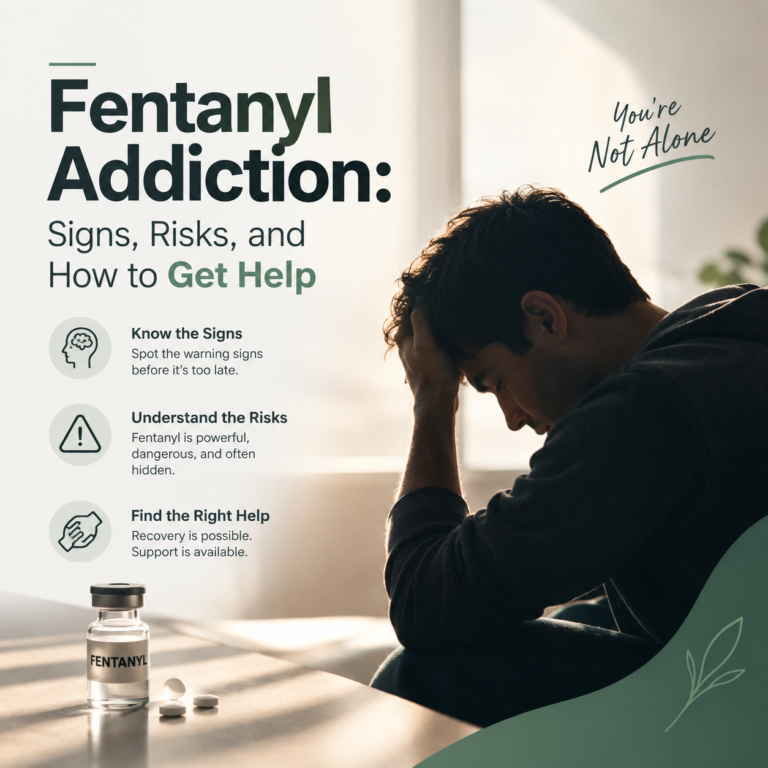

Trauma therapy in addiction rehab matters because substance use is often tied to pain that has never really been treated. Many people drink or use drugs to numb panic, shame, nightmares, or memories that feel unbearable, and since 7 out of 10 people in the U.S. experience at least one traumatic event in their lifetime, rehab that ignores trauma can miss one of the biggest drivers of relapse.
Why trauma therapy matters in addiction rehab
Treating addiction without treating trauma can feel like mopping up water while the pipe is still leaking. You may stop using for a while, but if flashbacks, hypervigilance, depression, or emotional shutdown are still running the show, the urge to escape often comes roaring back.
This is why trauma therapy in addiction rehab is not an extra feature. It is part of good care. Trauma can shape cravings, trust, sleep, relationships, and the way your nervous system responds to stress. If those pieces are left untouched, standard rehab tools may not hold up for long, especially when life gets hard again.
Research backs that up. The National Institute on Drug Abuse notes that violence, abuse, neglect, and family or social conflict are linked to a higher risk of developing substance use disorders. Good news, this connection is now much better understood than it used to be, which means treatment can be better too.
What trauma therapy in addiction rehab actually means
Trauma therapy in addiction rehab means treating substance use and trauma-related symptoms together in one recovery plan. That can include PTSD, anxiety, depression, or bipolar disorder, along with the drinking or drug use that may have grown around them.
It is not just talking about the past for hours. In many cases, the work starts with the present: getting safer, sleeping better, reducing panic, managing cravings, and building enough stability that deeper therapy can help instead of overwhelm. In a strong program, trauma treatment is woven into rehab rather than saved for some vague later point.
Trauma therapy is different from standard addiction counseling
Standard addiction counseling often teaches relapse prevention, triggers, routines, and accountability. Those things matter. But trauma-focused or trauma-informed care goes further by asking why certain triggers hit so hard in the first place.
For example, what looks like “resistance” may actually be dissociation, which means mentally checking out when stress feels too intense. Avoidance may not be laziness. It may be a survival habit. Shame may not just be guilt about substance use. It may come from abuse, neglect, or years of feeling unsafe. A program built to handle these patterns can help you understand them instead of punishing them.
That is one reason many people do better in care that treats mental health and substance use together, rather than bouncing between separate systems that each only see half the problem.
Trauma-informed care vs. trauma-focused therapy
These terms sound similar, but they are not the same.
Trauma-informed care shapes the whole rehab program around safety, trust, collaboration, and empowerment. SAMHSA says a trauma-informed program recognizes the widespread impact of trauma, identifies trauma signs and symptoms, integrates trauma knowledge into practice, and actively seeks to avoid retraumatization.
Trauma-focused therapy is more specific. It uses structured methods to process traumatic experiences when you are ready. That might happen through approaches like Cognitive Processing Therapy or EMDR. One is the environment. The other is the therapy itself. Good rehab usually needs both.
The link between trauma and substance use is stronger than many people realize
People often assume trauma is a side issue in addiction. It usually is not. The overlap is huge. The National Governors Association reports that about 3 out of 4 people with substance use disorder have experienced trauma, and nearly half of people with PTSD also have a substance use disorder.
That is not a small subgroup. It is a large share of the people walking into treatment every day.
Why people often use substances to cope with trauma
This is the self-medication cycle. Alcohol may quiet racing thoughts for a few hours. Opioids may soften emotional pain. Stimulants may briefly push back numbness or depression. Marijuana may seem to help with sleep or anxiety. In the short term, the relief can feel real.
But the catch is that substances usually make trauma symptoms worse over time. Sleep becomes more broken. Anxiety rebounds harder. Memories stay unprocessed. Emotional regulation gets weaker. The person ends up needing the substance to manage the very symptoms the substance keeps intensifying.
That pattern is one reason addiction treatment works better when trauma symptoms are treated early, not brushed aside as something to deal with after sobriety is “perfect.”
How trauma can change the brain and stress response
Trauma can leave your nervous system stuck in survival mode. Think of it like a smoke alarm that became too sensitive. It goes off at real danger, but also at reminders, conflict, loud voices, certain places, or even internal sensations like a racing heart.
When that happens, sleep suffers, concentration drops, and emotions swing faster. Memory can get patchy. You may feel constantly on edge, shut down, or both. Cravings also become more likely, because substances promise quick relief from a body that feels impossible to settle.
Honestly, this is why “just use willpower” is such a weak answer. If the body is firing danger signals all day, recovery needs tools that calm the system, not just lectures about bad choices.
Why childhood trauma and ACEs raise the stakes
Early trauma can shape development in ways that last for years. NIDA notes that children and adolescents who experience trauma are particularly vulnerable to later substance use disorders. Abuse, neglect, family conflict, instability, or growing up around violence can teach the brain to expect danger long before a person has words for what happened.
That early wear and tear raises the odds of later anxiety, depression, PTSD symptoms, and substance use. For teens and young adults, the picture can get more complicated because the brain is still developing, and coping habits can lock in fast.
Untreated trauma can make rehab harder, even when you want help
A lot of people enter treatment wanting to get better, then feel confused when they struggle to stay engaged. Trauma is often part of that story.
If you have learned that people are unsafe, trusting staff or opening up in groups can feel impossible. If you are easily startled or dissociate under stress, busy settings may feel chaotic instead of supportive. If shame runs deep, feedback may feel like an attack, even when it is meant to help.
Trauma can affect retention, relapse risk, and daily functioning
Co-occurring trauma and addiction tend to raise the difficulty level. NIDA explains that when a person has both a substance use disorder and another mental health disorder, it is usually better to treat both conditions at the same time, because concurrent treatment can improve results for both.
That matters in real life. People with PTSD and substance use disorder often have more severe symptoms and a harder time staying in care. If you have also been dealing with depression, panic, or mood instability, the strain can be even heavier. That is where a true program built for co-occurring recovery becomes much more than a nice idea.
Some rehab experiences can feel overwhelming without trauma-informed care
Re-traumatization means treatment accidentally repeats parts of what made you feel unsafe before. It can happen through harsh confrontation, loss of control, lack of privacy, unclear rules, or pressure to disclose painful experiences too quickly.
A better program still expects honesty and effort, but it does not confuse intimidation with accountability. SAMHSA says trauma-informed care should prioritize safety, trust, collaboration, and empowerment. Those are not soft extras. They help people stay present long enough to heal.
What trauma therapy adds to addiction rehab
Trauma therapy adds skills and structure that make sobriety more livable. It helps you understand what sets off cravings, what your body does under stress, and how to respond before a trigger turns into use.
Good news, this often begins with stabilization rather than deep disclosure. You do not have to tell every painful detail on day one to start getting relief.
It helps you identify triggers before they turn into use
Trauma triggers are not always obvious. They can be body sensations, arguments, loneliness, certain dates, authority figures, intimacy, or even success if success once made you a target. Trauma therapy helps you spot these patterns earlier.
That changes relapse prevention from something abstract into something practical. You learn to notice panic signs, shutdown, irritability, sleep collapse, or the urge to isolate before substances enter the picture. If PTSD is a major part of your story, it also helps to understand how treatment can support both trauma symptoms and sobriety at the same time.
It teaches safer ways to regulate emotions and distress
Many people in rehab have never been shown how to calm the body without using something. Trauma therapy fills that gap. Skills may include grounding, paced breathing, sleep support, routine building, distress tolerance, and learning how to ride out intense emotions without acting on them.
These are not small wins. They are the daily mechanics of staying sober when life hurts.
It gives mental health treatment a real place in recovery
If you are dealing with PTSD, anxiety, depression, or bipolar symptoms, rehab works better when those conditions are treated during addiction care, not postponed until later. Waiting can leave a person sober on paper but emotionally miserable, which is a setup for relapse.
That is where therapy, psychiatric evaluation, and medication support can make a real difference. Some people need antidepressants, mood stabilizers, sleep support, or medication for cravings. Others need careful review of meds they are already taking. A thoughtful psychiatric care plan during treatment can help make recovery steadier and safer, especially when mood symptoms have been driving substance use.
What trauma therapy may look like in a rehab program
Trauma therapy in rehab is usually phased. It is based on readiness, safety, and symptom level, not pressure. A good clinician knows that pushing too fast can backfire.
Early treatment often focuses on safety, trust, and stabilization
The first stage often includes building a therapeutic alliance, managing cravings, improving sleep, learning grounding skills, and creating more predictable routines. This stage matters because a dysregulated nervous system cannot do good deep work for very long.
Many people actually feel relieved here. They expected to be forced to relive every painful memory right away, but strong programs usually start by helping you feel more solid in the present.
Common therapies used for trauma and addiction
Several evidence-based approaches can help. CBT helps you identify thought patterns, behaviors, and triggers that keep problems going. DBT skills focus on distress tolerance, emotion regulation, and relationships. Cognitive Processing Therapy helps people examine and rework stuck beliefs related to trauma. EMDR uses guided bilateral stimulation to process disturbing memories. Seeking Safety focuses on coping skills for both trauma and substance use. Somatic approaches help you notice and regulate body-based stress responses. Group therapy can also help, when it is paced well and led safely.
The point is not to find the fanciest acronym. It is to match the therapy to the person.
Trauma therapy works best when it is personalized
No single plan fits everyone. Treatment should match your trauma history, current symptoms, substance use pattern, cultural background, gender needs, medications, physical health, and current stability. Some people need medical detox first. Some need family support. Some need more time focused on mental health stabilization during early rehab before doing deeper trauma work.
That flexibility is a sign of quality, not hesitation.
What the research says about integrated, trauma-informed rehab
The research is not saying trauma-informed rehab is a trendy add-on. It keeps pointing in the same direction: integrated care is more realistic for people whose addiction and mental health symptoms are tangled together.
Real-world programs show promising results
In a 2025 study of young adults in residential treatment, the trauma-informed care model was delivered about 88% of the time and 48% of clients completed the full 6-week program, showing that this approach was workable in a real rehab setting. The same study found that clients showed significant reductions in substance involvement, with the strongest early improvement at 3 months, and that PTSD symptoms, depression, and anxiety also improved significantly over follow-up.
That matters because better mental health and lower substance use rarely happen in separate lanes. In real recovery, they tend to rise or fall together.
Early screening and integrated care can reduce long-term harm
Another study followed adults after traumatic injury and found that 42% were above the clinical threshold for PTSD just two weeks after injury. More importantly, elevated PTSD symptoms right after injury were linked to later substance use problems, even after accounting for pre-injury substance use.
The practical takeaway is simple: the sooner trauma is identified, the better. Screening early, treating early, and not splitting addiction from mental health care can lower the odds that untreated trauma keeps fueling substance use.
How to tell if a rehab program takes trauma seriously
Not every program that says “trauma-informed” really is. You want signs that the label changes the care, not just the brochure.
Signs of a trauma-informed rehab program
A strong program screens for trauma and PTSD, explains what treatment will look like, and gets clear consent before deeper work. Staff should understand co-occurring disorders, know how to respond to panic, flashbacks, or dissociation, and avoid shaming or confrontational methods that overwhelm people. Relapse planning should include trauma triggers, not just social triggers. Mental health support should be built in, not outsourced as an afterthought.
You should also expect integrated help for anxiety, depression, PTSD, or bipolar symptoms if those are part of the picture.
Questions you can ask before enrolling
Ask whether the program treats PTSD and substance use together. Ask what trauma therapies they offer, how they handle panic or dissociation, whether psychiatric care is available, and how they pace trauma work. Ask if family can be involved when that would help.
Programs with real experience should answer clearly. Vague answers usually mean vague care.
Barriers to care, and ways to work around them
The barriers are real: stigma, cost, transportation, fragmented systems, and too few specialized programs. But there are workarounds. Ask about insurance verification, telehealth, referrals, case management, medication support, and dual-diagnosis tracks. Small steps count. So does persistence.
When trauma therapy may be especially important
Trauma therapy may matter even more if you keep relapsing after treatment, or if sobriety feels unbearable because the underlying symptoms never settle. Nightmares, panic, severe anxiety, depression, emotional numbness, chronic shame, or bipolar symptoms can all point to a recovery plan that needs more than substance use treatment alone.
You do not need a perfect memory of the trauma to benefit
A lot of people worry that if their memories are fuzzy, they do not qualify for trauma therapy. That is not true. Treatment can focus on present-day symptoms, body reactions, triggers, and coping patterns even when the full story is unclear.
You can heal from what your nervous system is carrying, even if your memory is incomplete.
Healing does not mean doing everything at once
Trauma therapy is not supposed to be a forced confession. Good care is paced, collaborative, and adjusted to what you can handle safely. Sometimes the brave step is not telling more. Sometimes it is sleeping through the night, staying sober through a trigger, or asking for help before things spiral.
A simple next step if you are looking for help
Trauma therapy matters in addiction rehab because it treats a common root driver of substance use, improves emotional safety, and gives mental health care a real place in recovery. If addiction has been tangled up with panic, nightmares, depression, PTSD, or bipolar symptoms, the next smart step is to ask a provider one direct question: do you treat trauma, substance use, and mental health conditions together in the same program. That answer tells you a lot.