Animal-assisted therapy for substance abuse is one of the most biologically grounded yet underexplained tools in modern addiction treatment. It works through measurable neurological mechanisms, it improves retention in treatment, and for certain populations it reaches places that talk therapy alone cannot. Here is exactly how it works, what the research shows, and what you should know before choosing a program that offers it.
What Is Animal-Assisted Therapy for Substance Abuse?
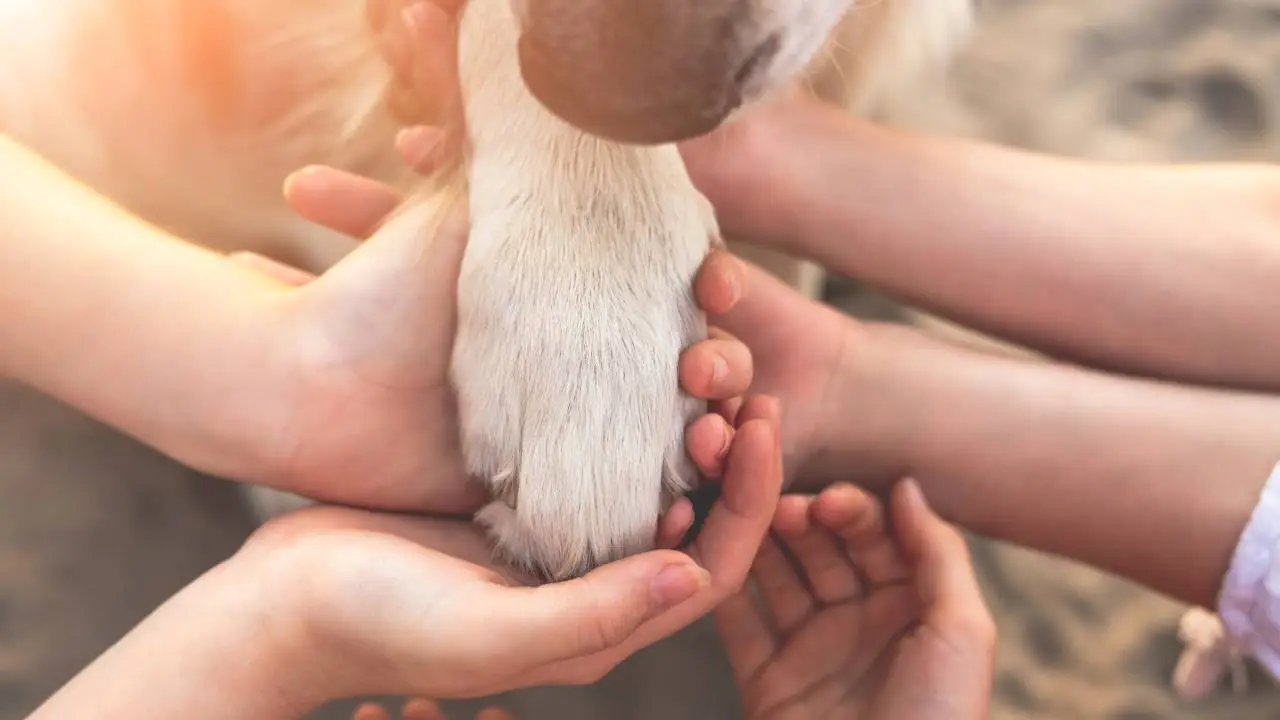
Animal-assisted therapy (AAT) is a structured, goal-directed clinical intervention where trained animals and their certified handlers work alongside licensed therapists to support specific therapeutic outcomes. It is not a casual arrangement where a dog wanders through a common room. It is not the same as owning a pet at home, and it is not equivalent to having an emotional support animal registered to your apartment.
The distinction matters. In a legitimate AAT program, the animal interaction is written into your treatment plan with defined objectives, tracked progress, and clinical oversight. A licensed therapist designs each session around a therapeutic goal, whether that is emotional regulation, building trust, reducing hypervigilance, or practicing accountability. The animal is a clinical instrument in that process, not a reward or a recreational feature.
In addiction treatment specifically, AAT is always a complement to primary evidence-based therapies, not a replacement for them. You will not see a reputable program offering AAT instead of cognitive behavioral therapy or medication-assisted treatment. You will see it offered alongside those treatments to address the psychological and neurobiological dimensions of recovery that are harder to reach through conversation alone.
The Science Behind Why AAT Works in Addiction Recovery
A 2012 review published in Frontiers in Psychology examining human-animal interaction research found that contact with animals reliably triggers oxytocin release, suppresses cortisol, and activates the parasympathetic nervous system. These are not minor effects. For a brain in active recovery from substance use disorder, each of these responses addresses a core vulnerability.
Addiction rewires the brain’s reward circuitry, blunting its ability to experience pleasure from ordinary sources and heightening sensitivity to stress. The result is a nervous system that is chronically dysregulated, prone to anxiety spikes, and starved for the kind of natural reward signal that once came easily. Animals, because they are non-verbal and non-judgmental, bypass the cognitive defenses that often make traditional talk therapy feel threatening during early recovery. The brain responds to animal interaction as a genuine social and sensory event, not as a clinical exercise to be evaluated or performed.
What this means in practice: AAT gives the recovering brain access to neurobiological states that support healing before the verbal, analytical work of therapy fully takes hold. It is a biological entry point into the recovery process.
How Animals Lower the Stress Response
A 2019 study published in AERA Open measured cortisol levels in students before and after 10-minute interactions with therapy animals. Cortisol dropped significantly in participants who had hands-on contact with animals, even in a brief, structured session. Researchers at Washington State University replicated this effect across multiple campus settings, finding consistent reductions in both salivary cortisol and self-reported stress.
For someone in early recovery, this is directly relevant. Chronic stress is one of the most reliable triggers for relapse. The body’s stress-response system, the hypothalamic-pituitary-adrenal axis, is dysregulated in people with substance use disorder, and it stays dysregulated for months after the last use. When an animal interaction measurably quiets that system, even temporarily, it weakens the physiological pull toward substances as a coping strategy.
Inside a structured session, what this looks like is concrete: heart rate drops, jaw and shoulder tension releases, and the person becomes more accessible to the therapeutic conversation happening around the interaction. Clinicians describe this window as one of the more productive states for processing difficult emotional material.
The Role of Oxytocin and Social Reconnection
A 2003 study by Uvnäs-Moberg and colleagues documented that petting a dog elevates oxytocin levels in both the human and the animal. Oxytocin is the neurochemical most associated with bonding, trust, and social safety. Sustained substance use disrupts oxytocin pathways, which is part of why addiction is so effective at dismantling relationships: the neurochemical infrastructure for trust and connection becomes impaired.
For someone whose relationships have been fractured by years of active addiction, practicing trust with a human, even a therapist, carries a high emotional risk. Animals offer a lower-risk training ground. They respond consistently, they do not carry resentment, and they do not require you to explain yourself. That consistent, uncomplicated positive response gradually rebuilds the neural capacity for trust. Over weeks of structured sessions, that capacity transfers. People who cannot initially engage with group therapy often find the transition easier after repeated animal interactions have started to reopen the social circuitry that addiction closed down.
Types of Animal-Assisted Therapy Used in Substance Abuse Treatment
Different animals serve different therapeutic functions, and the type used in a given program typically reflects the treatment setting, the clinical goals, and the population being served. Each modality has its own evidence base and its own mechanism of action.
Equine-Assisted Therapy
Equine-assisted therapy is among the most extensively studied and clinically developed forms of AAT in addiction treatment. Horses are large, emotionally perceptive animals that respond in real time to a person’s body language, tension, and intention. They do not respond to what you say; they respond to who you are in the moment. That dynamic creates a uniquely honest feedback loop that is difficult to replicate in any other therapeutic context.
A 2019 randomized controlled trial published in the Journal of Substance Abuse Treatment found that veterans with co-occurring PTSD and substance use disorder who participated in equine-assisted therapy showed significant reductions in PTSD symptom severity compared to control conditions. The skills targeted in equine sessions include emotional regulation, impulse control, clear communication, and accountability. The mechanism is straightforward: working with a 1,200-pound animal that mirrors your internal state back to you creates immediate, non-negotiable feedback about your emotional presentation. You cannot intellectualize your way through a horse session.
If you want a detailed picture of what this looks like from session to session, the clinical structure of equine work in a residential setting explains how these sessions are organized within a treatment program.
Canine-Assisted Therapy
Dogs are the most widely used animals in clinical AAT settings, largely because of their accessibility, trainability, and the depth of the human-canine bond. In structured addiction treatment sessions, dogs are not passive comfort objects. They participate in goal-directed activities designed to build specific skills.
A 2021 study published in Anthrozoös examining canine-assisted interventions in behavioral health settings found reductions in anxiety, depression, and social withdrawal among participants across multiple clinical populations. In addiction treatment, canine sessions are typically structured around tasks that require the person to be consistent, patient, and attentive. These are qualities that active addiction systematically erodes. Teaching a dog a command, maintaining calm so the animal stays engaged, following through on a session goal: each of these builds the behavioral patterns that support long-term sobriety. Dogs also break isolation effectively. For people who have withdrawn from social connection, a dog’s uncomplicated enthusiasm for interaction lowers the barrier to re-engagement.
Dolphin-Assisted Therapy
Dolphin-assisted therapy (DAT) is a documented but less commonly available form of AAT, primarily due to the logistical and ethical complexity of accessing marine mammals in clinical settings. Research on DAT in mental health and addiction contexts, including a study published in the British Medical Journal in 2005 by Antonioli and Reveley, found reductions in depression symptoms in participants who engaged in structured dolphin interaction compared to a nature control group.
What makes dolphin interaction therapeutically distinct is its multisensory quality: the aquatic environment, the animal’s vocalizations, and the physical sensation of water combine to create a highly novel experience that commands full present-moment attention. That interruption of rumination and craving has genuine clinical value. Access is limited and cost is higher than other modalities, so DAT functions more as a specialized option than a standard treatment component.
Other Animals Used in AAT Programs
Cats, rabbits, farm animals, and small companion animals all appear in clinical AAT settings, particularly in residential treatment programs that maintain working farms or therapeutic gardens. Cats are used in settings where a calmer, lower-demand interaction suits the clinical goal. Farm animals, including goats, pigs, and chickens, appear in programs that incorporate agricultural therapy alongside more formal AAT sessions.
The specific animal matters less than the clinical framework surrounding the interaction. A session with a rabbit led by an untrained volunteer and a session with a rabbit facilitated by a licensed therapist with defined session goals are not the same intervention. The animal is the instrument; the clinical structure is what makes it therapy.
Key Benefits of Animal-Assisted Therapy in Recovery
A 2022 meta-analysis published in PLOS ONE reviewing 55 studies across multiple clinical populations found that AAT produced statistically significant improvements in anxiety, depression, and quality of life outcomes. These effects were consistent across animal types and treatment settings. The benefits do not operate in isolation: they compound over the course of treatment and reinforce the gains made through primary therapies like CBT and EMDR.
Reduced Anxiety and Depression Symptoms
A 2018 study in the Journal of Clinical Psychology found that AAT produced measurable reductions in both anxiety and depression scores in individuals with substance use disorder over a 12-week treatment period. Anxiety and depression are not just co-occurring conditions in addiction; they are two of the most consistently documented relapse triggers. Reducing them directly improves the odds of completing treatment and maintaining sobriety.
The practical insight for someone evaluating treatment options: a program that uses AAT as a clinical tool is addressing the emotional drivers of relapse more directly than one that treats substance use as an isolated behavioral problem. Ask whether depression and anxiety screening is part of the intake assessment and how AAT is used to address those specific findings.
Rebuilding Trust and Empathy
Research on human-animal bonding consistently shows that repeated, structured animal interaction rebuilds the capacity for empathy and social trust. A 2015 study in Psychological Science found that warm, affiliative interactions with animals activated the same neural networks involved in human social bonding. For people in recovery who have damaged their closest relationships, this matters: empathy and trust are not simply emotional virtues, they are behavioral skills that have to be rebuilt through practice.
Animals offer a specific advantage in that process. They respond to authentic emotional states, not performed ones. They are consistent regardless of your history. The non-judgmental quality of animal interaction creates a low-risk environment to practice vulnerability, and that practice transfers. People who rebuild trust with an animal often find that the same openness becomes accessible in group therapy and family sessions. To understand more about how this process works within a formal treatment framework, the connection between horse therapy and emotional recovery covers the specific mechanisms in more detail.
Establishing Routine and Responsibility
A 2016 study in Substance Abuse Treatment, Prevention, and Policy found that structured daily routines and defined responsibilities during residential treatment were significantly associated with lower relapse rates at 12-month follow-up. Caring for an animal within a residential program builds exactly this kind of structure. Feeding schedules, grooming tasks, and session preparation create anchoring moments in the day that organize time and generate a sense of purposeful activity.
The plain-English mechanism: accountability to a living being activates different motivation than accountability to a rule or a treatment schedule. An animal needs to be fed at a specific time whether you feel like it or not. That small but consistent demand builds the self-regulation muscle that sustained sobriety requires.
Reducing Social Isolation and Loneliness
A 2020 report from Cigna found that 61% of American adults reported feeling lonely, with significantly higher rates among individuals with substance use disorder. Loneliness is not just an emotional state in this population; it is a documented relapse risk factor. Social isolation removes the accountability, connection, and sense of belonging that support long-term recovery.
AAT addresses isolation directly by creating a reliable, low-threat social interaction that does not require the emotional readiness that human connection demands. For veterans or individuals with trauma histories who find group therapy activating, animal interaction often functions as a bridge, providing consistent positive social experience that gradually reduces hypervigilance around human connection.
Improving Engagement and Retention in Treatment
Treatment completion is the single strongest predictor of long-term sobriety, and dropout is a persistent problem across addiction treatment settings. A 2017 analysis published in Psychiatric Services found that programs incorporating experiential therapies, including AAT, showed higher session attendance and treatment retention compared to programs offering only traditional talk-based modalities.
The mechanism is partly neurobiological: AAT sessions generate genuine motivation through natural reward activation, not just external obligation. People look forward to sessions with animals in a way that is qualitatively different from their anticipation of a standard group session. That intrinsic engagement keeps people in the program long enough for primary therapies to take hold.
What to Expect in an Animal-Assisted Therapy Session
A legitimate AAT session begins before you ever interact with an animal. The treating clinician conducts an intake assessment that reviews your clinical goals, any history of trauma or phobia related to animals, and any allergy or safety considerations. AAT is not appropriate for everyone, and reputable programs determine fit before placement.
Once you are placed in a program, each session is structured around a specific therapeutic goal tied to your broader treatment plan. The therapist is present throughout, guiding the interaction and facilitating reflection. The animal interaction itself varies by modality: in an equine session, you might be working on leading a horse through a ground exercise while the therapist observes your body language and emotional responses. In a canine session, you might be working through a structured training sequence that builds patience and follow-through.
Progress is tracked across sessions with the same clinical rigor applied to other treatment components. A well-run program measures outcomes, adjusts goals as you advance through treatment, and integrates what happens in AAT sessions with what is addressed in CBT, group therapy, and individual sessions. If a program cannot describe how AAT connects to the rest of your treatment plan, that is a signal to ask more specific questions.
How AAT Fits Into a Full Addiction Treatment Program
AAT is not a replacement for primary evidence-based treatment. It works alongside CBT, EMDR, medication-assisted treatment, and group therapy, addressing the neurobiological and relational dimensions of recovery that those modalities do not reach as directly.
A 2014 study in the Journal of Psychoactive Drugs examining integrative treatment models found that programs combining evidence-based primary therapies with experiential modalities produced significantly better outcomes than single-modality approaches across multiple measures, including depression, treatment completion, and 12-month abstinence rates. The additive effect is real. AAT does not replace CBT’s work on thought patterns; it creates the neurobiological conditions that make that work more accessible.
When evaluating any program that offers AAT, ask one specific question: is AAT integrated into the clinical treatment plan, or is it offered as a separate add-on? The difference is significant. Integration means session goals are coordinated with your primary therapist, progress in AAT informs your overall treatment, and the animal interaction has defined therapeutic targets. An add-on is a program feature, not a clinical tool. Understanding what experiential therapies actually include in a formal treatment setting can help clarify what to look for when evaluating how these components work together.
Who Benefits Most From Animal-Assisted Therapy
The populations with the strongest evidence base for AAT in addiction treatment are veterans with co-occurring PTSD and substance use disorder, individuals with complex trauma histories, people who have not engaged with traditional talk therapy, and adolescents in treatment.
A 2020 study published in Military Medicine found that veterans with dual diagnoses of PTSD and substance use disorder who participated in equine-assisted therapy showed statistically significant reductions in PTSD severity, depression, and substance craving compared to standard care alone. The connection between trauma and addiction is direct: trauma responses drive substance use as a self-medication strategy, and treating only the addiction without addressing the trauma leaves the primary driver intact. For people whose trauma history has made verbal processing difficult or unsafe, the specific overlap between trauma treatment and equine work explains why this modality fits the dual-diagnosis picture more precisely than most alternatives.
That said, this is not an exclusive list. Clinician assessment determines whether AAT is appropriate for any individual. The goal is fit, not formula.
Is Animal-Assisted Therapy Covered by Insurance?
Coverage for AAT varies by plan and by how the service is billed. Most PPO plans, including Aetna, BCBS, Humana, Magellan, and Optum, do not have a specific billing code for AAT, but many programs bill it as part of a broader behavioral health or therapeutic services package, which is more likely to be covered.
The question to ask the treatment center directly: is AAT billed as a component of the licensed clinical treatment program, or as a separate supplemental service? When it is embedded in the clinical program and facilitated by a licensed therapist, it typically falls under behavioral health benefits that PPO plans cover. Ask for specifics in writing before you enroll, and confirm with your insurance provider that the treatment center is in-network.
Is AAT Safe for People With Allergies or Fear of Animals?
Reputable programs screen for contraindications including allergies, animal phobias, and trauma histories involving animals during the clinical intake assessment. No one is placed in an AAT session without prior screening. If an animal phobia is present, the clinical team will determine whether a gradual desensitization approach is appropriate or whether AAT is not the right fit at this stage of treatment.
Allergy management is handled at the program level: animal areas are separate from general living and treatment spaces, and alternative therapeutic activities are available for anyone for whom AAT is contraindicated.
How to Evaluate Whether a Program’s AAT Is Clinically Legitimate
Not all programs that advertise AAT are delivering a clinical intervention. Some offer animal interaction as an amenity. The difference matters for outcomes, and three specific questions separate evidence-based programs from marketing language.
First, ask whether the AAT sessions are facilitated by a licensed clinician, not a trainer, volunteer, or handler alone. The clinical oversight is what makes the interaction therapeutic. Second, ask whether the animals and handlers are certified through a recognized organization: Pet Partners for therapy animals generally, or EAGALA (Equine Assisted Growth and Learning Association) for equine-specific programs. Third, ask whether AAT is written into your individual treatment plan with measurable goals. If the answer is yes to all three, the program is treating AAT as a clinical tool.
One Conversation Worth Having This Week
If you or someone in your family is evaluating treatment programs and AAT is a factor in that decision, one phone call gives more useful information than hours of research. Call one treatment center directly and ask: is the AAT program facilitated by a licensed clinician, how does it connect to the primary treatment plan, and does your PPO insurance cover it as part of the behavioral health benefit? Those three questions separate programs with genuine clinical integration from those using AAT as a selling point. The answer shapes everything else about how you evaluate the option.