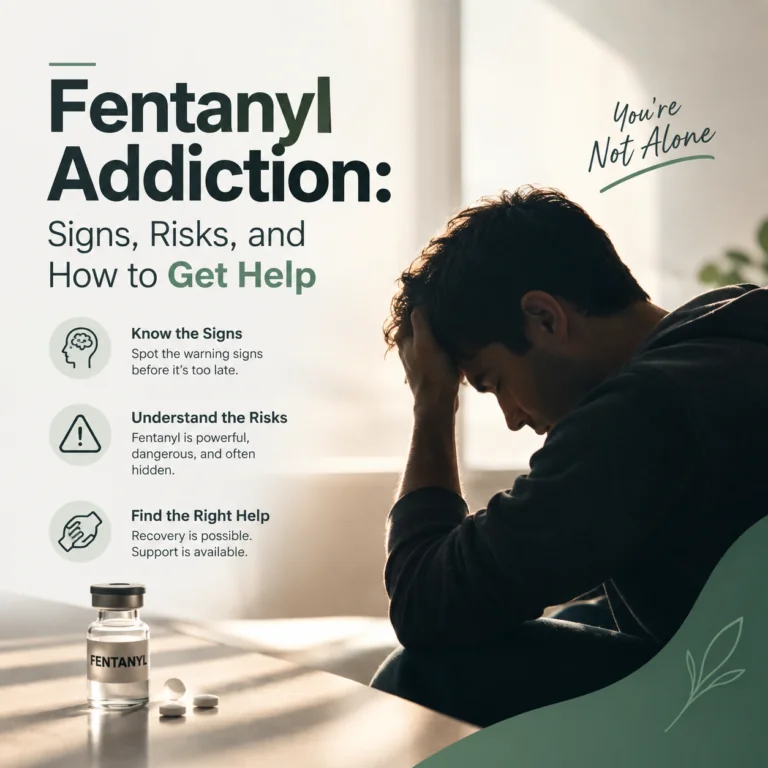

A covered rehab program is an addiction treatment program that accepts and provides services your plan will pay for, fully or partially, based on state rules and medical necessity. That sounds simple, but the details matter a lot. If you are trying to find treatment quickly, knowing what to look for can help you avoid delays, surprise costs, and programs that promise more than they actually provide.
What Is a-Covered Rehab Program?
A-covered rehab program is a treatment provider that works with insurance for substance use care. In practice, that can include detox, residential treatment, outpatient rehab, medication-assisted treatment, therapy, psychiatric support, and aftercare planning. The catch is that “accepts ” does not always mean every service is covered in full, or that every level of care is available under your specific plan.
Think of it like using a health plan at a hospital. The hospital may take your insurance, but certain doctors, medications, tests, or lengths of stay can still require approval. Rehab works the same way. A strong -covered program does more than put the logo on its website. It verifies your benefits, explains coverage clearly, and helps place you in the right level of care for your safety and recovery.

How Coverage for Rehab Works
is a public health insurance program funded by federal and state governments and administered at the state level. It is not a small niche payer. In fact, is a major payer for substance use disorder treatment, which is one reason it matters so much for people seeking affordable addiction care.
For rehab, often covers addiction treatment because plans are required to cover mental health and substance use treatment as essential health benefits. But coverage is shaped by your state, your managed care organization, your eligibility category, and the clinical assessment completed at admission. So before you enter treatment, you need the facility to verify not just that you have , but what your plan will actually authorize.
Why Coverage Varies by State
is jointly funded, but states run their own programs. That creates real differences in provider networks, prior authorization requirements, covered services, and access to care. One state may have broad residential benefits and a decent network of treatment providers. Another may offer more limited access or longer approval timelines.
That variation is one reason families get frustrated. They hear that covers rehab, then find out the center they called is out of network, does not take their specific plan, or only accepts for outpatient services. Research from MACPAC found that only 12 states paid for the full array of clinical substance use disorder services in its report to Congress, which helps explain why access can feel inconsistent.
expansion has improved access in many places. Georgetown notes that the ACA expansion was adopted in 41 states for adults earning below 138% of the poverty line, and that expansion has helped more people get substance use treatment. For opioid use disorder in particular, access to medication improved after expansion. A recent analysis found that in states that expanded after 2018, buprenorphine prescriptions increased by more than 21% between 2019 and 2023.
What “Medical Necessity” Means
Medical necessity is the phrase that often decides what will approve. It means the treatment has to be clinically appropriate for your condition, symptoms, risks, and history. If you need detox because withdrawal could be dangerous, that can support approval. If you need residential treatment because you have a high relapse risk, unstable housing, or a co-occurring mental health condition, that can support a higher level of care too.
This matters because is not meant to pay for whichever setting feels preferable. It pays for the level of care that the clinical assessment shows you need. Detox, residential care, partial hospitalization, intensive outpatient, standard outpatient treatment, and medication-assisted treatment are often covered when they are justified by a professional evaluation and the plan’s rules.
What Types of Addiction Treatment May Cover
A good rehab program should offer more than one service line. Recovery rarely happens in a straight line, and most people do better with a continuum of care that can adjust as their needs change. Georgetown notes that many state programs now offer a broader continuum of care for substance use disorders, including residential and community-based supports.
If you want a clearer breakdown of how benefits usually apply across settings, it helps to review what plans often pay for across treatment levels, especially before an intake call.
Detox and Withdrawal Management
Detox is medical care that helps you safely manage withdrawal when stopping alcohol, opioids, benzodiazepines, or other substances. Not everyone needs detox, but for some people it is the safest starting point. Alcohol and benzodiazepine withdrawal can become life-threatening. Opioid withdrawal is usually not fatal by itself, but it can be intense enough to drive immediate relapse, dehydration, and other medical complications.
That is why supervised detox matters. Research notes that often covers medically necessary detox services and that medically supervised detox is recommended for people with moderate to severe substance use disorders because withdrawal can become dangerous. If withdrawal risk is high, look for a program with 24/7 monitoring, medical staff, medication support, and a clear plan for what comes next after detox.
Inpatient, Residential, and Outpatient Rehab
These terms are often used interchangeably, but they are not exactly the same. Inpatient and residential treatment both involve living at the facility, though inpatient care is usually more medically intensive. Residential care tends to focus on a structured therapeutic environment with round-the-clock support. These settings can be a good fit if your symptoms are severe, your home environment is unsafe, or you have relapsed repeatedly.
may cover this level of care. In fact, often covers inpatient addiction treatment when it is medically necessary, especially for people with severe addiction, unstable living situations, or co-occurring mental health concerns.
Partial hospitalization programs, or PHP, provide intensive treatment during the day without overnight stays. Intensive outpatient programs, or IOP, offer fewer treatment hours but still give meaningful structure several days a week. Standard outpatient care is the least intensive and usually works best once someone is medically stable and has enough support outside treatment.
The right setting depends on symptom severity, relapse risk, mental health needs, and what is happening at home. Honestly, this is where many people choose badly because they focus only on what is easiest to access. A better approach is to start with a clinical assessment, then match the level of care to the actual risk.
Medication-Assisted Treatment and Mental Health Care
For opioid and alcohol use disorders, medication can be one of the strongest tools in treatment. Methadone, buprenorphine or Suboxone, and naltrexone are evidence-based medications that help reduce cravings, improve retention, and lower overdose risk. Counseling still matters, but medication should not be treated like an optional add-on when it is clinically indicated.
coverage is especially strong here. Georgetown reports that states are required to cover all FDA-approved medications for opioid use disorder. That includes medications used in MAT, though real-world access can still depend on finding participating prescribers and programs. It is also worth noting that all states cover naloxone, which is a practical sign that plays a major role in overdose prevention too.
Many people seeking rehab also need mental health treatment at the same time. Depression, anxiety, trauma, bipolar disorder, and PTSD can all affect recovery. A program that truly treats addiction should be able to address these co-occurring conditions, not tell you to handle them somewhere else after discharge.
What to Look for in a Quality -Covered Rehab Program
Affordability matters. Of course it does. But the best-covered rehab program is not just the one that gets you in the door. It is the one that gives you a safe placement, evidence-based treatment, clear benefit guidance, and the support necessary for lasting recovery.
Licensed Staff and Evidence-Based Treatment
Start with credentials. You want licensed clinicians, addiction counselors, medical providers, and, when needed, psychiatric support. Good programs use individualized plans instead of one-size-fits-all schedules. They should be able to explain what therapies they provide and why.
Look for treatment built around evidence, not slogans. Cognitive behavioral therapy, relapse prevention, trauma-informed care, group therapy, family support, and dual-diagnosis treatment all matter. Medication support matters too. So does medical oversight during detox and early stabilization.
Program quality also shows up in how treatment is organized. If a center cannot explain who is providing care, how progress is reviewed, or how they respond to relapse risk and psychiatric symptoms, that is a problem.
Multiple Levels of Care and Smooth Transitions
The strongest programs do not stop at one level of care. They move with you. Detox may lead to residential treatment. Residential may step down to PHP, then IOP, then outpatient therapy and medication management. That kind of continuity reduces the chance that someone leaves a structured setting and suddenly has nothing.
This is not a small detail. Treatment retention is a major challenge across addiction care. A JAMA Network Open study of beneficiaries in opioid treatment programs found that median retention was 61.2% at 30 days, 41.5% at 90 days, and 27.5% at 180 days. In plain English, a lot of people fall out of care early. Programs that create smooth transitions and keep people engaged are doing something that truly matters.
If you are comparing options, pay attention to whether the center offers connected step-down care or simply discharges you with a phone number. If you need help evaluating network participation during that process, this guide to finding a facility that works within your network can make the search more manageable.
Immediate Access and Help With Benefits Verification
For high-acuity situations, speed matters. If someone is actively using, at risk of overdose, withdrawing, or on the edge of walking away from treatment altogether, a three-day delay can be the difference between admission and no admission.
That is why immediate assessments, fast admissions, and hands-on insurance verification are worth looking for. A trustworthy facility should check your eligibility, confirm the plan details, explain what level of care may be covered, and tell you if prior authorization is needed. It should also be upfront about any limits, exclusions, or possible out-of-pocket costs.
Kemah Palms Recovery stands out here because the admissions process is built to reduce friction. The team helps verify benefits quickly, supports fast clinical screening, and works to place people in the appropriate level of care across detox, residential treatment, PHP, and IOP. That combination of accessibility and clinically sophisticated placement is exactly what families should be looking for.
Questions to Ask Before You Choose a Rehab Program
Choosing rehab can feel overwhelming, especially when you are trying to make a decision fast. The best way to cut through vague marketing is to ask direct questions and listen for direct answers.
Do You Accept My Specific Plan?
Do not stop at “yes, we take .” Ask for confirmation of your exact plan name and managed care organization. Many facilities only accept certain plans, or only for certain services. A center may accept your plan for outpatient care but not residential treatment. Another may be in network for one state plan and out of network for another.
This is one of the easiest ways to avoid wasted time. If admissions cannot verify your specific plan quickly, that is a warning sign.
Which Services Are Covered and What Is Not Included?
Ask what is covered at the level of care being recommended. That includes detox, physician visits, psychiatric care, medications, labs, residential stay length, outpatient follow-up, and aftercare planning. Also ask what might require separate approval.
Some readers need more detail on how residential and withdrawal services are approved. In that case, it helps to understand how detox and live-in treatment benefits are usually handled before you commit to an admission date.
You are trying to identify gaps before admission, not after. A professional program should have no problem walking you through this.
Will You Handle Authorizations and Care Coordination?
Prior authorization, referrals, discharge planning, and communication with can slow treatment down if the program leaves everything to you. Good admissions teams help manage these steps. That support is not just convenient. It is often a sign that the organization is experienced, organized, and serious about continuity of care.
Care coordination also matters after admission. A quality rehab center should help with discharge planning, outpatient referrals, MAT continuation, and follow-up appointments instead of ending support the minute the stay is over.
Warning Signs to Watch Out For
Not every program that advertises access offers high-quality addiction treatment. Some are simply easier to market than they are to trust.
“We Take ” Without Clear Details
If a program says it accepts but cannot verify your specific plan, explain covered services, or tell you what approvals are required, be careful. Vague reassurance is not enough when treatment decisions are urgent and the stakes are high.
Transparency matters. You should be able to get clear answers about eligibility, network status, likely coverage, and next steps.
Limited Clinical Services or No Medication Support
Some programs offer housing, peer support, or short-term stabilization but little licensed treatment. That may help in a narrow sense, but it is not the same as comprehensive addiction care. For opioid and alcohol use disorders especially, medication access can be a major part of safe recovery.
Research and policy both point in the same direction: evidence-based care should include therapy, medical support, and medications when clinically appropriate. If a program dismisses MAT outright or cannot provide access to prescribers, that is a serious limitation.
No Aftercare or Discharge Planning
Treatment should not end at discharge. People leaving detox or residential care are often at one of their most vulnerable points, especially if tolerance has changed and relapse risk is high. A program that sends you home without follow-up planning is leaving too much to chance.
Look for aftercare that includes outpatient appointments, medication continuity, relapse prevention planning, community support, and clear next steps before discharge happens.
Common Barriers to Using for Rehab
The frustrating part is that coverage does not always equal access. These barriers are common, and knowing that helps. It means you are not doing something wrong if the process feels harder than it should.
Provider Availability and Waitlists
A lot of treatment centers still do not accept , and many that do have limited beds or narrow service lines. MACPAC has noted an inadequate supply of treatment facilities and low provider participation in as ongoing barriers. This can hit especially hard in rural areas and in states with fewer participating providers.
Waitlists are real. So are bed shortages for detox and residential care. Programs that can assess quickly, verify benefits fast, and offer more than one level of care are often better positioned to get people into treatment without losing momentum.
Out-of-State Limits and Network Restrictions
usually works best in the state where you are enrolled. Out-of-state rehab may be limited, denied, or only available in special circumstances. Families sometimes assume they can send a loved one anywhere if the center “takes ,” but that is often not how it works.
Confirm state enrollment, network rules, and authorization requirements before making travel plans. If a center is not transparent about those details, move on.
Coverage Lapses and Eligibility Issues
Paperwork problems, renewal delays, and changes in income or household status can interrupt care. That is more serious than it sounds. Robin Rudowitz of KFF warned that when coverage lapses, mortality rates increase, which is one more reason continuity matters so much in addiction treatment.
A program with experienced admissions and case management staff can often help you catch these issues early. That support can protect treatment access before a lapse turns into a crisis.
How to Find the Right Rehab Faster
When time matters, the process should be simple and practical.
Steps to Take Before Admission
Gather your card, plan information, and basic medical history. Ask for a clinical assessment, not just a price check. Confirm which levels of care are covered, whether medications are available on site or by referral, and whether transportation or same-day intake is possible.
If you are looking at Kemah Palms Recovery, the value is straightforward: the admissions team helps verify benefits quickly, identifies the most clinically appropriate placement, and moves people into detox, residential care, PHP, or IOP without unnecessary administrative delays. That is exactly how a-friendly program should operate.
When to Seek Immediate Help
If there is overdose risk, severe withdrawal, suicidal thoughts, confusion, chest pain, seizures, or any other medical emergency, do not wait for a standard rehab intake. Call 911, go to the nearest emergency room, or use local crisis services immediately.
Safety comes first. Admission can be coordinated after the immediate danger is addressed.
What the Best-Covered Rehab Programs Have in Common
The best-covered rehab programs do more than accept an insurance card. They provide evidence-based treatment, individualized plans, licensed clinical care, medication access, step-down support, and clear guidance on what will and will not cover. They also make admission easier, not harder, because people in crisis do not need more confusion.
Kemah Palms Recovery reflects that standard by combining accessible verification with structured care across detox, residential treatment, PHP, and IOP. If you need treatment now, the smartest next step is to verify benefits and request an assessment right away. Fast answers, appropriate placement, and a supportive environment can make the difference between thinking about treatment and actually starting it.