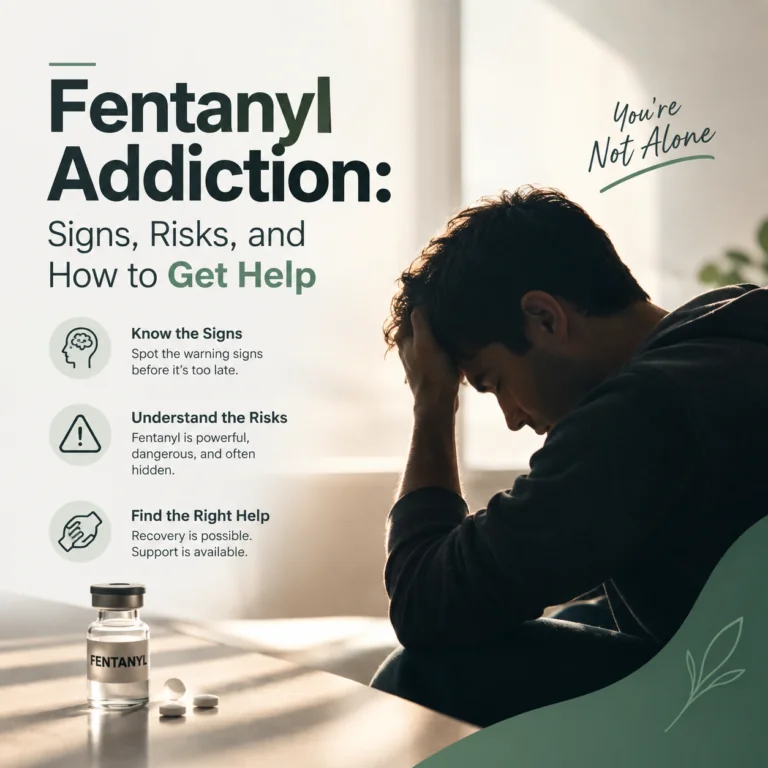

Medical detox for substance abuse is medically supervised withdrawal management, a short-term process that helps your body clear alcohol or drugs while a clinical team watches for complications and treats symptoms. If you or someone you love needs help now, the big thing to know is simple: detox is about safety, comfort, and stabilization, not a cure for addiction, and that distinction matters more than most people realize.
What medical detox for substance abuse really means
When people hear “detox,” they often picture a few miserable days of sweating, vomiting, and trying to push through. Medical detox is different. It means withdrawal happens under clinical care, with nurses, medical providers, monitoring, and medications when needed.
A medical detox plan is designed to help clear substances from the body and reduce dependence, and it may be provided in either inpatient or outpatient settings. In practice, though, people searching for immediate detox are usually trying to answer a more urgent question: “Can we do this safely?”
That is what medical detox is really for. It gives your body a safer landing while a team manages withdrawal symptoms, checks vital signs, responds to emergencies, and prepares you for what comes next. Good care does not stop at getting substances out of your system. It starts building the next phase of treatment while you are still in detox.
Why medical detox can be the safest first step
Withdrawal is not always just uncomfortable. Sometimes it is dangerous. Alcohol and benzodiazepines can trigger seizures, confusion, hallucinations, severe blood pressure changes, and a life-threatening syndrome called delirium tremens. Opioid withdrawal is usually less likely to be fatal on its own, but it can be so intense that people return to use quickly, which is where overdose risk rises.
The need is massive, and access still falls short. In 2022, 48.7 million people in the United States had a substance use disorder, yet only 24% of people who needed treatment received it. That gap helps explain why so many families wait too long, try to manage withdrawal at home, or end up in the emergency room.
The stakes are high. CDC data showed 87,000 overdose deaths from October 2023 to September 2024. That number was lower than the year before, which is encouraging, but it is still devastatingly high. Medical detox matters because it can interrupt a dangerous cycle at the moment when someone is most vulnerable.
Good news, this first step does not have to solve everything. It just has to get you safely through the door.
When withdrawal becomes a medical issue, not just a hard few days
Withdrawal becomes a medical issue when the risk goes beyond feeling awful. Alcohol withdrawal can escalate fast, sometimes within hours after the last drink. Benzodiazepine withdrawal can bring seizures, panic, tremors, insomnia, and prolonged instability, especially after long-term use. ASAM states that patients who have taken benzodiazepines for longer than one month should not stop abruptly and should taper under clinical supervision.
Other factors raise the risk, too. Severe vomiting or diarrhea can cause dehydration and electrolyte problems. Rapid heart rate, high blood pressure, chest symptoms, and confusion can signal a withdrawal emergency. Polysubstance use adds another layer because symptoms can overlap or mask one another, which is why safe care for multiple substances at once usually needs closer monitoring than people expect.
Mental health and medical history matter just as much. Depression, suicidal thoughts, pregnancy, liver disease, heart disease, diabetes, infection, or a history of complicated withdrawal can all change the safest detox plan. Here’s the thing: the more medically complex the picture, the less sense it makes to “tough it out” at home.
What happens during medical detox, step by step
Most people imagine detox as one long blur. In reality, it is a sequence. You arrive, the team evaluates what you have been using and how recently, they assess your immediate risk, and then they build a plan that changes as your symptoms change.
The goal is not to knock you out for a few days. The goal is to keep you stable enough to move forward. That usually means a mix of monitoring, medications, hydration, food, rest, and reassurance.
Families often feel nervous about what will happen in the first few hours. That is normal. The early part of detox is when the staff gathers the information they need to treat the person in front of them, not some generic case.
Assessment, monitoring, and symptom relief
The first step is assessment. Staff ask about what substances were used, how much, how often, when the last use happened, and whether there is a history of withdrawal, overdose, seizures, or delirium tremens. They check vital signs, mental status, and symptoms. Depending on the situation, they may order labs, do drug testing, evaluate hydration, and screen for urgent concerns such as pregnancy, infection, chest pain, or suicidal thinking.
This matters because detox should be individualized. NIDA explains that detox and addiction treatment should be tailored to each person’s drug use patterns and medical, mental, and social needs. In other words, two people withdrawing from the same substance may need very different care.
After intake, monitoring begins. That can include regular checks of pulse, blood pressure, breathing, temperature, sleep, pain, anxiety, tremor, sweating, nausea, and orientation. Staff adjust the plan as symptoms rise or fade. If you are looking specifically at alcohol withdrawal, it helps to know what strong medical oversight should include, because close observation is often what prevents a dangerous turn.
Medications, fluids, nutrition, and emotional support
Medications are a major part of medical detox, but not the whole thing. Some medicines directly treat withdrawal. Others target individual symptoms such as nausea, diarrhea, pain, insomnia, or blood pressure spikes. NIDA notes that medications and devices can reduce restlessness, sleeplessness, depression, anxiety, and other withdrawal symptoms, which can make stopping far more manageable.
Hydration and nutrition sound basic, but they matter a lot. Someone coming off alcohol or opioids may be dehydrated, undernourished, or unable to keep food down. Replacing fluids, supporting sleep, and getting small amounts of nutrition back in can improve how the body handles withdrawal.
Then there is emotional support, which people often underestimate. Detox can bring shame, panic, grief, anger, and exhaustion all at once. Nurses, counselors, and medical staff help anchor the person through that first unstable stretch. Honestly, being treated with calm and dignity is not a side benefit. It is part of good care.
How detox differs for alcohol, opioids, and benzodiazepines
“Medical detox” is one phrase, but the actual experience depends heavily on the substance involved. Symptoms, timelines, medications, and risk levels can look very different.
That is why one-size-fits-all promises are a red flag. A safe detox plan should match the drug, the pattern of use, and the person’s health history.
Alcohol withdrawal can turn dangerous quickly
Alcohol withdrawal often starts with anxiety, tremor, sweating, nausea, insomnia, and an elevated heart rate. In more serious cases, people develop hallucinations, seizures, or delirium tremens, which can include severe confusion, agitation, fever, and unstable vital signs. ASAM has a full clinical guideline for alcohol withdrawal management because these complications are well known and can escalate quickly.
This is why alcohol detox often involves close monitoring and medication from the start. A person may look “functional” at admission and still worsen within hours. Families miss this all the time, not because they are careless, but because severe alcohol withdrawal can be unpredictable.
Opioid detox is often miserable, and relapse risk climbs after abstinence
Opioid withdrawal usually causes muscle aches, sweating, chills, nausea, vomiting, diarrhea, anxiety, insomnia, goosebumps, and intense cravings. It is often described as feeling like the worst flu of your life, plus panic. While opioid withdrawal is usually less medically dangerous than alcohol or benzodiazepine withdrawal, it can still be serious, especially when dehydration, pregnancy, chronic illness, or fentanyl exposure are involved.
The bigger risk comes after detox. NIDA warns that relapse after detox can be dangerous or deadly because reduced tolerance makes overdose more likely. That is why opioid detox should not end with “good luck.” People need a follow-up plan, often including medication. If fentanyl or heroin is involved, medication-supported withdrawal planning can make the next step safer and more realistic.
Benzodiazepines usually need a gradual taper, not a sudden stop
Benzodiazepines, such as alprazolam, clonazepam, diazepam, or lorazepam, are different again. For many people, detox is not a quick stop. It is a taper, meaning the medication is reduced gradually under supervision.
That approach matters because abrupt benzodiazepine withdrawal can cause seizures, severe rebound anxiety, tremors, insomnia, perceptual changes, and long-lasting symptoms. ASAM is clear that people taking benzodiazepines longer than a month should not stop abruptly. If this is the issue, finding a program built for safer benzo withdrawal is usually smarter than choosing a general detox setting without taper experience.
Which medications may be used during detox
Medication in detox is not about replacing one addiction with another. It is about reducing risk, easing suffering, and supporting a more stable transition into treatment.
The exact plan depends on the substance involved, the severity of withdrawal, co-occurring conditions, and what has or has not worked before. Good programs explain why each medication is being used and what the goal is.
Common detox medications and what they help with
For alcohol withdrawal, clinicians may use benzodiazepines or other seizure-prevention approaches, depending on the case and setting. They may also use symptom-based medications for nausea, sleep, agitation, or blood pressure.
For opioid withdrawal, NIDA states that medication should be the first line of treatment for opioid addiction, with options including methadone, buprenorphine, extended-release naltrexone, and lofexidine. In detox, buprenorphine or methadone may reduce withdrawal and cravings, while other medications may target stomach symptoms, pain, or anxiety. For some people, especially those leaving heavy fentanyl or heroin use, 24-hour opioid monitoring during withdrawal can make a very real difference in safety and completion.
Comfort medications may also be part of care. These can help with diarrhea, nausea, headaches, body aches, sleep problems, or elevated blood pressure. They do not treat the substance use disorder itself, but they can make the process tolerable enough for someone to stay engaged.
Medications after detox that help people stay well
Detox medications and maintenance medications overlap sometimes, but the bigger point is this: treatment often continues after withdrawal ends. SAMHSA says FDA-approved medications combined with counseling and behavioral therapies create a whole-patient approach that can improve survival and increase treatment retention.
For opioid use disorder, the main FDA-approved medications are methadone, buprenorphine, and naltrexone. For alcohol use disorder, SAMHSA identifies acamprosate, disulfiram, and naltrexone as common options. These medicines can reduce cravings, support abstinence, or make relapse less likely. They work best as part of ongoing care, not as a stand-alone fix.
What medical detox can do, and what it cannot do
This is where many people get misled. Detox can be lifesaving, but it is not the full treatment for addiction.
Think of it like the emergency stabilization phase after an injury. It stops the immediate crisis. It does not do the physical therapy, rebuild daily habits, or remove the reasons the injury keeps happening.
What detox does well: safety, comfort, and a stable starting point
Medical detox does a few things very well. It gives you 24/7 observation when withdrawal could become dangerous. It lowers risk during the most unstable period. It helps with fluids, nutrition, sleep, symptom management, and emotional support. And it often improves the odds that someone will accept the next level of care because they are no longer in full withdrawal panic.
Detox can also create a clean handoff into residential, partial hospitalization, intensive outpatient, or medication-based treatment. That matters because people make better decisions when they are medically stabilized and not just trying to stop the shaking or the vomiting.
What detox cannot do on its own
NIDA puts this plainly: detoxification is not the same as treatment and is not sufficient for recovery on its own. Without follow-up care, detox alone usually leads to resumed substance use.
That does not mean detox failed. It means addiction behaves like other chronic conditions. NIDA reports that relapse rates for substance use disorders are about 40% to 60%, similar to chronic illnesses like hypertension and asthma. Relapse should be treated as a signal to restart or adjust care, not as proof that recovery is impossible.
Longer support works better than quick episodes of care. A meta-analysis found that planned treatment or support lasting 18 months or more was linked to a 23.9% greater chance of abstaining or using moderately compared with shorter treatment. That is why good detox programs plan the next step before discharge.
How to know if inpatient detox may be the right fit
Not everyone needs inpatient detox, but many people searching for urgent help do. If the risk of complications is high, a 24/7 setting can be the safer choice.
The right level of care is about risk, not willpower. A strong person can still have dangerous withdrawal.
Signs you may need 24/7 supervised detox
Inpatient detox may make sense if there is heavy daily alcohol use, benzodiazepine dependence, a history of seizures or delirium tremens, prior severe withdrawal, suicidal thoughts, pregnancy, unstable housing, serious medical illness, or more than one substance involved. It may also be the right fit if past attempts to detox at home ended in immediate relapse or a medical crisis.
If opioids are involved, especially fentanyl, heroin, or mixed use with benzos, closer supervision can help manage both symptom severity and overdose risk after discharge. If stimulants are part of the picture too, the withdrawal plan may need to address exhaustion, depression, agitation, and sleep disruption along with everything else.
Questions to ask a detox program before you go
A few practical questions can tell you a lot. Ask what substances the program treats. Ask whether medical staff are on site 24/7. Ask whether they offer medication for alcohol or opioid withdrawal, and how they handle benzodiazepine tapers. Ask what happens after detox, including direct pathways into residential or outpatient treatment. And yes, ask about insurance right away.
You do not need polished language to make these calls. You just need clear answers. If a program is vague about medical coverage, medications, or discharge planning, that is worth taking seriously.
Costs, insurance, and access barriers to expect
Detox can be expensive, and the price range is wide enough to confuse almost anyone. Some programs quote a daily rate. Others bundle medical and facility costs. Some accept insurance and some do not. The result is that two people can receive “detox” and face very different bills.
Access is not equal either. Rural areas often have fewer beds, fewer prescribers, and longer travel times. Public systems may be more affordable but harder to access quickly. Private programs may have faster intake but higher out-of-pocket costs.
What detox may cost, and why prices vary so much
Published cost estimates vary because they are measuring different things. On the lower end, the cheapest medical detox programs are listed at about $1,750 for a minimum 7-day stay. The same source notes that daily detox pricing can range widely depending on setting and services.
At the other end, some census-based estimates are dramatically higher. One dataset reported that detoxification had the highest per-person treatment cost at $121,381 in 2016, which likely reflects broader episode or system-level costs rather than the simple cash-pay price a family might be quoted on the phone. That gap is frustrating, but it tells you something useful: cost depends heavily on medical complexity, length of stay, medications, and whether care is inpatient or outpatient.
Insurance, facility type, and location all shape the final number. Programs with more medical staffing, hospital-level resources, or longer stays generally cost more. Good news, many people pay far less than the top-line estimates once insurance is applied.
How to start looking for covered or lower-cost care
Start with your insurance card if you have one. Call the behavioral health number and ask for in-network detox, residential treatment, and outpatient follow-up options. Ask if prior authorization is required and what the estimated out-of-pocket cost may be.
If coverage is limited, look for state and county treatment resources, hospital social work referrals, and public treatment systems. SAMHSA has historically supported a 24/7 national helpline, treatment locator, and grant-funded addiction services, all of which can help people find detox and continuing care. Access can still be uneven, and funding changes do affect availability, especially in under-resourced communities, so it is worth checking more than one route.
What should happen right after detox
The safest detox plan is the one that does not end at detox. Discharge should feel less like “you’re done” and more like a handoff.
That handoff matters because the period right after withdrawal is when cravings, low tolerance, emotional instability, and dropout risk can collide.
The handoff that matters most: treatment, medication, and follow-up support
The next step may be residential treatment, partial hospitalization, intensive outpatient care, therapy, peer support, or medication management. Often it is a combination. NIDA recommends pairing recovery care with behavioral therapies such as cognitive-behavioral therapy, family therapy, contingency management, and motivational approaches, because these help people manage triggers and stay in care longer.
Longer follow-up improves outcomes. The research is pretty clear here: planned support lasting at least 18 months improves the odds of better substance use outcomes. That does not mean 18 months of inpatient treatment. It means recovery usually needs a continuing-care plan, with medication, counseling, monitoring, and re-engagement if symptoms return.
If you need help today
If there is a real risk of severe withdrawal, do not try to detox alone. Seek urgent medical care right away for seizures, hallucinations, chest pain, trouble breathing, fainting, severe confusion, or suicidal thoughts. If symptoms are rapidly worsening or feel life-threatening, call 911 or go to the nearest emergency room.
And if you are at the point of searching for medical detox for substance abuse, that already tells you something important: the next step matters now. Safe withdrawal management can protect the body, calm the chaos, and open the door to real treatment. Recovery does not start when everything is fixed. It starts when proper care begins.